ID Scanning Laws for Bars Every Operator Should Know
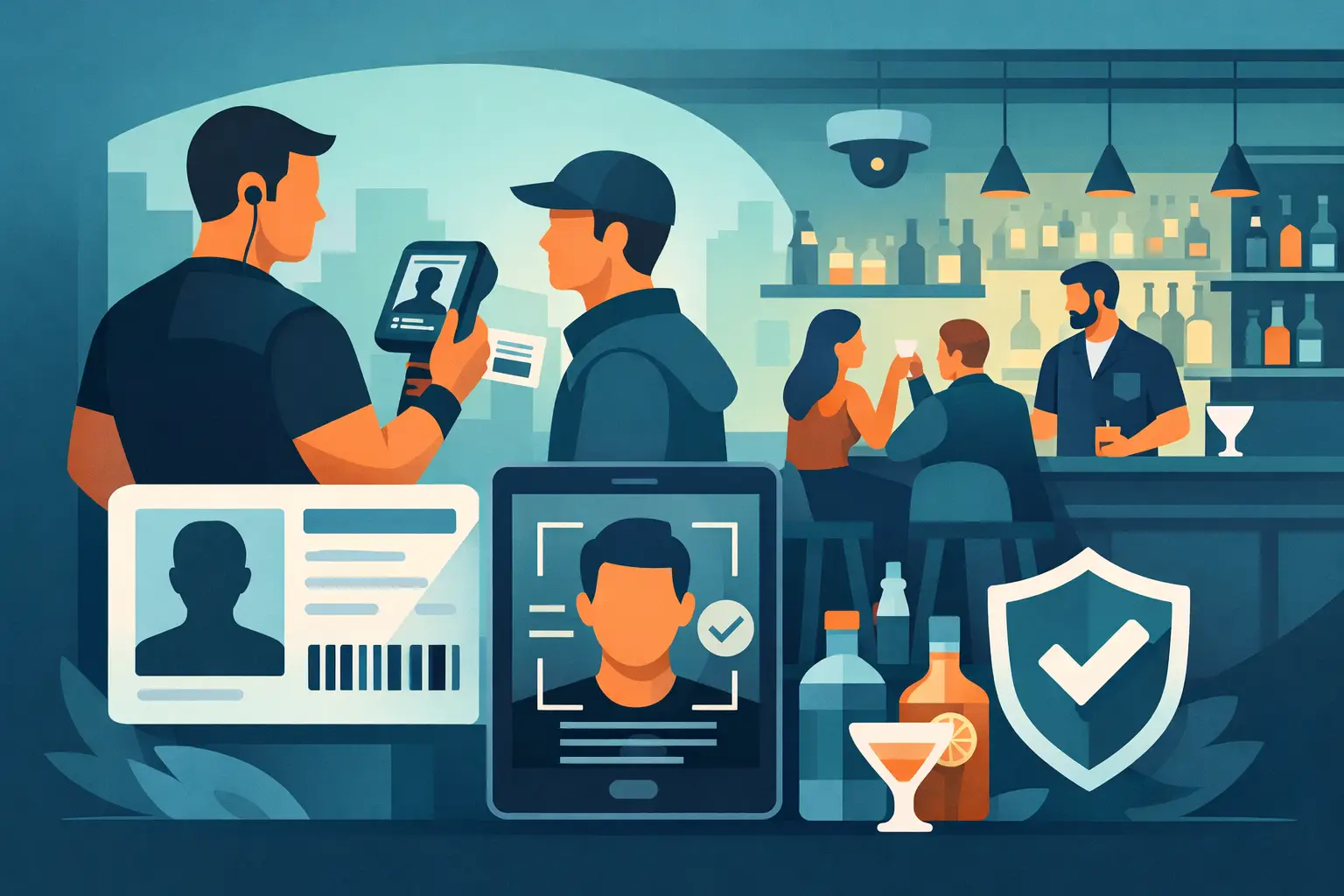
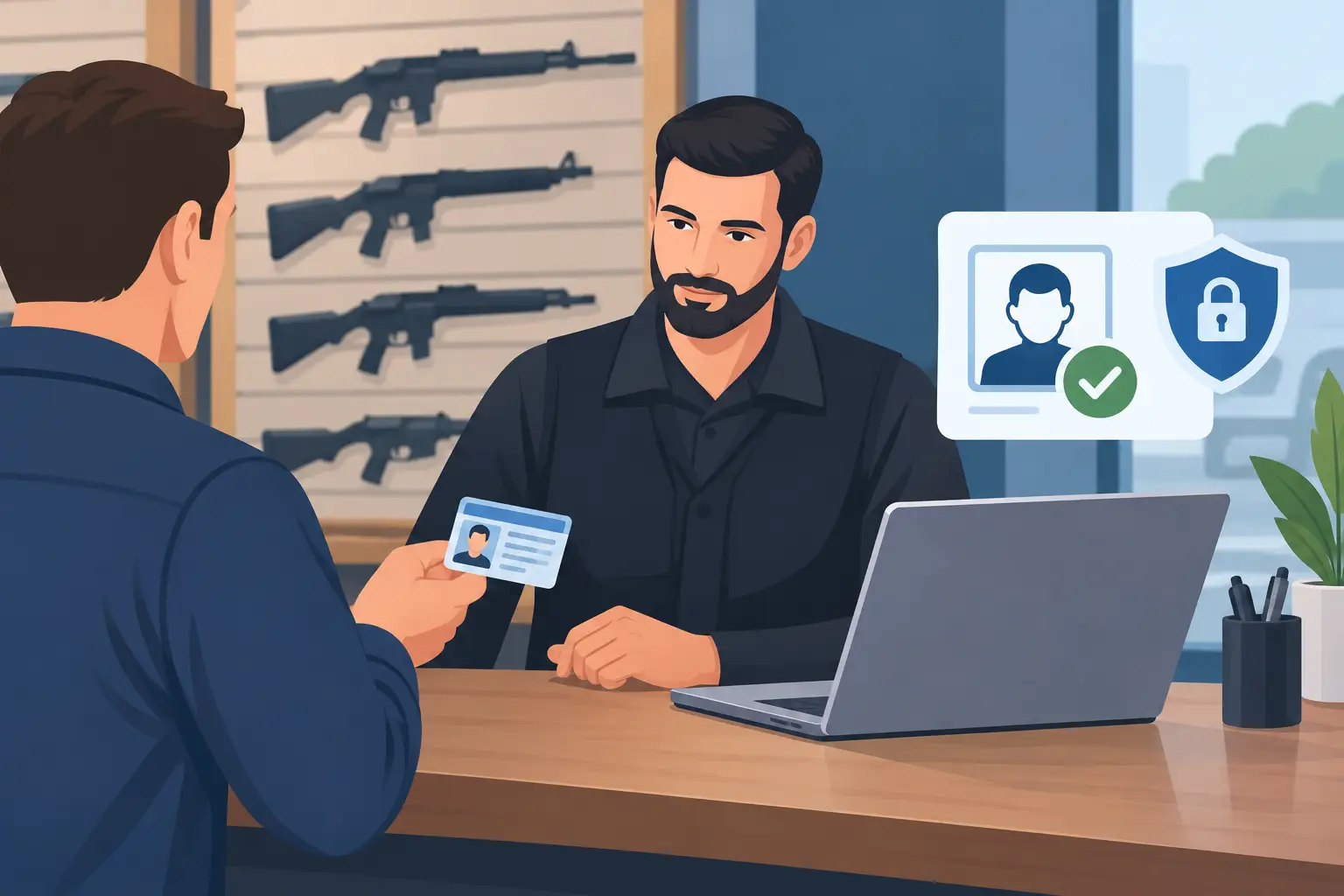
A packed doorway is the worst place to discover that your ID process is vague. ID scanning laws for bars are not one national rulebook: alcohol regulations, privacy laws, data-security duties, and local enforcement priorities can all affect what your team may scan, save, and use.
For operators, the practical question is not simply whether a scanner is legal. It is whether the full workflow can stand up to scrutiny after an underage-service incident, a complaint about personal data, or a breach. The right process protects the license, the door team, and legitimate guests without turning every scan into an unnecessary data-collection event.
ID scanning laws for bars start with state rules
Most bars are regulated at the state level through an alcohol beverage control agency, liquor commission, or similar authority. Those rules determine the minimum age-verification standard, acceptable forms of ID, and the circumstances in which a venue can use an ID record as evidence that it checked a guest's age.
Some states offer an affirmative defense or safe-harbor concept when a business checks a government-issued ID in good faith. The exact standard matters. A visual inspection, an electronic scan, a signed statement, or a retained record may carry different weight depending on the jurisdiction. A scanner can document that an ID was presented and read, but it does not automatically create a legal defense.
State and local requirements can also differ by license type. A nightclub with a late-night liquor license may face different scrutiny than a restaurant bar. Municipal rules, event permits, and conditions attached to a specific license can add another layer. Before deploying scanners, operators should confirm requirements with qualified local alcohol counsel or the relevant regulator, rather than relying on a neighboring state's practice.
Scanning an ID is different from storing its data
A barcode or magnetic stripe can contain more than a bartender needs to verify age. Depending on the credential, it may include the guest's full name, date of birth, address, license number, physical descriptors, and other information. That distinction drives the privacy analysis.
In many jurisdictions, scanning a driver's license for age verification is generally allowed. The legal risk rises when the venue retains data without a clear business purpose, uses it for unrelated marketing, shares it broadly, or keeps it longer than necessary. Certain states specifically regulate the collection, disclosure, or sale of information obtained from a driver's license. State consumer privacy laws may also apply based on the business's location, size, revenue, or volume of personal information handled.
A sound policy answers four questions before the first device reaches the door: What data is collected? Why is it needed? Who can access it? When is it deleted? If the honest answer to the first question is "everything on the ID," the process probably needs tightening.
Verification-only mode is often the cleanest fit for routine entry. It confirms age and evaluates the credential without creating a long-term patron record. When retention is justified, such as documenting a refusal, a banned-patron alert, or an incident report, store only the information needed for that purpose and apply a defined deletion schedule.
Build a defensible data-retention policy
There is no universally correct retention period. A venue that operates in a jurisdiction where scan records support an alcohol-law defense may have a legitimate reason to retain a limited record for a defined period. A venue using scans only to confirm age at the door may have little reason to store visitor data at all.
The policy should be written, applied consistently, and matched to the scanner's actual settings. It should identify whether the venue stores a scan event, a name and date of birth, an ID image, a barcode record, or no personally identifiable information after verification. These are not interchangeable choices.
Avoid treating patron data as a general-purpose asset. A guest who presents ID to enter a bar is not necessarily agreeing to promotional texts, customer profiling, or indefinite database retention. If the business wants to use data beyond access control, it needs a separate, legally reviewed approach and clear notice where required.
Security obligations do not end at the door
Once an operator stores identifiable scan data, it becomes responsible for protecting it. A lost tablet, shared staff password, exported spreadsheet, or unsecured cloud account can turn a routine compliance tool into a reportable incident.
Use role-based access so door staff can scan IDs without seeing more patron history than their role requires. Require unique logins for managers, remove access promptly when employees leave, and prohibit teams from taking photos of IDs on personal devices. Encryption in transit and at rest, including AES-256 encryption where applicable, helps protect stored records, but it is only one part of the control set.
The venue also needs an incident-response plan. Know who will investigate a suspected data exposure, preserve relevant logs, contact counsel or insurers, and determine whether state breach-notification requirements apply. A scanner vendor's security controls matter, but the operator still owns decisions about staff access, retention, and how exported data is handled.
Fake-ID detection supports compliance, not legal shortcuts
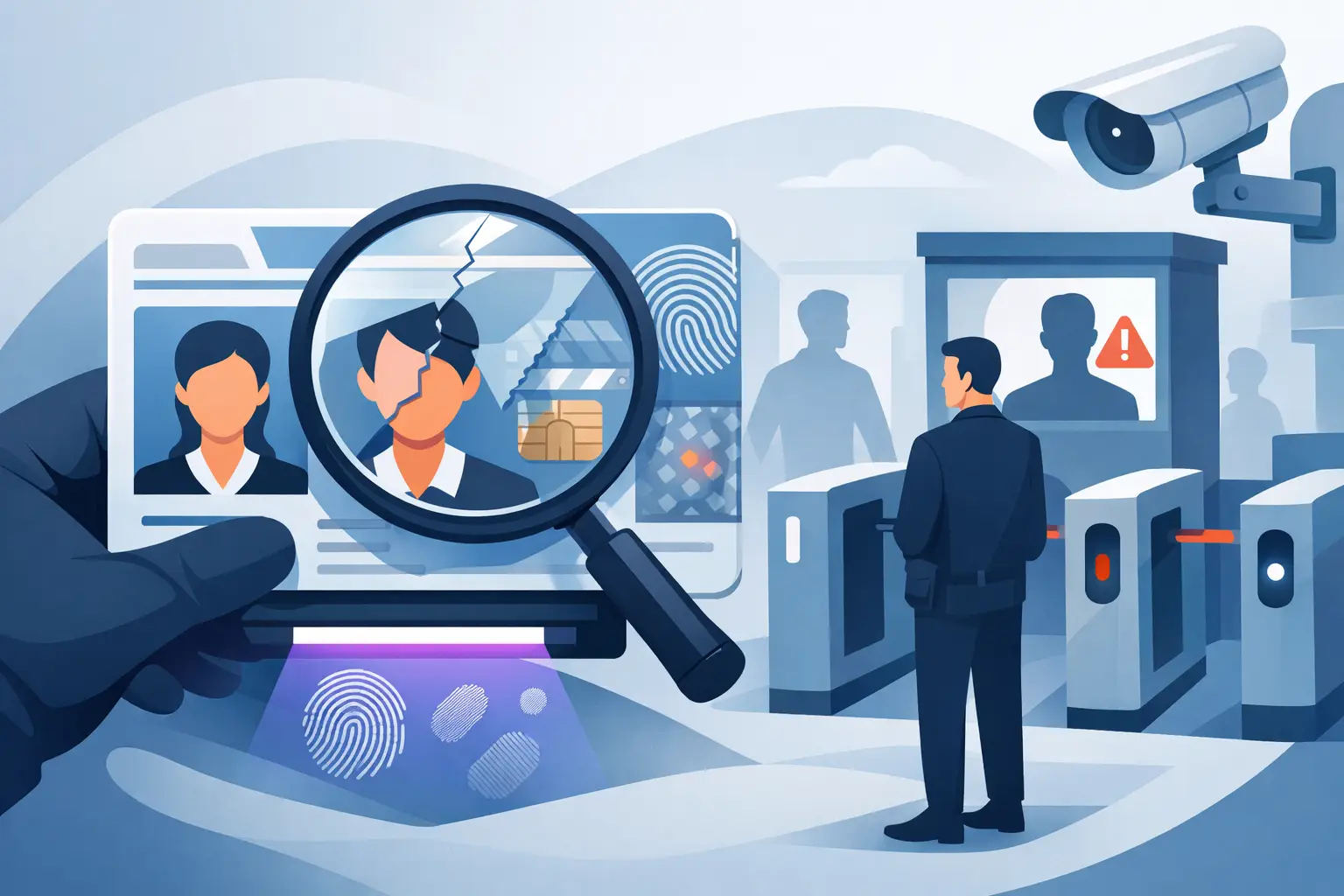
Scanning helps staff move beyond a quick glance at a birth date. A purpose-built system can read the encoded data, calculate age instantly, and assess security indicators that may point to a suspicious or altered credential. That is valuable in a busy line, especially when sophisticated counterfeit IDs look convincing under low light.
But a scan result should support trained judgment, not replace it. A valid barcode does not prove that the person presenting the ID is its rightful owner. Staff should still compare the photo to the guest, look for physical damage or tampering, and follow a clear escalation process when the system flags a problem.
Train staff on what happens after a failed or suspicious scan. They should know when to request a second form of ID, when to call a manager, how to refuse entry without escalating conflict, and how to record an incident. Consistency is operational protection. A policy that exists only in a manager's head will not help a new door employee at midnight.
Operational design matters as much as the law
The best compliance process is one staff can execute during peak volume. If scanning takes too long, employees will bypass it. If connectivity fails and the scanner stops working, the venue may revert to inconsistent visual checks when it needs control most.
Choose hardware that supports offline age verification and suspicious-ID detection, then decide whether cloud synchronization adds value for your operation. A single independent bar may need a reliable standalone workflow with no mandatory subscription. A multi-location group may need shared banned-patron alerts, VIP recognition, centralized permissions, and synchronized settings across doors and sites.
Kred scanners are built around that operational split: core verification can continue offline, while cloud services can support coordinated patron management where it makes business sense. Regardless of provider, test the system in the actual entry environment, including poor lighting, rush periods, battery management, and temporary internet outages.
Put notice, policy, and training in the same place
A short, visible notice at entry can reduce surprise and help demonstrate transparency. The wording should accurately state that IDs may be scanned for age verification and venue safety, not promise practices the venue does not follow. Have counsel review notices where state law requires a specific disclosure or where the venue collects more than a simple verification result.
Your written policy should align with the notice, device configuration, employee training, and vendor agreement. If the policy says records are deleted after 30 days, confirm that automated deletion is enabled and that managers cannot maintain unofficial copies elsewhere. Review the process periodically, especially after a licensing issue, data incident, new state privacy law, or expansion into another market.
A well-run ID program is not about collecting the most data. It is about verifying the right person, stopping suspicious credentials, preserving only what the business can justify, and giving staff a process they can follow when the line is long. That is the standard that protects a bar long after the door closes.