Bouncer Tools for Nightclubs That Protect Entry
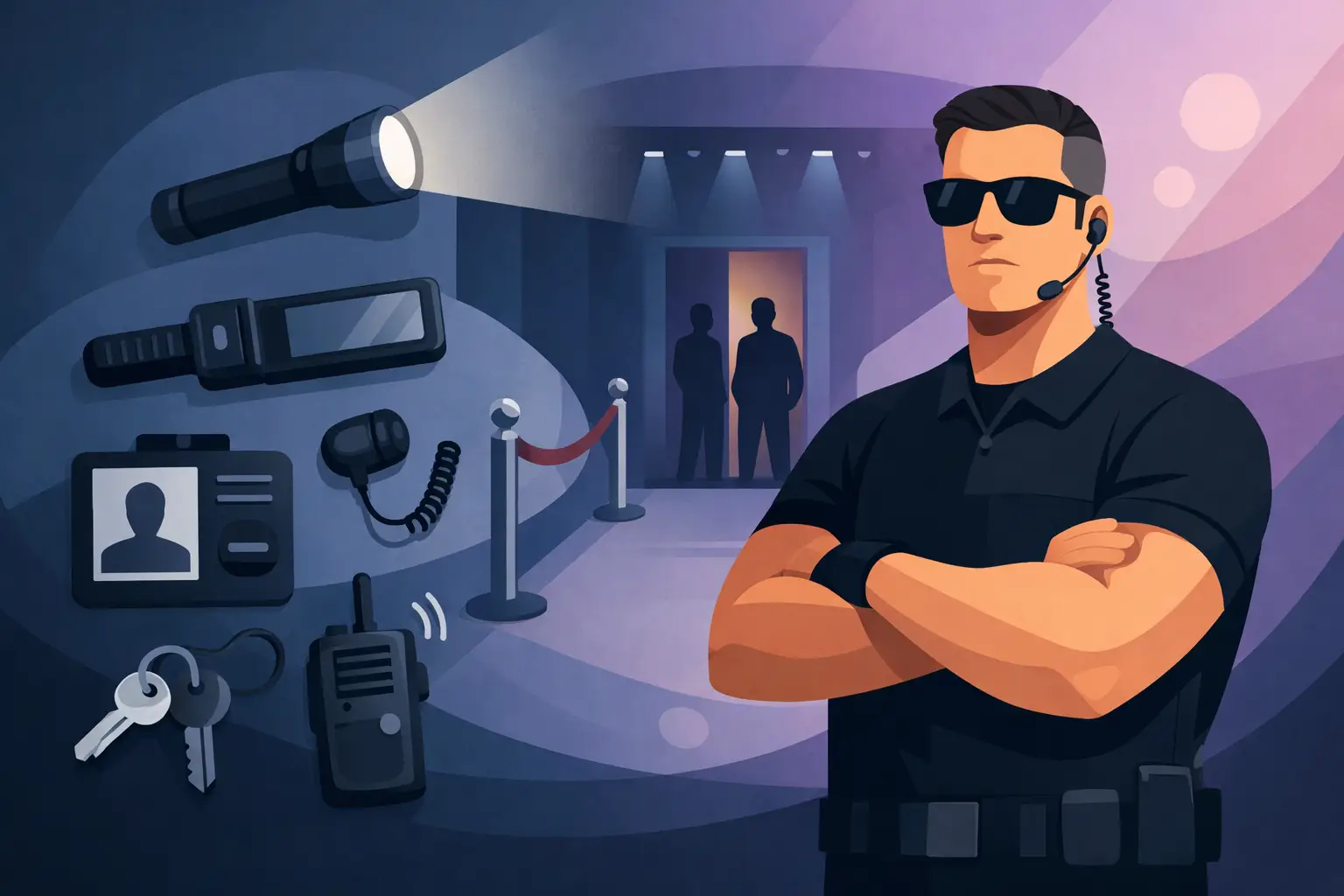
The door is where a nightclub protects its license, staff, guests, and revenue. The right bouncer tools for nightclubs give door staff fast answers under pressure: Is this guest old enough? Is this ID suspicious? Has this person caused a problem before? Can the line keep moving if the internet drops?
A flashlight and a trained eye still have a place at the door. They are not enough on their own when fake IDs are more convincing, peak-hour lines are longer, and one bad entry decision can create a costly incident. Effective door operations combine trained people with purpose-built tools that make consistent screening possible.
What a nightclub door team needs to control
Nightclub security is not just crowd control. Door staff are making rapid access decisions while managing guest expectations, checking IDs, communicating with managers, and watching for signs that a routine interaction may turn into a safety issue.
The core job is to verify age and identity without creating a bottleneck. A useful tool should provide an instant age verification result, flag expired or suspicious credentials, and help staff apply the same entry standard to every guest. It should also work in low light, withstand repeated use, and require minimal training before a busy shift.
For many venues, patron management is the next requirement. A bouncer may recognize a repeat VIP or a previously banned patron, but memory is inconsistent across staff, shifts, and locations. A system that can alert the team to defined patron records gives managers a more reliable way to enforce their policies.
The essential bouncer tools for nightclubs
ID scanners built for high-volume entry
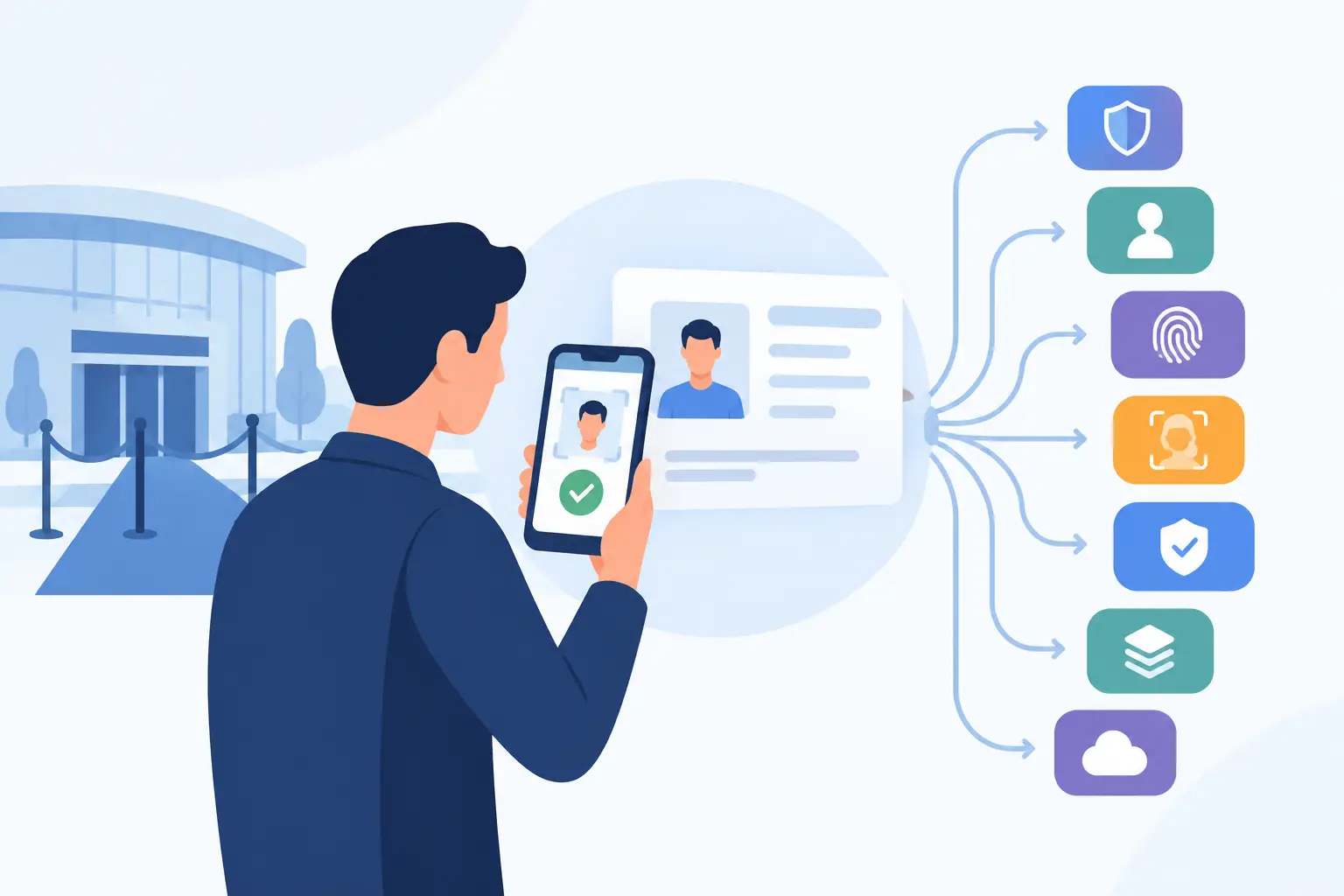
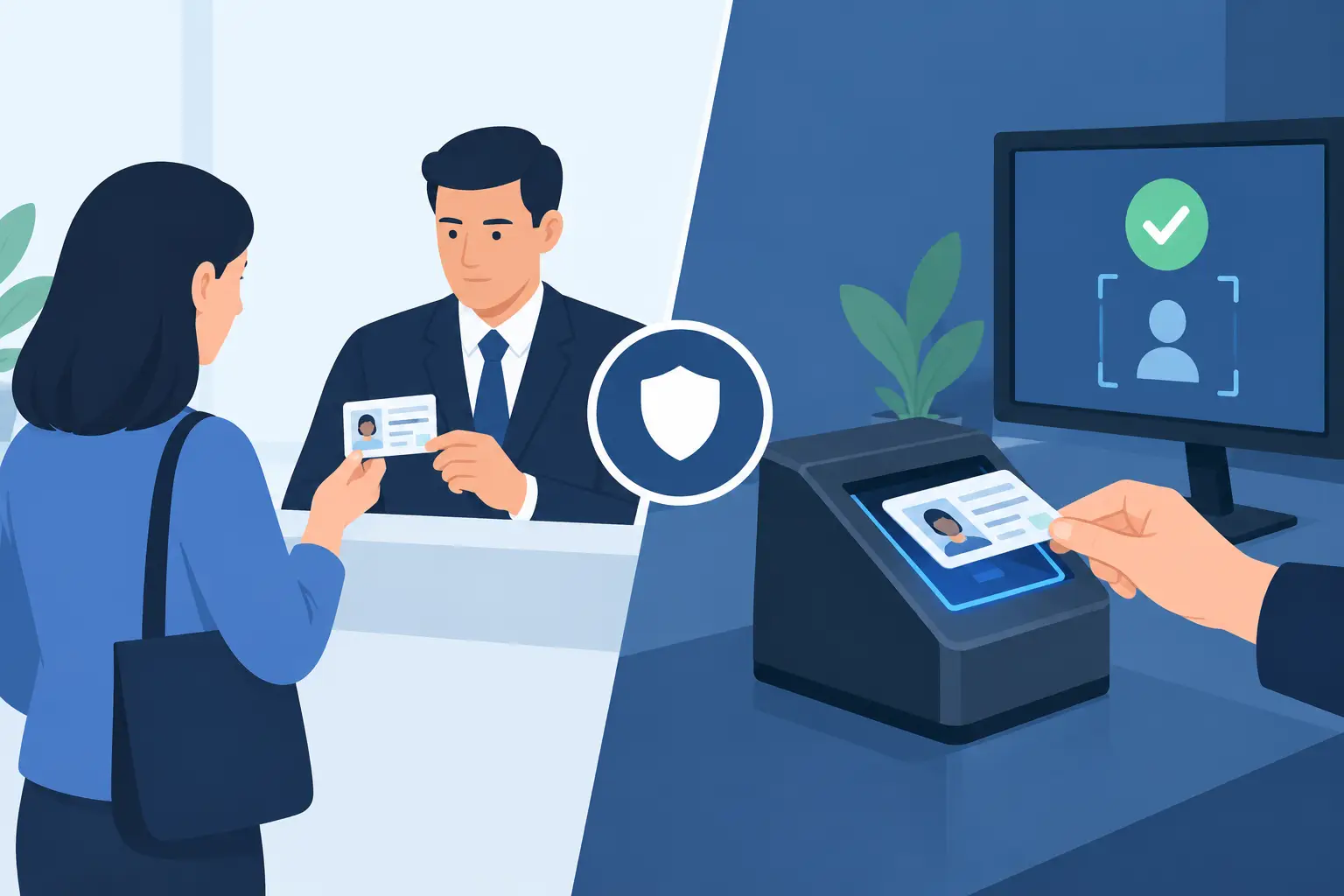
An ID scanner is the operational center of a modern door program. It reads the barcode or machine-readable zone on a driver's license or passport, calculates age instantly, and captures the information needed for the configured workflow.
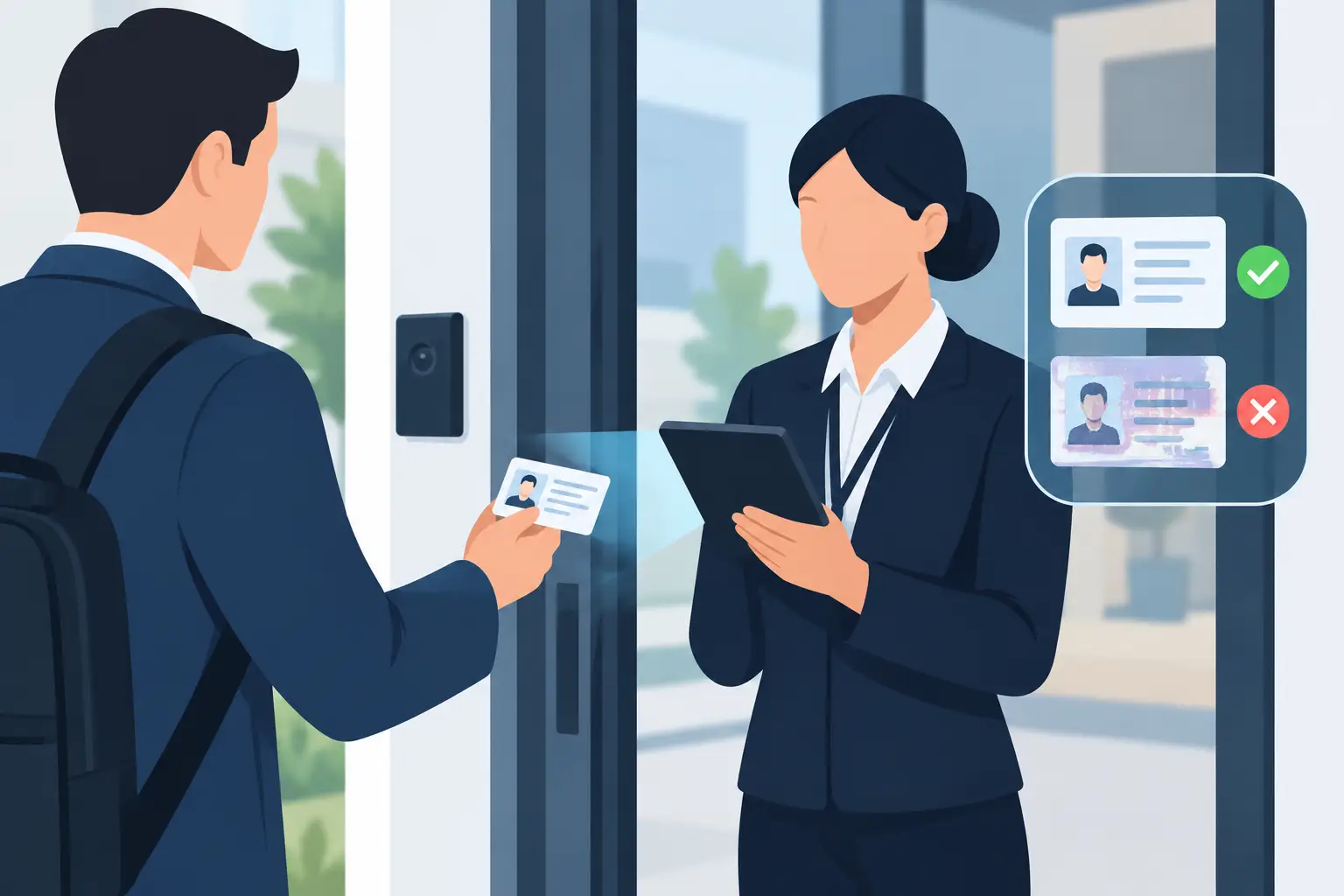
The distinction between simple barcode reading and meaningful ID analysis matters. A barcode can be copied or manipulated. Better scanners analyze multiple physical and digital security indicators to identify suspicious IDs, giving staff a reason to pause, inspect further, or deny entry according to venue policy.
Speed is equally important. If a device takes too long to scan, needs repeated retries, or forces staff through too many screens, the team will stop using it at the busiest moment of the night. Look for portable hardware that delivers a clear pass, underage, expired, or suspicious result in seconds.
UV lighting and visual inspection aids
UV flashlights remain useful because some ID security features are only visible under ultraviolet light. They can help trained staff inspect holograms, fluorescent elements, and other document features when a scan produces a warning or when an ID cannot be scanned.
They are a secondary tool, not a complete verification process. A UV light does not calculate age, identify every altered barcode, or give the team a searchable patron record. It works best as part of an escalation process: scan first, inspect questionable documents, and involve a manager when the result remains unclear.
Communication tools that do not slow the door
Reliable radios or discreet earpieces help the entry team coordinate with floor security, bar managers, and hosts. The objective is not constant chatter. It is clear, controlled communication when staff need a second set of eyes, want to confirm a banned-patron alert, or need support before an interaction escalates.
Set simple communication rules before doors open. Staff should know who makes final admission decisions, how to request assistance, and what information should never be broadcast over an open channel. A calm, coordinated response is safer for staff and less disruptive for guests.
Patron management and alert tools
A banned-patron process only works when it is specific, documented, and accessible to the people working the door. A name written on a clipboard or passed along during a shift change is easy to miss. Digital alerts tied to an ID scan can notify staff when a person matches a banned or watch record.
The same capability can support VIP recognition. Used properly, it helps teams greet approved guests efficiently while applying the same age-verification standard at entry. The goal is better operational awareness, not arbitrary screening.
Managers should define who can add or remove a patron record, what documentation is required, and how long records remain active. Access controls and retention periods matter because venue teams should only retain information that serves a legitimate operational or compliance purpose.
Offline operation is a door-security requirement
A nightclub cannot pause entry because Wi-Fi is weak, a router fails, or cellular service is overloaded. Connectivity problems are common in dense entertainment districts, underground venues, and packed rooms where hundreds of phones are competing for signal.
Choose ID verification hardware that performs core age checks and suspicious ID detection offline. Cloud services can add value for multi-device synchronization, reporting, or sharing approved patron intelligence across locations. But the ability to verify an ID at the door should not depend on a live connection.
This is also a cost decision. Some systems require an ongoing software subscription for basic scanning. Others allow venues to purchase the hardware and operate core verification functions without a mandatory subscription, then add cloud synchronization only when it fits the operation. Independent clubs may prefer a standalone setup, while groups with several venues may benefit from synchronized records.
Build a screening workflow staff will follow
The best equipment cannot compensate for an unclear door policy. Staff need a repeatable sequence that is fast enough for peak entry and firm enough to protect the venue.
Start with a standard scan for every guest who presents ID. If the scanner shows an underage, expired, or suspicious result, staff should move the guest aside rather than debate the result in the main line. A supervisor can conduct visual inspection with the appropriate tools and make the final call. This protects the flow of legitimate guests and reduces the audience for a potentially tense interaction.
Train staff on what the device result means. A suspicious-ID alert is a prompt for further review, not a reason to make an accusation. Door personnel should use neutral language, follow the venue's policy for declined IDs, and avoid handling disputes in a way that creates unnecessary risk.
Document incidents consistently. If a guest is denied due to an altered document, aggression, or a prior safety issue, managers should record the facts, date, and supporting details according to their retention policy. Clear documentation protects decision-making later and prevents vague, informal lists from becoming the standard.
Privacy and data controls belong in the buying decision
ID scanning creates an obligation to handle patron information carefully. Venues should not collect more data than they need, and they should know exactly where information is stored, who can access it, and when it is deleted.
For straightforward age checks, verification-only mode can confirm eligibility without retaining unnecessary personal information. When a business needs patron records for safety, banned-patron management, or compliance, configurable retention periods allow it to limit storage to a defined business need.
Security controls should be concrete. Ask whether stored data is encrypted, whether user access is restricted by role, and whether the system can operate locally when cloud services are not required. Platforms such as Kred pair portable scanning hardware with offline-first verification, suspicious ID detection, and optional cloud synchronization so operators can select the level of data sharing that matches their operation.
How to choose the right setup
Start with the volume and complexity of your door. A small bar with one entrance may need a portable scanner, a written escalation policy, and basic staff training. A high-volume nightclub may need multiple scanners, coordinated radio coverage, a defined supervisor station, and synchronized banned-patron alerts across entry points.
Then test the real-world conditions. Can staff scan in dim lighting? Does the device stay operational without internet access? Can a new hire understand the result immediately? Is the scanner built for repeated handling during a long shift? A feature list matters less than dependable performance at 11:30 p.m. on a sold-out night.
Finally, evaluate the commercial model. Upfront hardware cost, optional cloud cost, replacement policies, training time, and data-management requirements should all be clear before purchase. The right door tools reduce friction without shifting hidden recurring costs or privacy risk onto the venue.
A well-run door does not feel confrontational. It feels controlled: staff have the information they need, legitimate guests move through quickly, and risky entry decisions are stopped before they become a problem inside the club.