Dealership Fraud Reduction Starts at the Counter
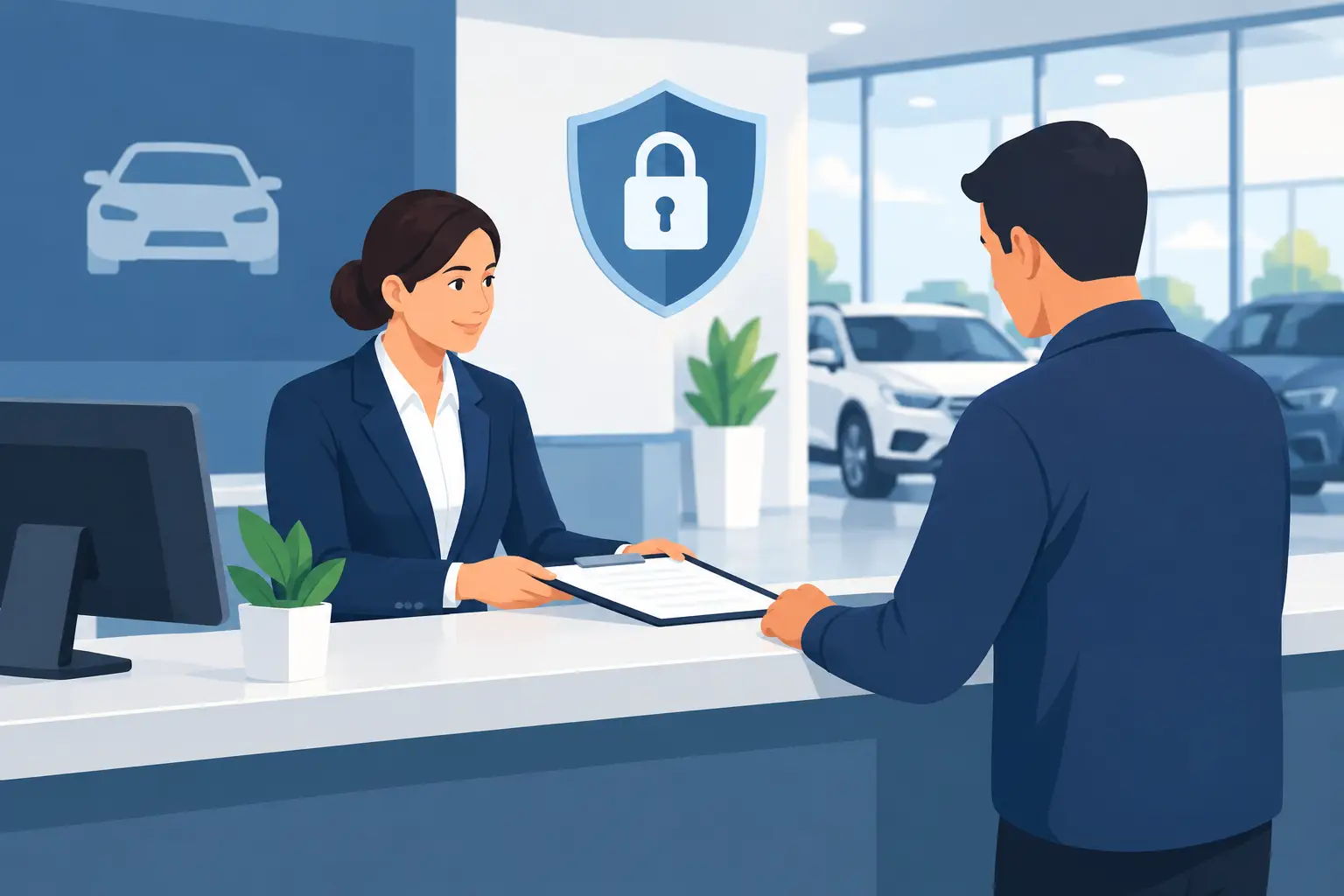
A forged driver's license can do more than put the wrong person behind the wheel. At a dealership, it can support a fraudulent test drive, false financing application, stolen-vehicle scheme, title-related fraud, or impersonation attempt that reaches far beyond the showroom. Effective dealership fraud reduction starts at the counter, where staff need to confirm identity quickly, consistently, and without slowing legitimate customers.
The challenge is operational. Sales teams are built to move conversations forward. F&I teams are focused on accurate documentation and completed deals. Service departments handle a steady flow of walk-ins, loaner requests, and pickups. A fraud-control process that is too slow, too complicated, or dependent on one experienced employee will be skipped when the store gets busy.
A practical program combines fast ID verification, defined handoffs, controlled access to keys and vehicles, and clear data practices. The objective is not to treat every customer as a suspect. It is to make deception harder to execute and easier to identify before it becomes a loss.
Why Dealership Fraud Reduction Requires Better ID Controls
Many dealership fraud attempts begin with a believable identity document. A fake or altered license may be used to take a test drive, support a credit application, collect a vehicle, access a loaner, or establish a customer record that later becomes difficult to unwind.
Visual inspection alone is not a dependable control. Staff may recognize obvious damage, mismatched fonts, or an incorrect photo, but sophisticated counterfeit IDs are designed to pass a quick glance. During peak traffic, employees also face pressure to keep the customer experience moving. That combination creates an opening for fraud.
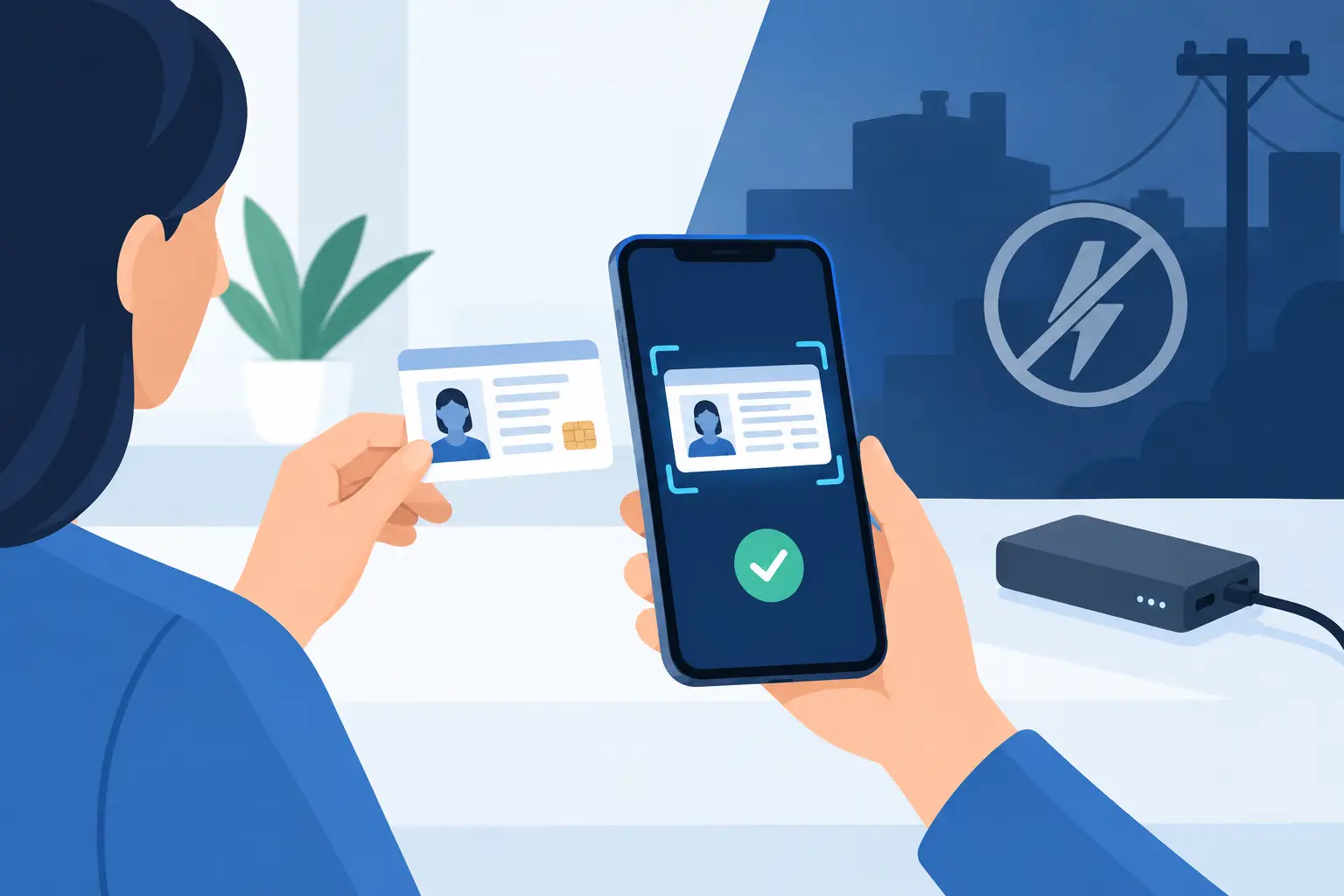
ID scanning adds a repeatable first line of defense. A purpose-built scanner can read the barcode or machine-readable data on a driver's license or passport, confirm age and document fields, and analyze multiple security indicators for signs of a suspicious or fake ID. It gives the employee an objective reason to pause when the document does not scan correctly or the data does not align with the person presenting it.
Scanning is not a guarantee that a transaction is legitimate. A genuine ID can still be used by an impostor, and a clean scan does not replace underwriting, document review, or management judgment. It does, however, close a common gap: accepting an identity document without any consistent verification process.
Start With the Highest-Risk Moments
Dealerships do not need to scan every person who walks through the showroom. The strongest policy focuses on moments when verified identity is tied to money, keys, vehicles, or legally significant paperwork.
For most stores, those moments include test-drive authorization, vehicle delivery, loaner or rental checkout, financing paperwork, remote-sale pickup, trade-in processing, and title or registration corrections. The exact workflow depends on the dealership's size, lender requirements, sales model, and local regulations.
Test drives and key release
A test drive is one of the simplest places for a weak identity process to create an immediate loss. Before keys leave the controlled area, the dealership should verify the driver's identity, confirm that the license is valid for the vehicle being driven, and record who approved the release.
The staff member does not need to turn the process into an interrogation. A clear policy can be as simple as: scan the license, compare the photo to the driver, confirm the test-drive form, then release keys through the designated process. If the scanner identifies suspicious data or the person does not reasonably match the ID photo, escalate to a manager before the vehicle moves.
This also protects employees. A documented verification step gives the salesperson or concierge a consistent rule to follow instead of forcing them to make a subjective decision alone.
Financing and remote transactions
Fraud risk rises when transactions involve digital applications, third-party communications, rushed deliveries, or a customer who cannot appear in person until the final step. Common warning signs include frequent changes to contact information, an unusual urgency to complete delivery, mismatched addresses across documents, or a customer who resists standard verification.
In these cases, scanned ID information should be treated as one checkpoint within a larger review. Compare the document data against the application, insurance details, payment source, and any lender-required identity checks. A mismatch does not always mean fraud. Customers move, use different mailing addresses, or make simple data-entry errors. It does mean the discrepancy should be resolved before the dealership releases a vehicle or finalizes documents.
Service, loaners, and vehicle pickup
Service lanes can be overlooked because the transaction feels routine. Yet loaner vehicles, customer vehicle pickup, and parts collection all create opportunities for impersonation. The person arriving to pick up a high-value vehicle should be verified against the repair order and approved contacts, particularly when payment, ownership, or pickup instructions have changed.
A fast scan can support this process without turning the service drive into a bottleneck. The goal is to establish a reliable identity record at the point of release, not to collect more personal information than the transaction requires.
Build a Process Staff Can Follow Under Pressure
Technology only works when the workflow is clear. A scanner placed in a drawer with no policy behind it will not reduce fraud. Dealership leaders should define who scans, when they scan, what causes an escalation, and who has authority to approve an exception.
Keep the escalation path short. If an ID fails, appears suspicious, or does not match the customer, staff should know whether to call a sales manager, F&I manager, security lead, or general manager. Delays create frustration, but uncertainty creates bigger problems. A simple internal script helps: “We need to complete our standard identity check before we can release the vehicle.”
Training should focus on behavior, not just device operation. Employees need to understand why an unverified license matters, why a customer should not handle keys before approval, and why an exception must be documented. They should also know how to remain professional when a legitimate customer is inconvenienced by a verification issue.
Review the process after real incidents and near misses. If a salesperson bypassed the scan because the desk was busy, the answer may be a better scanner location, clearer ownership, or faster access to a manager. Fraud reduction improves when leadership fixes the operational cause instead of blaming the individual employee.
Use Offline-Ready Verification and Controlled Data Practices
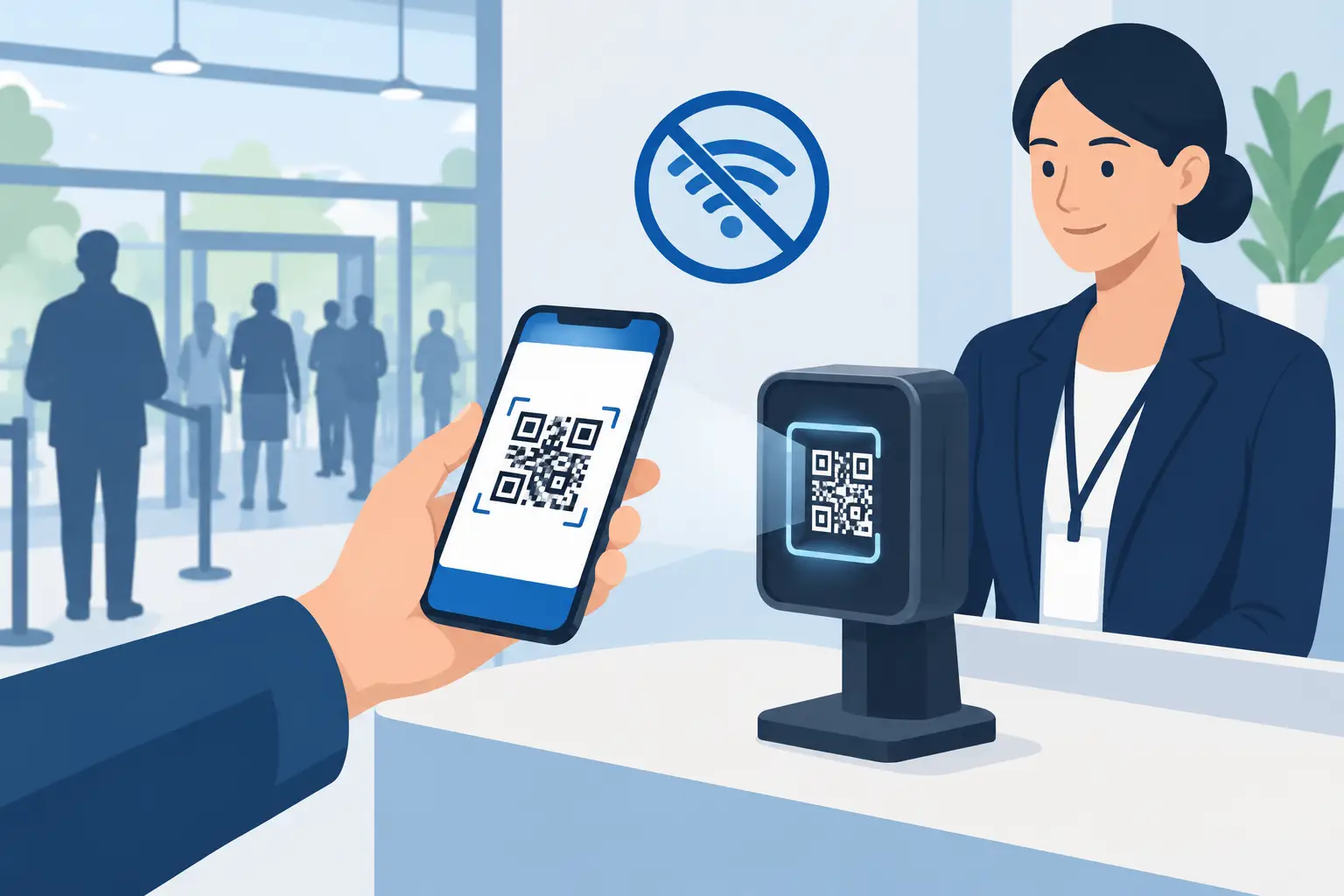
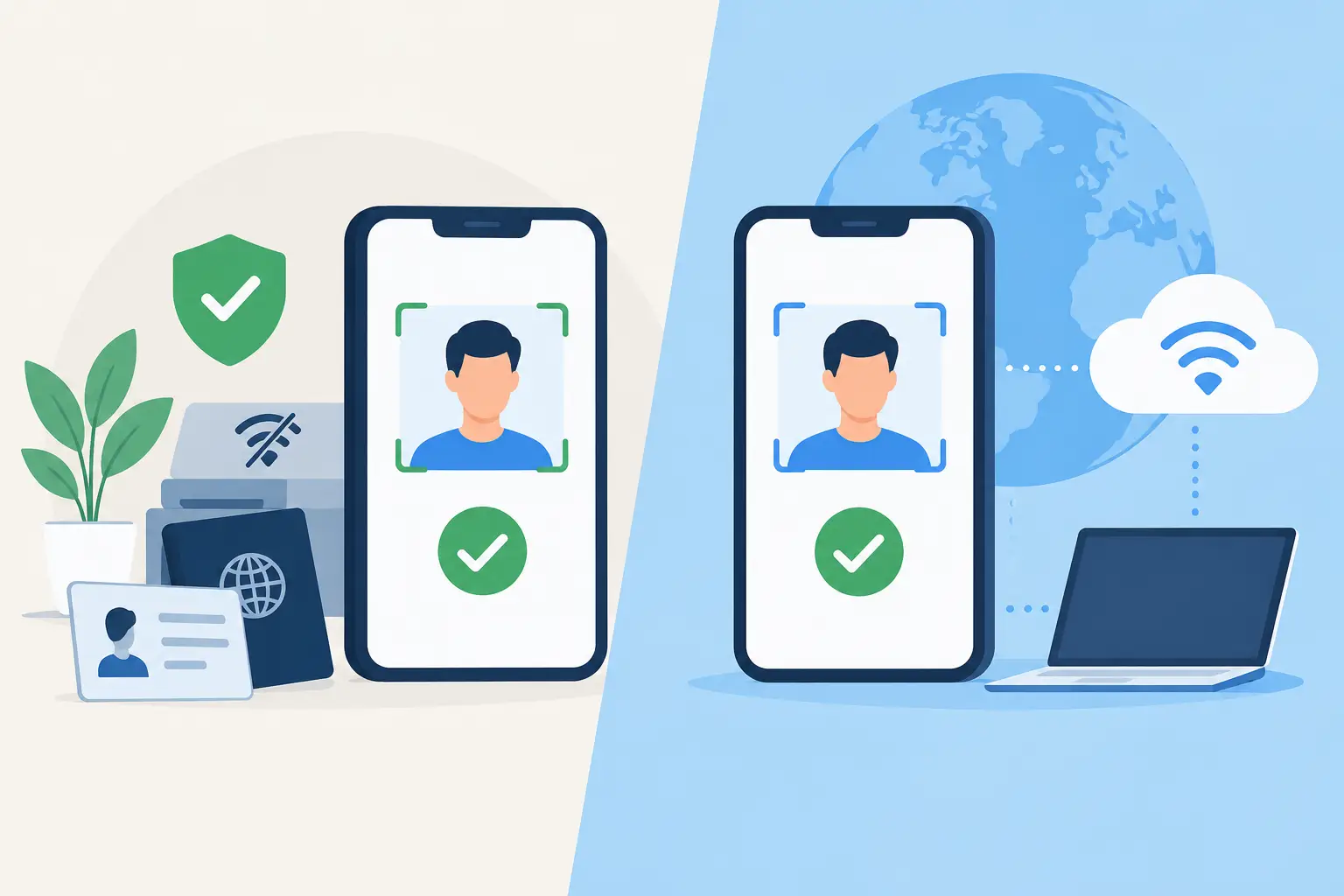
Connectivity should not determine whether a dealership can verify an ID. Wi-Fi outages, weak coverage in a service lane, and network issues happen. An offline-first scanning device keeps core verification available when internet access is interrupted, so the dealership does not have to choose between releasing a vehicle without a check and stopping operations entirely.
For multi-location groups, optional cloud synchronization can add value by keeping authorized devices aligned and helping teams identify known problem patrons across sites. But cloud access should be a business choice, not a requirement for basic scanning. A standalone store may only need a portable scanner and a disciplined workflow. A larger dealer group may benefit from shared alerts, centralized settings, and synchronized records.
Privacy should be designed into the process from the beginning. Dealerships handle sensitive customer information, and collecting data without a defined purpose increases exposure. Use verification-only modes when a record is not necessary, set retention periods that align with your legal and operational needs, and limit staff access to the information required for their role.
Encryption matters as well. If identity data is stored, it should be protected in transit and at rest with strong controls such as AES-256 encryption. Just as important, managers should know what the system retains, how long it retains it, and how records can be deleted under policy. More data is not automatically better security.
Measure What the Process Prevents
A fraud program should be measured by more than confirmed losses. Track suspicious-ID alerts, failed scans, manager escalations, denied test drives, identity mismatches, and policy exceptions. These numbers reveal where risk is appearing and whether staff are consistently using the process.
Avoid setting a target that pressures employees to decline customers. A high number of alerts may reflect better detection, a training issue, or document-quality problems rather than widespread fraud. Review the context. The useful question is whether the dealership is finding and resolving identity issues before keys, vehicles, money, or sensitive documents change hands.
Kred scanners support instant age and ID verification, suspicious ID detection, and portable operation without requiring a subscription for core scanning. For dealerships, that can make identity screening easier to deploy at the sales desk, service drive, delivery area, or wherever access decisions are made.
The best control is the one your team uses every time. Put identity verification at the point where risk becomes real, give staff a fast way to escalate concerns, and make responsible checks a normal part of doing business.