ID Checking for Dispensaries That Holds Up
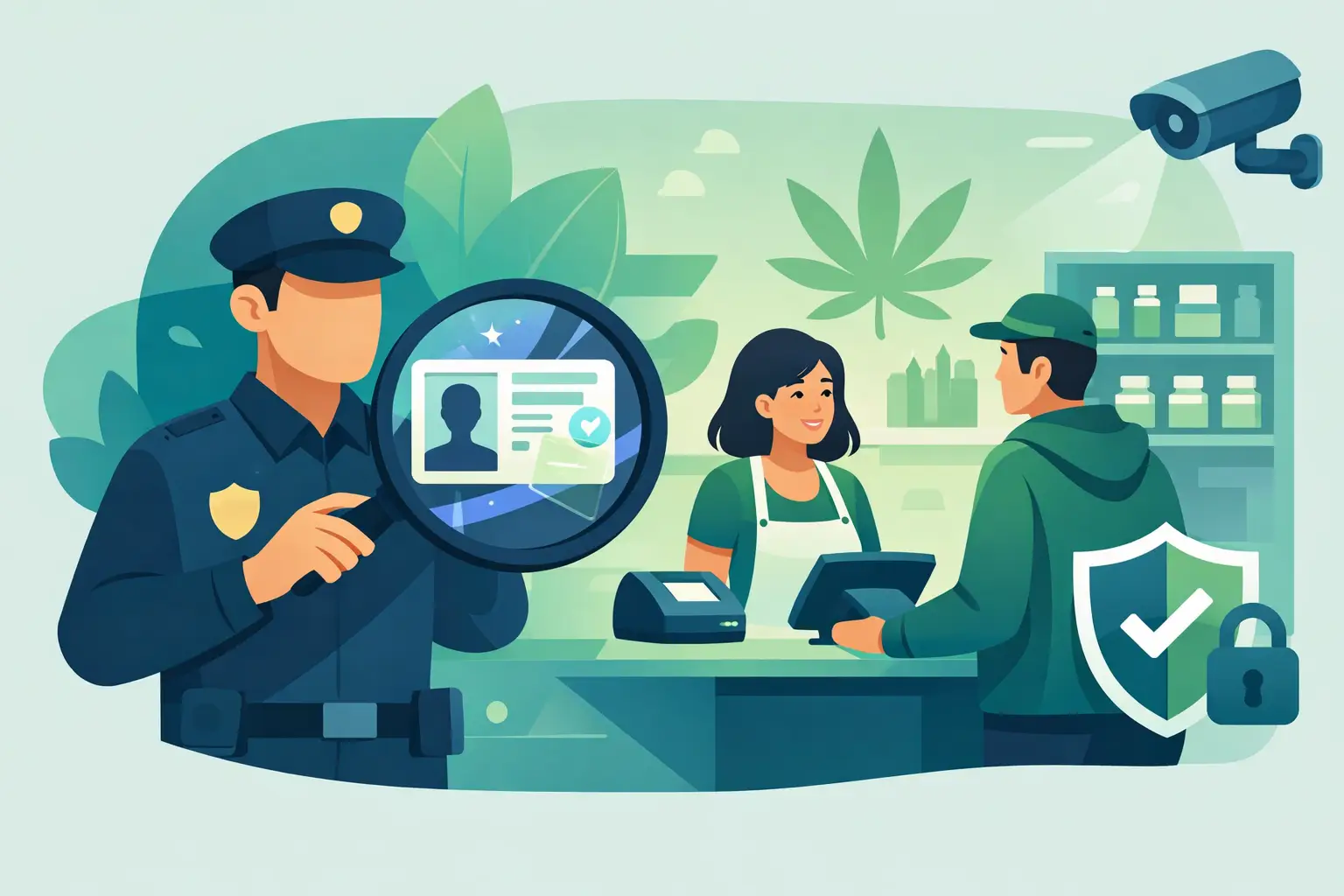
A dispensary can lose far more than a single sale when an underage customer gets through the door. ID checking for dispensaries is a front-line control for protecting a hard-won license, preserving community trust, and giving staff a clear, repeatable way to refuse risky transactions.
A quick visual glance at a driver's license is not a serious access-control process. Modern fake IDs are designed to pass casual inspection, and busy staff face pressure to keep a line moving. The right system needs to verify age instantly, identify signs of fraud, and keep working when the connection does not.
Why ID checking for dispensaries needs more than a date of birth
Cannabis operators work under strict state and local rules, but the operational challenge is consistent everywhere: staff must make accurate decisions quickly, often while managing a lobby, online-order pickups, and customers who expect fast service. A missed birthdate, altered ID, or expired credential can put the business, its employees, and its license at risk.
Manual checks leave too much to memory and judgment. Staff may know where to find a birthdate but miss an expired card, a mismatch between the portrait and the customer, or a subtle sign of tampering. A scanner creates a standardized workflow. The ID is presented, its encoded information is read, age is calculated, and staff receive a clear result before access or a sale proceeds.
That consistency matters during a rush. It also matters when a new employee is working the door or a manager needs to demonstrate that reasonable screening controls were in place. An ID scanner does not replace staff judgment or state-specific compliance procedures. It gives staff better information before they make the call.
What a dispensary ID scanner should verify
Age calculation is the baseline, not the entire job. A purpose-built system should read supported driver's licenses and passports, calculate eligibility against the applicable age threshold, and present a straightforward pass or fail result. It should also identify expired credentials and make the relevant information easy to see without forcing staff to interpret raw barcode data.
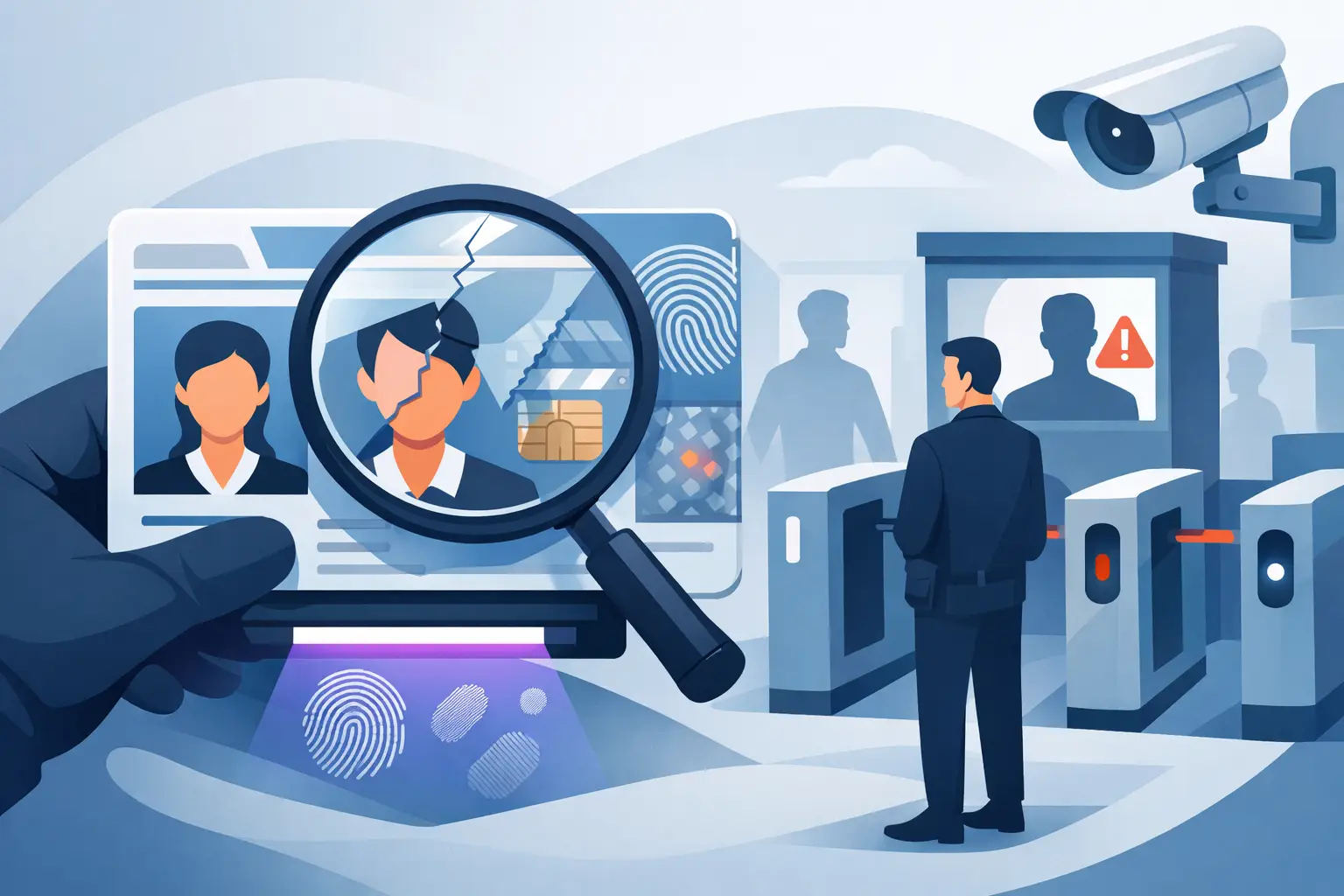
Fraud detection is where lower-cost consumer scanners often fall short. A barcode can be copied or programmed with plausible information. Security-focused ID checking examines the credential itself and compares multiple elements for signs that the document may be suspicious. This can include barcode structure, formatting, data consistency, and other document security indicators.
Kred scanners analyze more than 60 security indicators to help staff identify suspicious or fake IDs while delivering instant age verification. The goal is not to turn door staff into document examiners. It is to give them a reliable prompt when a credential deserves a closer look or a manager's review.
For dispensaries that serve visitors, passport support can also be useful. Rules for acceptable identification vary by jurisdiction, so operators should configure their process around local regulations and confirm that employees understand which documents the business may accept.
Speed has to support control
A scanner that slows the check-in process creates its own problems. Lines build, customers become impatient, and staff may abandon the process when demand rises. Fast scanning is a compliance feature because it makes the correct workflow practical at peak volume.
The best setup puts the device where the decision happens: at the entry point, reception desk, or pickup counter. Portable hardware can be especially useful for operators with a small lobby, pop-up security positions, curbside coordination, or a layout that changes during busy hours. The process should take seconds, not require an employee to leave the customer and search for a workstation.
Offline operation protects the door during outages
Internet access is useful for reporting, synchronized records, and multi-location visibility. It should not be a single point of failure for age verification. If Wi-Fi drops during a weekend rush, staff still need to determine whether a customer is eligible to enter or purchase.
An offline-first scanner keeps core verification operating without a live internet connection. That is a practical safeguard for dispensaries in areas with unreliable service, facilities with challenging signal conditions, or operations that cannot afford to pause screening during an outage. It also reduces dependence on a browser tab or personal phone at the point of entry.
Cloud tools can still add value where they fit the operation. Multi-device synchronization helps managers share selected patron intelligence across stations or locations, such as VIP recognition and banned-patron alerts. But cloud access should be an option that extends the system, not a requirement for every ID check. Operators should be able to deploy standalone hardware when that is the right commercial and privacy decision.
Privacy controls need to match the purpose of the check
Dispensary customers can be especially sensitive about personal information. A responsible ID-checking program should collect only what the business needs, retain it only as long as the business has a defined reason to retain it, and restrict access to authorized personnel.
Verification-only mode is a strong fit for operators that need to confirm age without building a customer database. In this workflow, the scanner verifies the ID and returns the eligibility result without storing unnecessary personal details. Where retention is operationally justified, such as investigating repeat access issues or enforcing a documented exclusion policy, retention periods should be configurable and clearly governed.
Security is not just a privacy policy on a website. It is a set of operating controls: encrypted data, access permissions, defined retention settings, staff training, and a process for handling exceptions. Systems using protections such as AES-256 encryption can help safeguard stored information, but the operator still needs to decide what should be stored in the first place.
Before deploying a scanner, management should document who can view records, how long records remain available, and when they are deleted. That keeps the program defensible and prevents a useful security tool from becoming an unmanaged data repository.
Build a workflow staff will actually follow
The strongest hardware will not fix an unclear policy. Staff need a short, practical procedure for routine scans and a calm escalation path for suspicious results. The objective is consistency, not confrontation.
Start by defining where every customer is checked. For some dispensaries, that is the front door before a customer enters the sales area. For others, it is a reception desk that separates the waiting room from the retail floor. Online-order pickups need the same discipline. An order confirmation is not proof that the person collecting it meets age requirements.
Train employees to scan every eligible customer rather than selectively checking people who appear young. Consistent screening reduces bias, removes awkward guesswork, and makes the policy easier to explain: every customer is checked because the business protects its license.
When a scan flags a suspicious ID, staff should know what happens next. They may ask for a second form of acceptable identification, request a manager, or decline entry according to company policy and local requirements. Employees should not be expected to argue with customers or make technical fraud determinations on their own. A clear alert gives them a reason to pause and follow the established procedure.
Banned-patron alerts can add another layer of operational control for stores managing prior theft, threats, trespass issues, or documented exclusions. This capability requires discipline. Alert categories should be limited, based on documented incidents, reviewed by authorized management, and handled in line with applicable laws and company policy. It is a risk-management tool, not a substitute for fair judgment.
Choosing the right setup for your operation
A single-location dispensary with one entry point may need a portable standalone scanner that verifies IDs quickly, detects suspicious credentials, and requires no subscription for core scanning. That approach keeps costs predictable and avoids adding software overhead to a straightforward door process.
A larger operation may need multiple devices, shared banned-patron alerts, or coordinated access intelligence across locations. In that case, optional cloud synchronization can make the security program more consistent without compromising the ability to verify IDs locally.
The decision comes down to volume, layout, staffing, privacy posture, and the consequences of a failed check. Do not buy based only on scan speed or a low upfront price. Ask whether the device reads the IDs your customers present, whether it detects more than barcode data, whether it works offline, what it stores, and what staff see when an ID raises concern.
A dispensary's ID check is one of the few controls that happens before risk enters the building. Make it fast enough for the line, strong enough for fake IDs, private enough for customers, and dependable enough to work when everything else is not.