VIP Recognition for Nightclubs That Protects Revenue

A top-spending regular should not wait in the general line while a known problem patron walks through unnoticed. VIP recognition for nightclubs gives door teams immediate, useful context at the point of entry: who deserves a personalized welcome, who requires attention, and who should not be admitted.
This is not about turning the door into a customer relationship desk. It is about giving security and management a controlled way to recognize the people who affect revenue, safety, and the guest experience. When handled correctly, VIP recognition supports faster decisions without compromising age verification, privacy controls, or the pace of admission.
Why VIP recognition for nightclubs matters at the door
Nightclubs invest heavily in the guest experience after admission: table service, talent, lighting, staff, inventory, and promotions. Yet the first interaction at the door often determines whether a valuable guest feels recognized or ignored. A promoter's client, a consistent bottle-service customer, or a trusted industry partner should not depend on a door person's memory during a busy Saturday rush.
At the same time, relying on memory creates security gaps. Staff turnover is common. Door teams rotate. A manager may know a guest's history while a new security employee does not. That disconnect can lead to missed VIP opportunities, inconsistent treatment, and preventable re-entry by patrons associated with prior incidents.
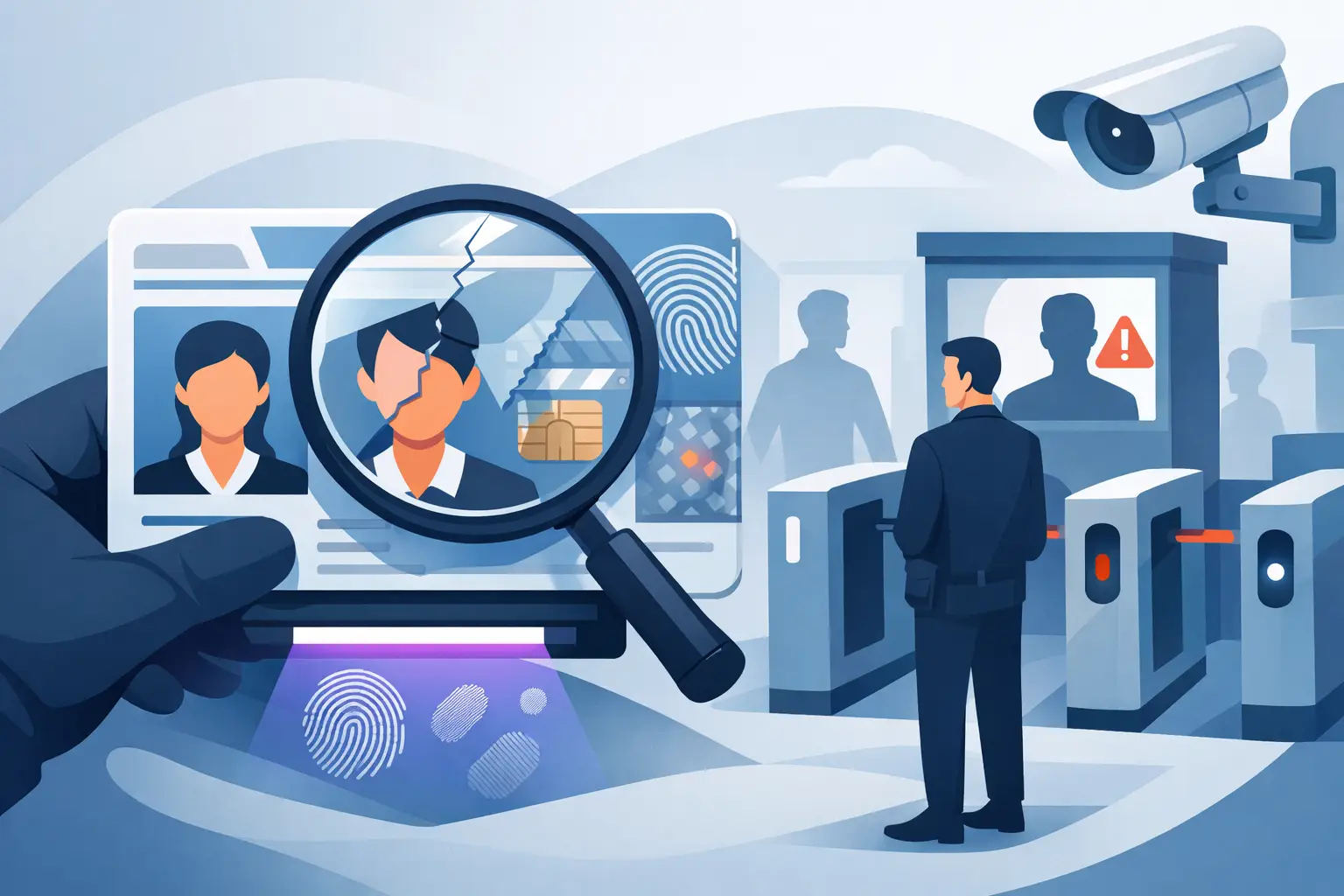
A properly configured ID scanning system replaces informal memory with an operational record. After an ID is scanned for instant age verification and suspicious ID detection, an authorized door team can receive an alert identifying a VIP or a patron with a documented restriction. The decision still belongs to the venue. The technology makes sure the relevant information reaches the person making it.
Recognition should improve operations, not create a bottleneck
The most useful VIP program is built around the actual flow of the door. If staff must search names manually, scroll through notes, or switch between multiple systems, recognition becomes slower than the problem it was meant to solve. At peak capacity, slow processes create lines, frustrate guests, and increase pressure on security to rush decisions.
The right workflow starts with a standard scan. A driver's license or passport is checked for age eligibility and analyzed for security indicators that may point to a suspicious or fake ID. If the patron matches a VIP record, the device presents an alert that is concise and actionable. Staff can greet the guest, confirm the appropriate access, and move them forward.
This approach keeps the same entry control process in place for everyone. VIP recognition becomes an operational layer on top of verification, rather than a separate exception that invites inconsistency.
What a useful VIP alert should contain
Door staff do not need a long profile on a guest. They need the minimum information required to act confidently. For many venues, that means a clear VIP designation, the access level or host note, and a current photo or verified identifying information where permitted by the venue's policies.
Management may choose to distinguish between regular VIPs, table-service clients, promoters' guests, artists, and owners' approved visitors. The categories should reflect real door decisions. If an alert does not change how staff route, greet, or admit a patron, it may not need to be collected.
Keep notes professional and specific. “Table client - direct to host stand” is more useful than vague labels. Avoid subjective comments or unnecessary personal details. Data minimization protects the guest and makes the system easier for staff to use correctly.
Pair VIP service with banned-patron controls
VIP recognition is only one side of patron management. Nightclub operators also need a reliable way to identify people who have been barred because of violence, theft, harassment, repeated fraud attempts, prior trespass notices, or other documented policy violations.
The value comes from placing both signals in the same controlled door workflow. A scanner can identify a known VIP and help flag a banned patron during the same ID-checking process. This reduces the risk that a familiar face is waved through without verification or that a past issue is missed because the employee on duty was not present when it happened.
The distinction between these records must remain clear. A VIP label should never override an age requirement, a security concern, or a ban. Likewise, a banned-patron record should be based on documented venue policy and reviewed by authorized management. Door staff need clear escalation instructions, especially when an alert involves a safety issue.
For multi-location groups, shared visibility can be valuable. A patron banned at one location may present a risk at another. But cloud synchronization should be a deliberate management decision, with defined retention periods, limited user access, and a consistent policy across the organization. A single independent venue may only need local records. A regional operator may benefit from synchronized intelligence across devices and sites.
Build a privacy-conscious recognition policy
Patron recognition involves identifiable information, so the program must be designed with privacy as an operating requirement, not a paperwork exercise. The goal is to collect only what the venue needs, restrict who can see it, and retain it only as long as it serves a legitimate business purpose.
Start by separating verification from retention. Some venues need instant age verification and fake ID screening but do not need to save patron information. Verification-only mode supports that workflow. Other venues may have a defined operational reason to retain limited records for VIP recognition, ban enforcement, incident investigation, or membership management.
When records are retained, establish written rules for who can create VIP entries, who can place or remove bans, and who can view notes. General door staff may only need to see the alert required for admission. Managers and security leaders may need more access to review documentation and make decisions. Encryption, including AES-256 protection for stored data where supported, is part of the technical foundation, but disciplined permissions matter just as much.
Retention should be configured rather than ignored. A venue should not hold records indefinitely simply because storage is available. Review VIP lists regularly, remove outdated entries, and set a process for reassessing bans according to company policy and applicable requirements.
Train staff for consistency, not discretion alone
Technology cannot fix an undefined door policy. Before enabling VIP recognition, management should decide exactly what staff should do when a VIP alert appears. Does the guest bypass a line? Is the guest directed to a host? Does the alert only notify the door team that a promoter is responsible for the guest? The answer depends on the venue's service model and capacity plan.
Training should also cover what staff should not do. They should not announce a VIP status loudly, share patron details with other guests, or assume that a recognized patron is exempt from ID requirements. Every guest should meet the venue's age and admission standards.
A short pre-shift review is often more effective than a lengthy manual. Confirm the current VIP categories, any major event guests, the escalation contact, and active exclusion alerts. New staff should practice scanning and responding to both VIP and banned-patron notifications before working a high-volume shift.
Choose hardware that remains reliable during service
A recognition program only works when the scanner is available at the door. Nightclubs cannot pause admissions because Wi-Fi drops, a web application is slow, or a device requires a complicated setup. Offline-first scanning is especially valuable because core age verification and ID analysis can continue without an internet connection.
For a single entrance or mobile door team, portable hardware can provide a practical standalone setup with no subscription required for core scanning. For venues that need shared alerts across multiple devices or locations, optional cloud synchronization can keep approved VIP and banned-patron records current. The correct choice depends on the number of doors, the level of staff rotation, and whether the business operates more than one venue.
Kred gives venues a direct-purchase option for purpose-built ID scanning hardware, with optional cloud tools when synchronized patron management is needed. That structure lets operators match the system to their actual risk and service requirements instead of taking on recurring software costs for functions they will not use.
Make recognition measurable
VIP recognition should support measurable outcomes, not just a better impression. Managers can review whether VIP guests are being routed correctly, whether entry times improve during peak periods, and whether security alerts are acted on consistently. If a VIP program repeatedly creates disputes at the door, the issue may be unclear categories or poor staff instructions rather than the technology itself.
The strongest programs feel simple to guests because the work happened before the line formed: clear policies, current records, trained staff, and dependable scanning. When the door team has the right context at the right moment, valued patrons receive appropriate service and security stays focused on protecting the venue.