ID Scanner Data Retention Policy for Venues

A packed Friday night creates pressure at the door. Staff need to verify age, spot suspicious IDs, keep the line moving, and prevent known problem patrons from walking back in. An ID scanner data retention policy determines what happens after that scan. It decides whether your venue keeps useful security intelligence or accumulates unnecessary personal data and risk.
The right policy is not simply a number of days. It is an operational rulebook for collecting the minimum information needed, protecting it while it is retained, and deleting it when the business purpose ends. For bars, nightclubs, dispensaries, and other age-restricted venues, that balance protects both the operation and the people walking through the door.
What an ID Scanner Data Retention Policy Must Do
A workable policy answers four direct questions: what information is collected, why it is needed, who can access it, and when it will be deleted. If any answer is vague, staff will make inconsistent decisions and management will have a harder time defending its practices after a complaint, incident, or regulatory inquiry.
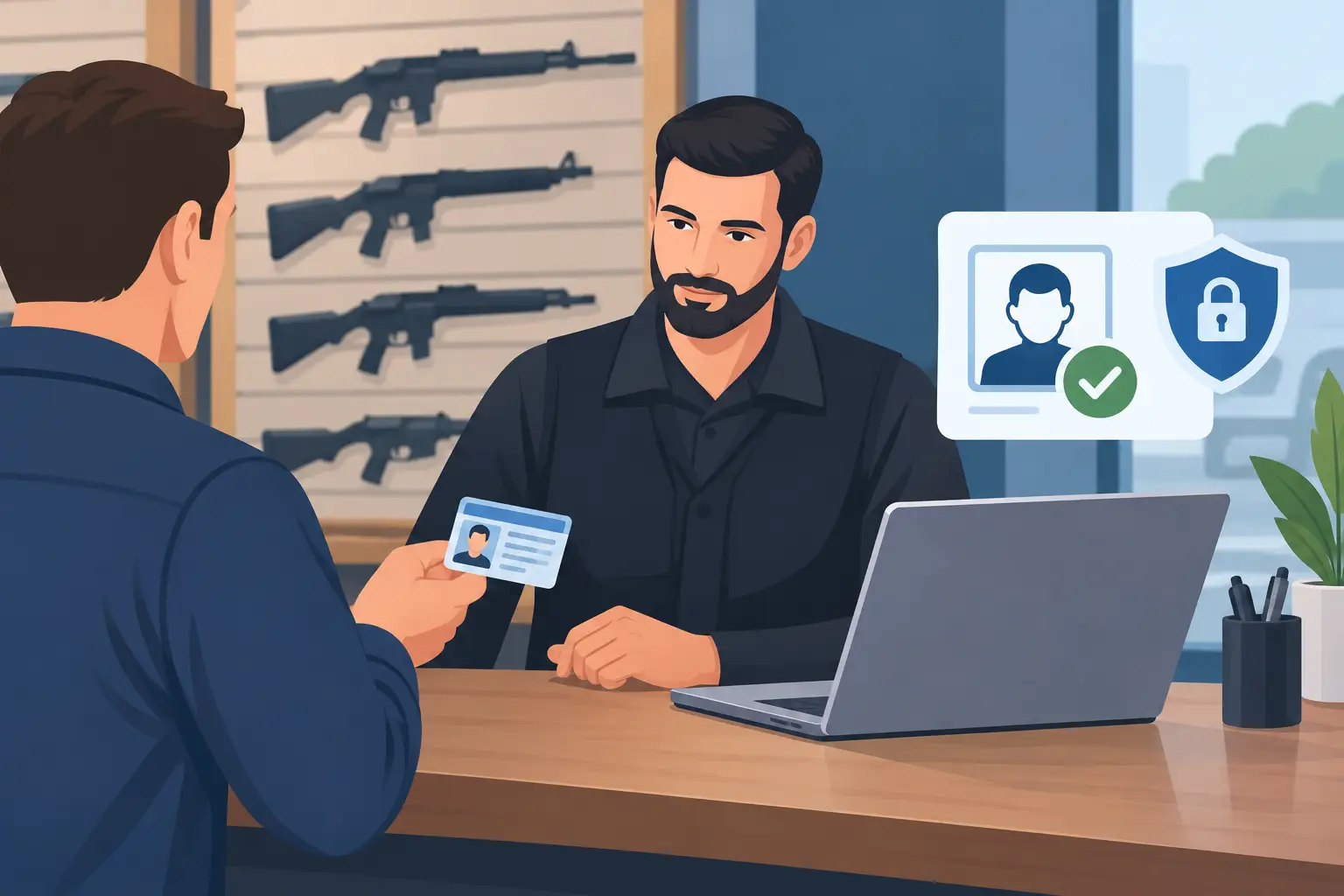
Start by separating the scan result from the full ID record. Confirming that a patron is of legal age is different from retaining a name, date of birth, address, ID number, photo, barcode data, or scan image. A venue may need the first result for entry control without needing the second set of information at all.
Your policy should classify data by operational purpose. Common categories include:
- Verification-only results, such as age approved or age denied
- Routine entry records, including the time, device, and staff action
- Suspicious or potentially fraudulent ID alerts
- Banned-patron records used to protect staff and guests
- Incident-related records connected to a documented security event
Each category carries a different business value and a different privacy burden. Treating all scanned IDs as one database is easy to administer, but it is rarely the most defensible approach.
Set Retention Periods by Risk, Not Convenience
Keeping data indefinitely because storage is inexpensive is a weak policy. Long retention increases exposure if credentials are compromised, a device is lost, or a former employee still has access. It can also make it harder to explain why personal information was retained after its original purpose ended.
Instead, choose a period that matches the reason for collection. Your legal counsel should review the final schedule for the states where you operate, especially if you have multiple locations or handle regulated products. State privacy laws, alcohol rules, licensing conditions, and litigation obligations can change the answer.
For most venues, a layered schedule is more practical than a single retention setting:
- Verification-only scans: Retain no personally identifiable scan data after the age decision, unless a specific legal or operational reason requires a minimal audit record. This is the lowest-risk option for venues focused strictly on age verification.
- Routine entry activity: Keep limited operational records only as long as they help resolve chargebacks, entry disputes, or short-term security questions. A period of 7 to 30 days may be appropriate depending on the venue's risk profile and local requirements.
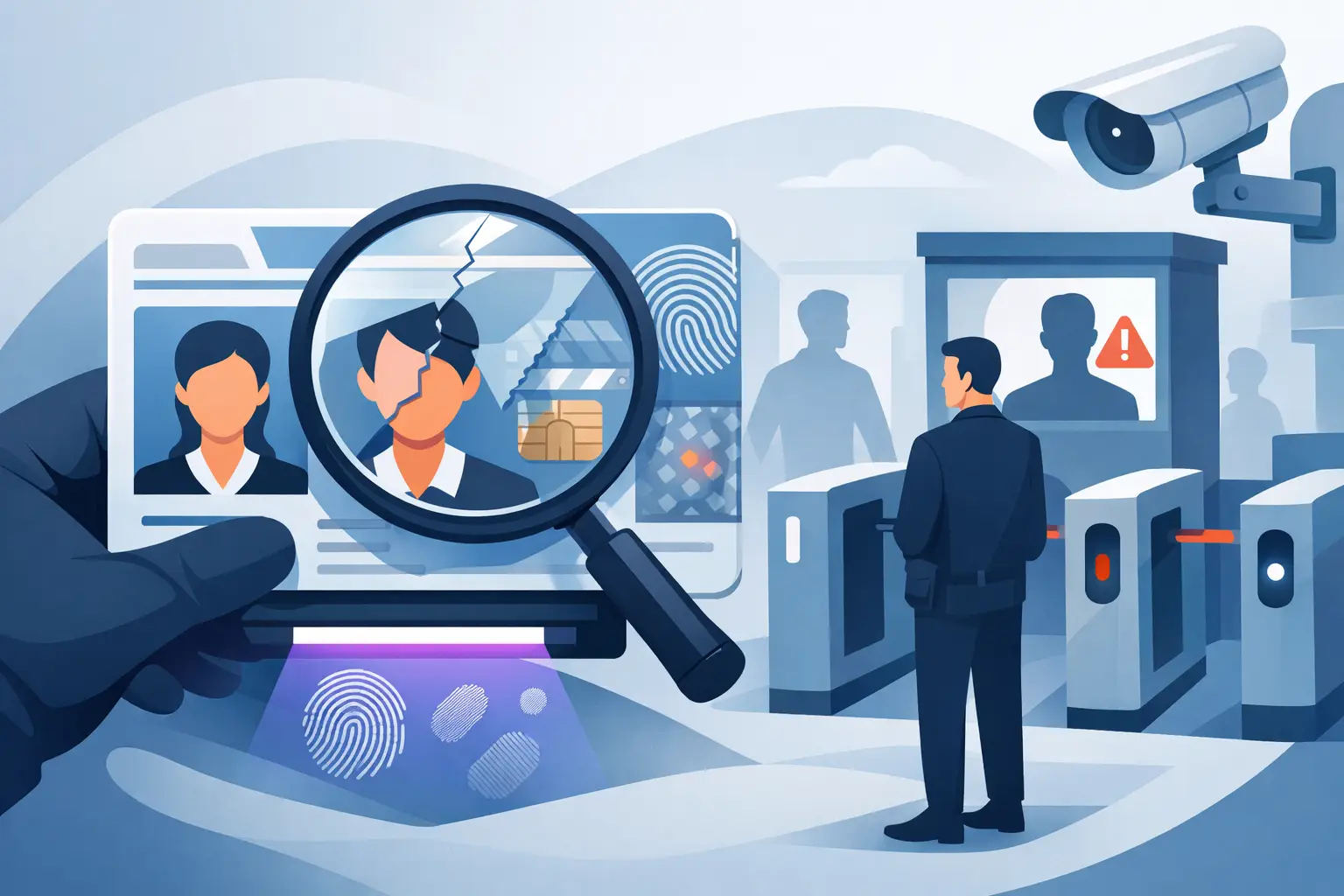
- Suspicious ID records: Retain only the information needed to document the alert and support follow-up. A 60- to 90-day period can provide time to identify repeat fraud attempts without turning every declined scan into a permanent profile.
- Banned-patron records: Retain records for the active duration of a legitimate exclusion. Require periodic review, such as every six or 12 months, so outdated bans and incomplete records do not stay in the system by default.
- Incident records: Keep records tied to a documented assault, theft, trespass, regulatory issue, or other incident according to counsel's guidance, insurance requirements, and any legal hold. These records should be separated from routine entry data.
The exact periods will vary. A high-volume nightclub with repeat fake-ID attempts may have a stronger case for retaining limited fraud indicators than a small restaurant that only scans during special events. What matters is that the venue can explain the purpose, the duration, and the review process.
Data Minimization Starts at the Door
The cleanest record to protect is the one you never collect. Configure scanners to capture only the fields needed for the selected workflow. If staff only need an instant age verification result, use a verification-only mode rather than retaining full license data.
This also improves staff discipline. Door teams should not use personal phones to photograph IDs, write down license numbers in notes apps, or create informal banned lists outside the approved system. Those workarounds defeat the policy, create inconsistent records, and make deletion nearly impossible to manage.
A strong policy should state that staff may access patron records only for a defined job function, such as checking a banned-patron alert, reviewing a recent entry dispute, or documenting an incident. It should also prohibit browsing records out of curiosity or sharing patron information with outside parties unless management and legal requirements authorize it.
Protect Data During Its Entire Life Cycle
Retention rules mean little if the data is not protected while it exists. Require individual user accounts where possible, role-based permissions, and prompt access removal when employees leave or change roles. A door manager may need to review a recent scan, while an owner may need reporting access. Neither group should automatically have access to every historical record.
Technical controls should match the sensitivity of the information. That includes encryption in transit and at rest, such as AES-256 encryption where supported, secure device management, strong passwords, and regular software updates. Physical controls matter too. A portable scanner should not sit unattended at a host stand or be taken home by staff after a shift.
Offline operation does not remove these obligations. It changes the architecture. An offline-first scanner can keep verifying IDs during a connectivity outage, which protects entry operations, but the venue still needs rules for local device storage, syncing, backup behavior, and deletion after synchronization. With Kred, operators can use verification-only workflows and configurable retention periods while keeping core age-verification operations available without an internet connection.
Build Deletion Into the Daily Process
A retention policy fails when deletion relies on someone remembering to clean up records manually. Configure automatic deletion wherever the system allows it. For records that require manual review, assign a specific owner and a recurring schedule.
The policy should also address exceptions. If an incident becomes the subject of a police request, insurance claim, lawsuit, or internal investigation, the relevant records may need to be preserved beyond the normal period. Document who can place a legal hold, what data it covers, and who can release it. Do not let a vague concern become an excuse to retain every record forever.
Train staff on the practical parts of the policy, not just the policy document. They need to know when to scan, what to do when an ID appears suspicious, how to apply a banned-patron alert, and when to escalate an issue. Managers should periodically verify that the device settings, cloud settings, and actual door workflow match the written rules.
Give Patrons a Clear, Consistent Experience
Privacy transparency supports safer operations. Post a clear notice at entry explaining that IDs may be scanned for age verification, fraud prevention, and venue security. The notice should direct questions to the appropriate manager or privacy contact and should not promise practices the venue does not follow.
Consistency matters just as much. If one door staff member scans every ID while another waves through familiar faces, your age-verification process becomes harder to defend. If staff retain records differently by shift, the venue loses control of both compliance and privacy. A configured scanner and a documented policy create a repeatable standard.
Your retention policy should be short enough for staff to follow and specific enough for management to enforce. Keep what protects the venue, delete what no longer serves a defined purpose, and review the settings before the next busy night tests them.