Patron Management That Protects Your Venue
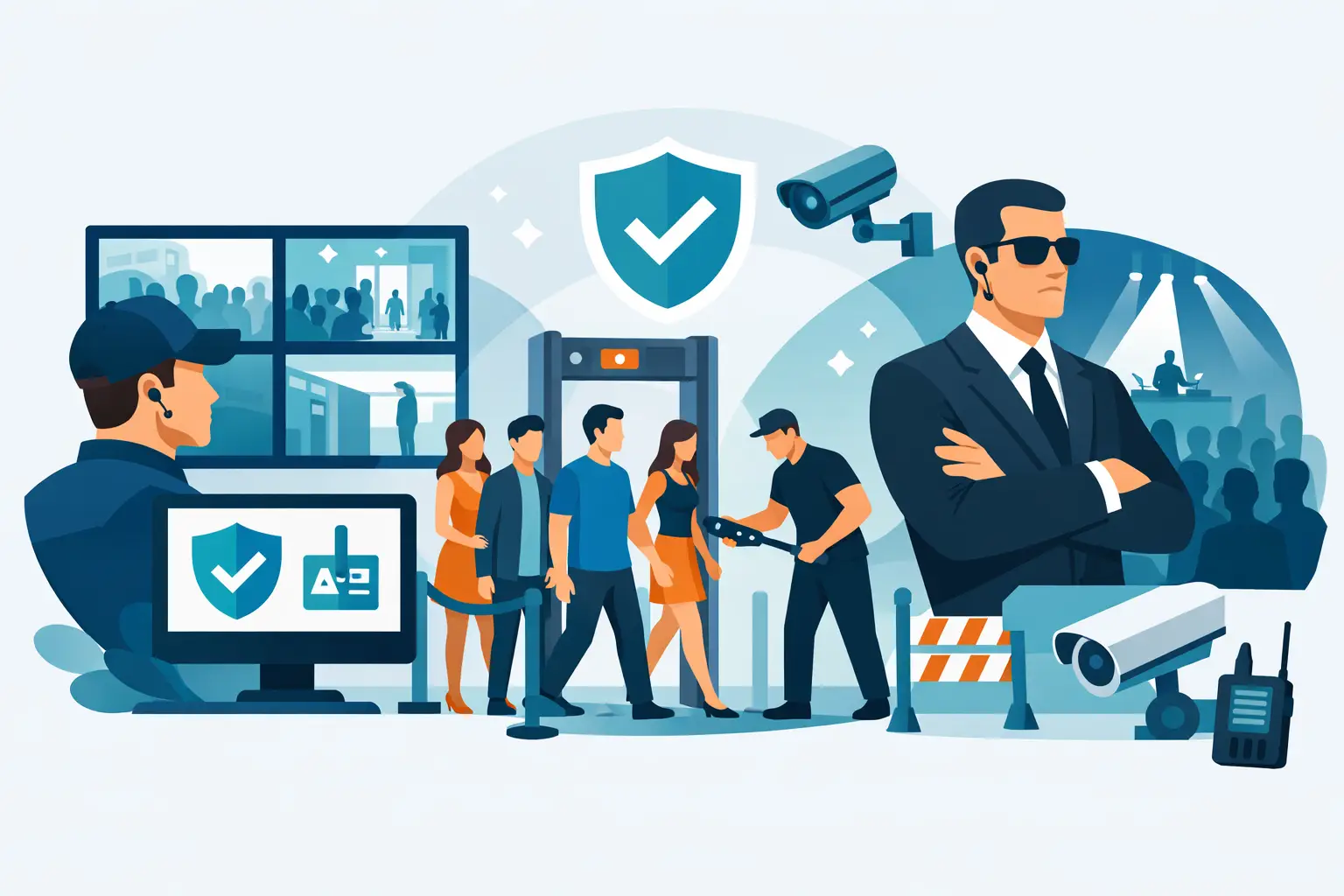
At 10:45 p.m., the line is building, a regular is asking for VIP access, and a guest who caused a fight last month is approaching the door. Patron management is what allows your team to make the right call before that person gets inside. It turns entry from a series of memory-based decisions into a controlled, documented process.
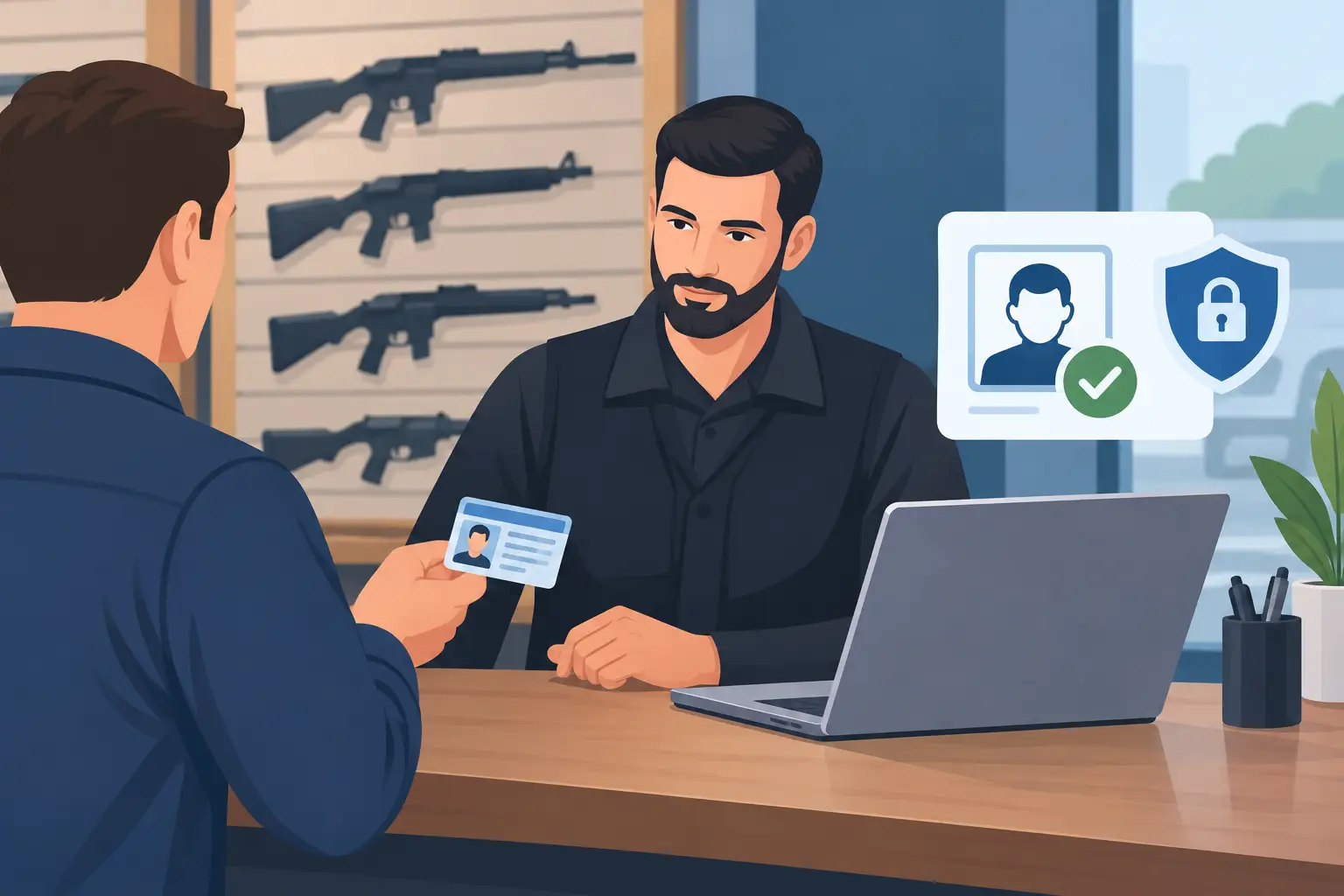
For bars, nightclubs, dispensaries, gun stores, dealerships, and other ID-critical businesses, the goal is not to collect more information than necessary. The goal is to recognize the people who create value, stop the people who create risk, and give staff clear guidance at the moment it matters.
What Patron Management Means at the Door
Patron management is the operational process of identifying, classifying, and responding to returning visitors. In a venue setting, it typically combines ID verification with a controlled record of VIPs, banned patrons, and other access notes your team needs to see.
That distinction matters. A scanned ID alone verifies age and can help identify suspicious documents. Patron management adds context. It tells the door team whether this guest has approved VIP status, has been denied entry before, or requires a manager decision under your venue's policies.
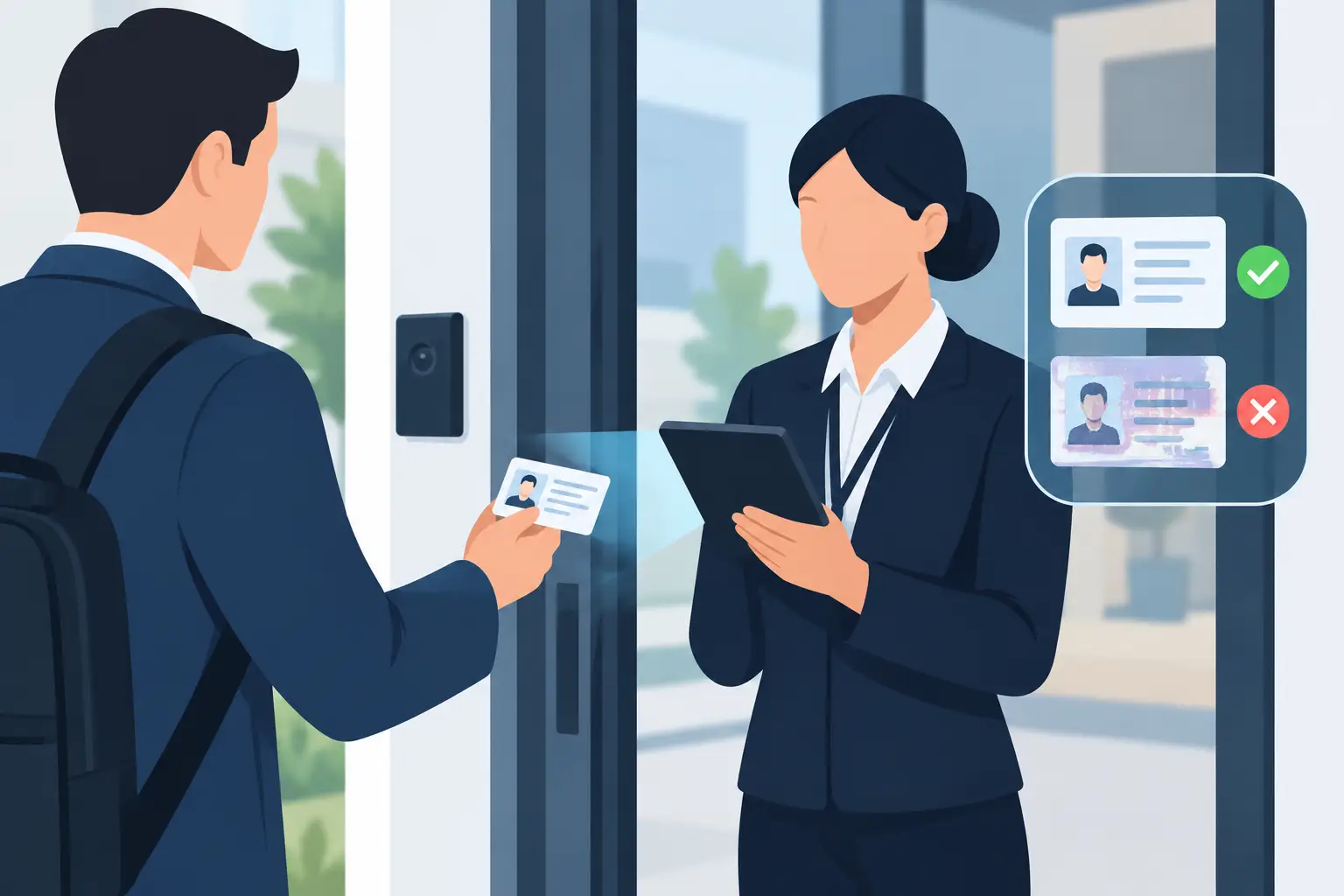
A useful system should support fast decisions, not force staff to search through spreadsheets, group texts, or handwritten notes. When a guest presents an ID, the result should be clear: admit, escalate, or deny entry according to the rules already set by management.
This is especially valuable when different staff members work different shifts. Memory is inconsistent, turnover is real, and verbal warnings do not reliably carry from Friday night to Saturday night. A documented process creates continuity without asking every employee to memorize every prior incident.
Why Patron Management Is a Security Control
A banned-patron list is not just an administrative record. It is a preventive security control. It gives door staff an early warning before a known problem enters a crowded room, approaches a restricted counter, or becomes someone else's emergency.
The strongest programs use clear, behavior-based standards for adding a person to a restricted list. Examples may include violence, threats, repeated fake-ID attempts, theft, trespass after notice, documented harassment, or violations of venue safety rules. The specific criteria should reflect your business, local law, and legal counsel's guidance.
Vague entries create risk. A note such as “bad attitude” does not help a new security employee make a defensible decision. A better record states the date, location, incident category, and the action taken. It should be factual, limited to what staff need to know, and reviewed by an authorized manager.
The same discipline applies to VIP recognition. A VIP designation should help your team deliver the experience your business intends to provide. It may identify an approved member, event host, high-value customer, artist guest, or partner. It should not become a shortcut around age verification, capacity limits, weapon policies, or staff judgment.
Speed Must Not Reduce Control
The door is a high-pressure environment. Staff need to process legitimate guests quickly while catching underage visitors, altered IDs, and known risks. If a patron-management workflow adds too many steps, employees will work around it when the line gets long.
The practical answer is to tie patron recognition to the same scan used for ID checks. A scan can provide instant age verification, analyze security features for suspicious IDs, and surface an alert when a matching patron record exists. The team does not need to stop, open another application, or rely on a radio call to confirm the next step.
This approach also reduces the chance of staff making decisions based on appearance, familiarity, or a guest's confidence at the door. The process begins with the ID and the policy, not assumptions.
Build a Policy Before You Build a List
Technology can enforce a process, but management must define it first. Before creating VIP or banned-patron records, decide who can add records, what evidence is required, who can view alerts, and who has authority to override a restriction.
Keep the policy direct. Front-line staff need to know what to do when an alert appears. Managers need to know how to document an incident. Owners and compliance leaders need to know how long records are retained and how decisions are reviewed.
A workable policy answers a few essential questions in plain language:
- What conduct leads to a warning, temporary restriction, or permanent ban?
- Who approves each type of restriction and who can remove it?
- What information is necessary to identify the person and explain the action?
- How should staff respond if the individual disputes the alert?
- When are records reviewed, expired, or deleted?
Temporary restrictions are often more practical than treating every incident as permanent. A 30-day restriction after a documented disturbance may be appropriate in one case, while violence or credible threats may justify a longer ban. It depends on the facts, your business policies, and applicable requirements.
Consistency is the objective. When similar conduct receives similar treatment, staff can act with more confidence and the business can better explain how it manages access decisions.
Privacy Is Part of Effective Patron Management
More data is not automatically better security. Storing unnecessary personal information increases the consequences of a mistake, expands internal access concerns, and makes retention harder to justify.
Start with data minimization. Retain only the information needed for verification, security, compliance, or the specific patron-management purpose. For some operations, verification-only mode may be the right fit: the ID is checked without retaining a patron profile. For others, a limited record is necessary to support banned-patron alerts or VIP recognition.
Retention should also be intentional. A temporary event list may need a short retention window. A documented safety restriction may require a longer period, subject to policy and legal guidance. Configurable retention periods allow an operator to match storage practices to operational need rather than keeping every scan indefinitely.
Access controls matter just as much. Door staff may need to see a clear alert and a simple instruction, but they do not necessarily need access to full incident details or administrative settings. Managers should be able to review and correct records. The fewer people who can alter a restriction, the less likely a list becomes inaccurate or misused.
For cloud-connected environments, ask how information is protected in transit and at rest, how devices are authenticated, and whether records can be synchronized only when connectivity is available. AES-256 encryption and defined access permissions are concrete controls worth evaluating, not marketing extras.
Offline Capability Keeps the Door Moving
An internet outage should not force a venue to choose between unchecked entry and a stalled line. Connectivity can fail during peak hours, at temporary events, or in buildings with inconsistent service. Core ID verification must remain available when that happens.
An offline-first scanner allows staff to continue checking IDs and applying local patron records without waiting for a connection. When cloud synchronization is used, it can extend patron intelligence across devices or locations when service is restored. That is useful for multi-location operators, but it should not make a single venue dependent on a subscription or live internet connection for basic protection.
Kred supports this model with portable scanners that provide age verification and suspicious ID detection offline, while Kred Cloud can synchronize selected patron information across devices when a business needs shared visibility.
The trade-off is straightforward: shared, real-time intelligence is valuable for organizations with multiple doors or locations, but it requires governance. Decide which records should be shared, who owns the list, and how quickly changes need to appear elsewhere. A neighborhood bar may need one controlled local list. A regional operator may need consistent alerts across every site.
Train Staff for the Alert, Not Just the Scan
A scanner can identify an age issue, a suspicious document, or a patron match. It cannot manage the conversation for your employee. Training should cover the response after an alert appears.
For a banned-patron alert, staff should know whether to deny entry immediately, request a manager, avoid discussing incident details, or contact law enforcement if there is an active safety concern. The response should be calm and consistent. Arguing at the entrance can turn a controlled decision into a public confrontation.
For VIP recognition, the expected service response should be equally clear. Staff may direct the guest to a dedicated entrance, confirm an event credential, or notify a host. The point is not preferential treatment at any cost. The point is accurate recognition without weakening the same security standards applied to everyone else.
Run short scenario-based refreshers before busy periods. Practice a fake-ID attempt, a disputed banned-patron match, a returning guest with an expired restriction, and an internet outage. These are the situations where a policy either holds up or gets ignored.
A well-run entry operation does not depend on one experienced bouncer remembering every face. It gives every authorized employee the same verified information, the same escalation path, and the same ability to protect the venue when the line is longest.