What IDs Require Age Checks at Your Venue?
A busy door is the worst place to debate whether an ID is acceptable. Staff need a clear policy before the line forms: which customers must be age-verified, which documents the business will accept, and what to do when an ID looks altered, expired, or unfamiliar.
The short answer to what IDs require age checks is that age checks apply to people and transactions, not to a specific class of ID. A customer seeking to buy alcohol, enter a 21+ venue, purchase cannabis, or complete another age-restricted transaction may need to prove age. The document presented must be one your state law and company policy permit you to accept.
For operators, the goal is not simply to find a date of birth. It is to make a fast, defensible decision that protects the license, staff, and guests.
What IDs Require Age Checks in Practice?
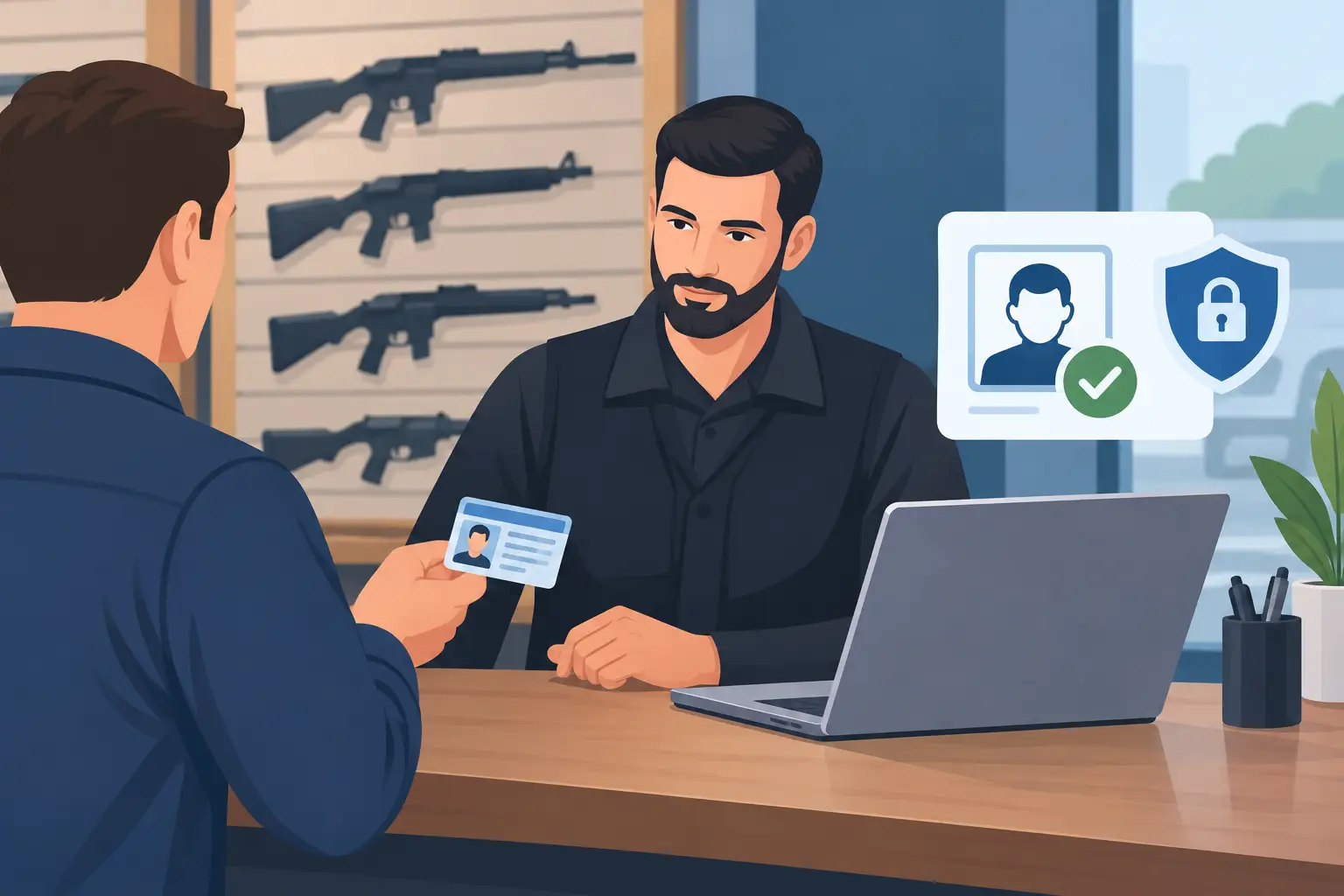
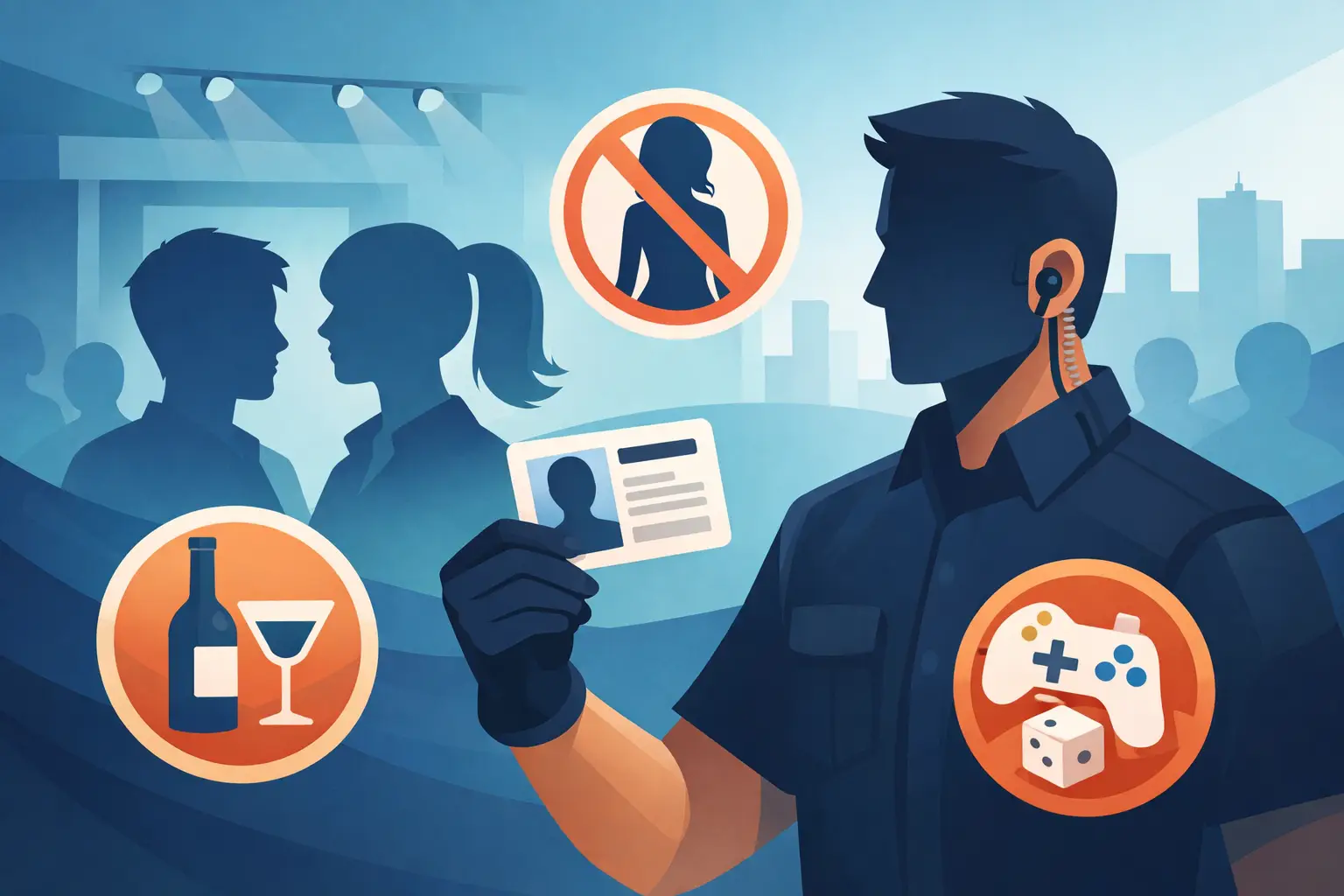
Age verification is triggered by the activity. Bars, nightclubs, liquor stores, dispensaries, tobacco retailers, casinos, and many event venues must check age when a customer enters or attempts a restricted purchase. The exact legal threshold varies: alcohol and adult-use cannabis are commonly 21+, while tobacco and nicotine sales are federally restricted to customers age 21 and older. Gambling, firearm sales, and certain regulated services carry their own federal, state, provincial, or local rules.
That means a venue should not ask, “Does this ID require an age check?” The operational question is, “Does this guest need to prove age, and can we verify that this document is valid under our rules?”
Age checks are particularly necessary when a guest appears under the applicable age threshold, but many businesses choose a broader standard. A 100% ID-check policy at entry removes judgment calls, creates a more consistent guest experience, and reduces the chance that a rushed door team misses an underage patron.
IDs Commonly Accepted for Age Verification
In most U.S. operations, a current government-issued photo ID is the baseline. The most commonly accepted documents are a state-issued driver's license, a state identification card, a U.S. passport or passport card, and, where permitted, a military ID or tribal identification card.
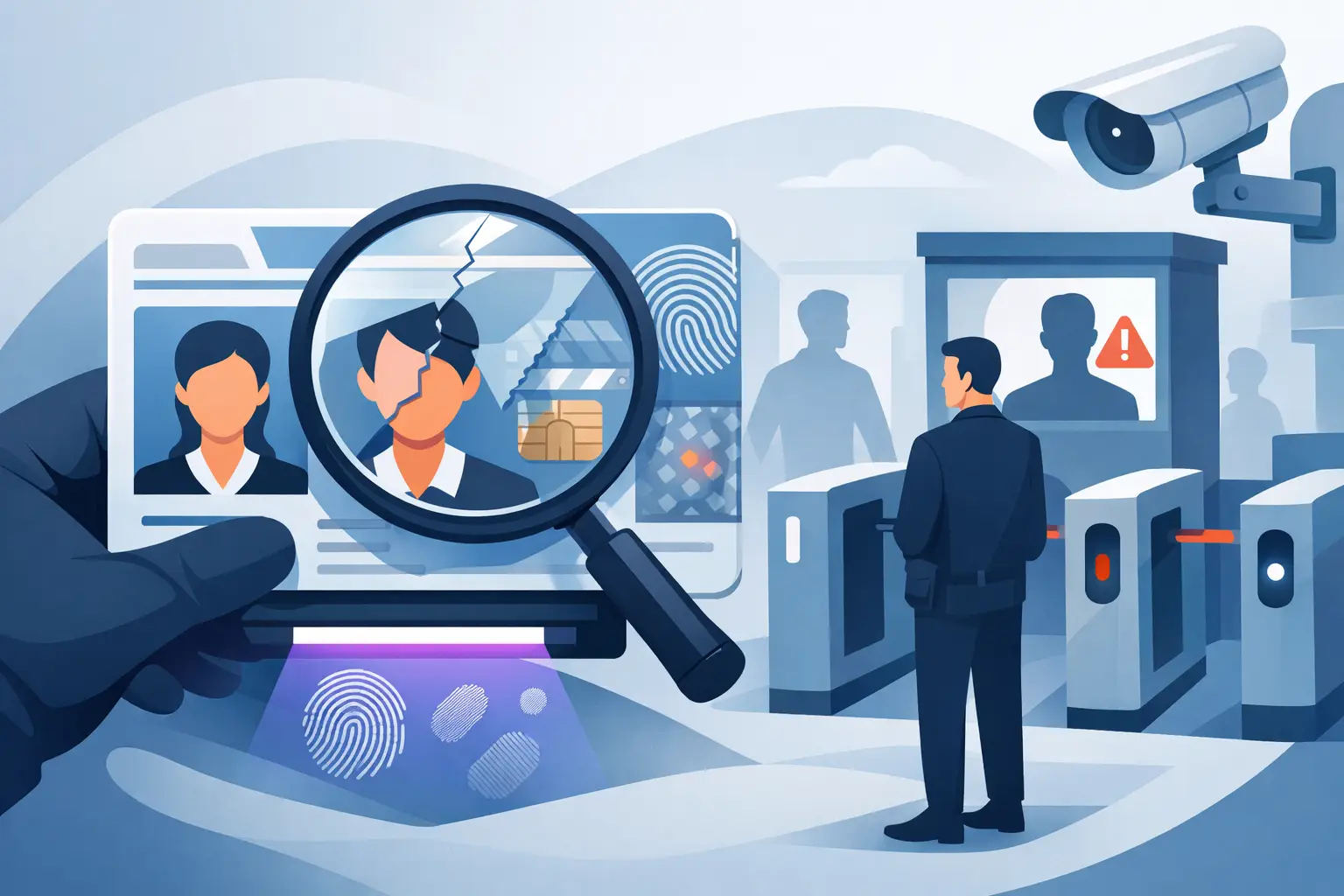
A driver's license or state ID is usually the fastest document to check because staff see it constantly and most ID scanners can read the barcode. Still, a barcode scan alone is not proof that the physical card is authentic. A strong process compares the scan result with the printed data, photo, expiration date, and visible security features.
Passports are widely recognized identity documents and are often the best option for international guests. They do not have a U.S. driver's license barcode, so staff need a scanner and workflow that can read passport data and check the document carefully. A foreign driver's license may be acceptable in some jurisdictions, but acceptance rules vary. Operators should define this in writing rather than leaving the decision to the individual employee.
Military and tribal IDs deserve special attention. Some jurisdictions or business policies restrict copying, retaining, or scanning certain government credentials. A venue may be able to visually inspect a document for age while limiting what it captures or stores. Legal requirements and privacy rules can differ significantly by location.
Documents That Should Raise a Flag
An ID can display a birth date and still be unacceptable. Student IDs, employee badges, gym memberships, photocopies, screenshots, and social media profiles are not reliable proof of legal age for regulated sales or entry. They are easy to alter, often lack required security elements, and generally do not meet government-issued photo ID standards.
Expired IDs are another common issue. Some states allow expired driver's licenses for limited purposes, but a regulated venue should not assume that an expired credential is valid for alcohol, cannabis, or other restricted access. Set a policy based on the laws where you operate, then train every shift to follow it.
Temporary paper licenses create a similar challenge. They may be legitimate, but they are more difficult to authenticate and may not be accepted for every age-restricted transaction. If your policy allows them, require the supporting document and follow the rules that apply in your jurisdiction. If your policy does not allow them, give staff a simple, respectful refusal script.
Match the ID Policy to the Risk
Not every business has the same exposure. A neighborhood bar may focus on stopping underage entry and detecting borrowed or altered driver's licenses. A multi-location dispensary may need to confirm age at every transaction, identify repeat banned patrons, and maintain a consistent policy across stores. A gun dealer has separate identity and recordkeeping obligations that should be built around applicable federal and state requirements, not a generic nightlife policy.
The document standard should match that risk. A practical policy answers four questions:
- Who must show ID, such as every guest or anyone appearing under a defined age.
- Which documents staff may accept, including rules for foreign IDs, passports, and temporary credentials.
- What staff must inspect beyond the date of birth, including photo match, expiration, damage, and security features.
- When to refuse service or call a manager, especially for mismatched photos, damaged cards, or scan failures.
The advantage of a written standard is consistency. It protects staff from pressure at the door and gives managers a defensible record that the venue takes age-restricted access seriously.
A Scan Is a Checkpoint, Not a Substitute for Judgment
ID scanning improves speed, but it should support trained staff rather than replace them. A good scanner reads the encoded data, calculates age instantly, and flags potential problems. Advanced systems also analyze document security indicators that can expose suspicious or fake IDs that look convincing under low light.
The physical check still matters. Door staff should compare the guest to the photo, look for altered laminate or mismatched fonts, check that the card's edges and holograms appear intact, and confirm the printed information matches the scan. If a guest presents a passport, staff should inspect the photo page, expiration date, and machine-readable zone.
A rejected scan does not always mean the guest is using a fake. The barcode may be damaged, the document may be issued in a format the device cannot read, or the lighting may interfere with the capture. Treat a scan failure as a reason for a secondary review, not an automatic accusation. If the document cannot be verified to your standard, the correct operational decision is to deny entry or the restricted sale.
Privacy Controls Belong in the Age-Check Process
Collecting more ID data than necessary creates unnecessary risk. For many venues, the only information needed is whether the person meets the age requirement. Verification-only mode can confirm age without building a detailed patron record.
When a business does need records for incident management, banned-patron alerts, VIP recognition, or compliance documentation, it should define exactly what is retained, who can access it, and when it is deleted. Encryption, configurable retention periods, and permission-based access turn privacy from a policy statement into an operating control.
This is especially relevant for multi-location operators. Shared patron intelligence can help prevent a known problem guest from moving between venues, but the data should be limited to a legitimate business purpose and handled according to applicable privacy requirements. Cloud synchronization is useful when teams need it, while offline-first verification keeps the door moving during an internet outage.
Build a Faster, More Defensible Door Policy
The strongest age-check program is easy to execute under pressure. Train staff to request ID early, scan or inspect it in the same sequence every time, and escalate exceptions to a manager. Keep the policy short enough that new employees can use it on their first shift, but specific enough to cover foreign documents, expired credentials, and suspected fraud.
Kred scanners are built for this environment: instant age verification, suspicious ID detection, and offline operation without requiring every venue to take on a subscription. The right hardware helps, but the real protection comes from pairing it with a consistent policy and staff who know when an ID does not pass the test.
At the door, certainty is better than improvisation. Define the documents you accept, verify age every time your risk requires it, and give your team a clear path to say no when a credential cannot be trusted.