Age Restricted Venue Screening Guide for Doors
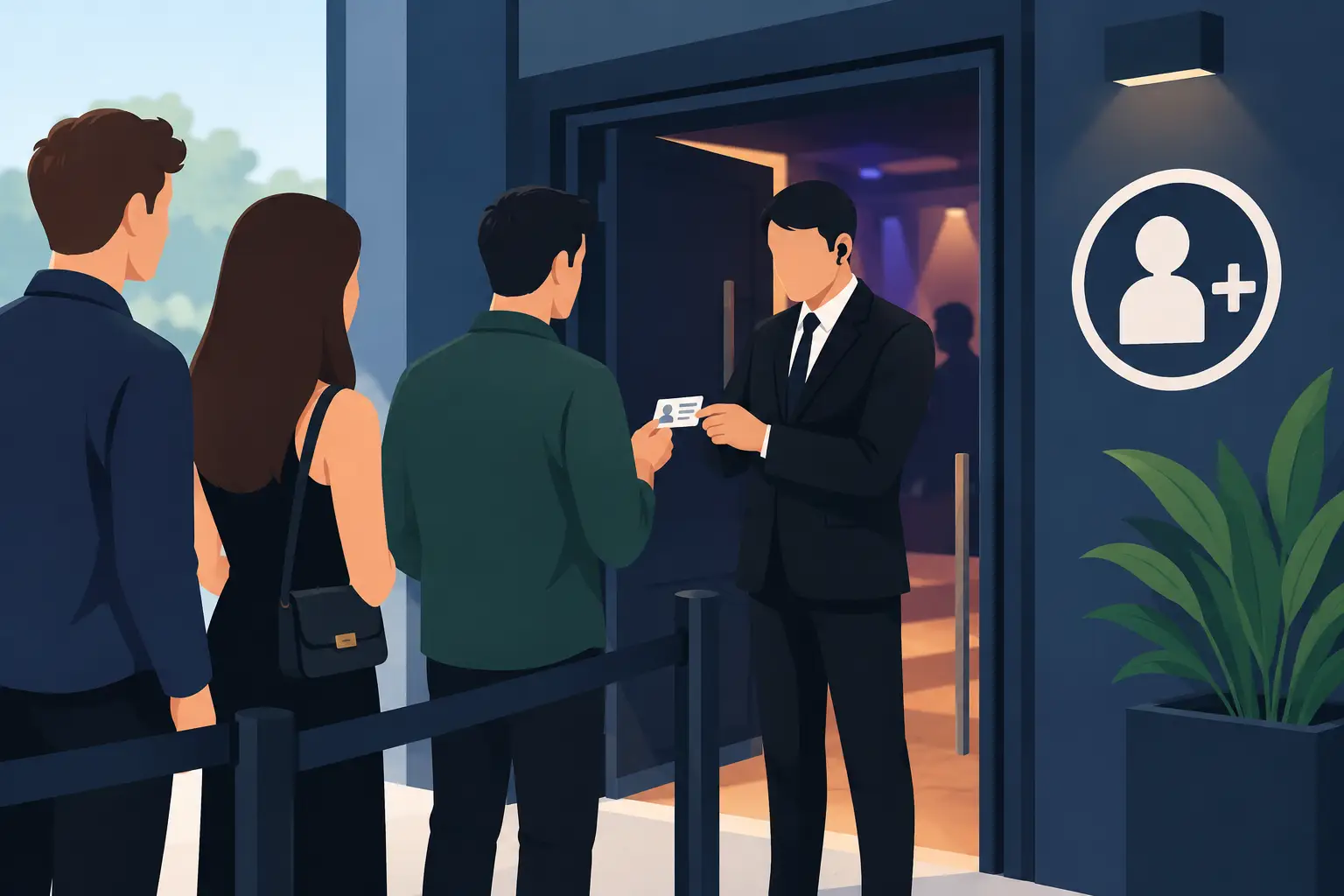
A busy door can lose control in seconds. One staff member hesitates over a questionable ID, a line starts to stack up, and pressure builds to wave people through. This age restricted venue screening guide is built for the opposite outcome: fast, consistent decisions that protect your license, your staff, and the guests already inside.
The goal is not to turn every entry point into an interrogation. It is to create a repeatable screening process that verifies age, catches suspicious documents, and gives staff a clear response when an ID or patron presents a risk.
Build an Age Restricted Venue Screening Process Before Doors Open
Screening starts well before the first guest arrives. Your door team needs one standard for checking identification, one escalation path for questionable documents, and clear authority to deny entry when required. If staff members use different rules, guests will quickly identify the weakest point in the process.
Start by defining the admission requirements for your venue. These may include a minimum age, acceptable forms of government-issued identification, dress or conduct standards, and rules for handling visibly altered, expired, damaged, or otherwise questionable IDs. State and local requirements vary, so management should confirm the rules that apply to the business and train against those requirements.
The policy must also be practical at peak volume. A procedure that looks good in a training binder but takes 90 seconds per guest will fail at 11:30 p.m. Staff need a workflow they can follow under noise, low lighting, long lines, and direct pressure from guests.
A strong door policy answers three questions immediately: Is this ID valid? Is this person old enough? Is this patron cleared for entry? Those questions sound simple, but each requires consistent controls.
Assign clear roles at the entry point
At a high-volume venue, separating responsibilities improves both speed and accuracy. One employee can greet guests and manage the line while a trained checker verifies IDs. A supervisor or security lead should be available for escalations, particularly when a guest disputes a denial or presents a document that may be fraudulent.
Do not leave staff to improvise conflict management. They should know when to retain a suspicious ID if permitted by applicable law, when to refuse service or entry, when to call a manager, and when behavior warrants security intervention. The safest response is often brief and neutral: the venue cannot accept the ID and cannot admit the guest.
Verify the Document and the Person
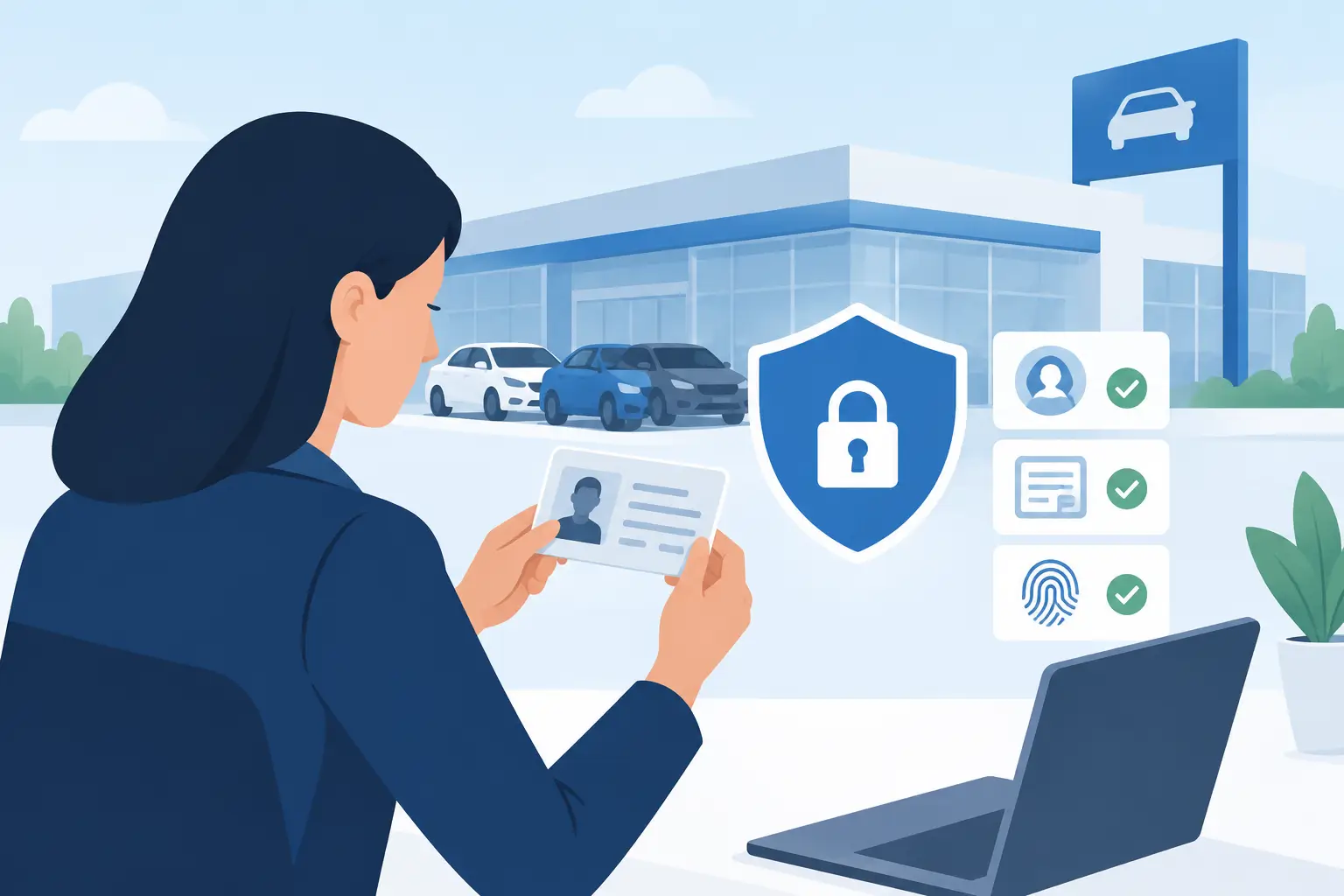
Visual inspection still matters, even when your venue uses ID scanning. Staff should compare the guest to the photo, check the date of birth, look for obvious physical damage, and assess whether the document appears altered. They should also look at the person presenting it. A genuine ID used by someone else is still not valid proof of age for that guest.
Manual checks, however, have limits. Door staff cannot reliably inspect every modern document security feature in poor lighting while moving a crowded line. Many counterfeit IDs are designed to pass a quick glance. They may carry a scannable barcode, believable artwork, and a date of birth that appears valid at first look.
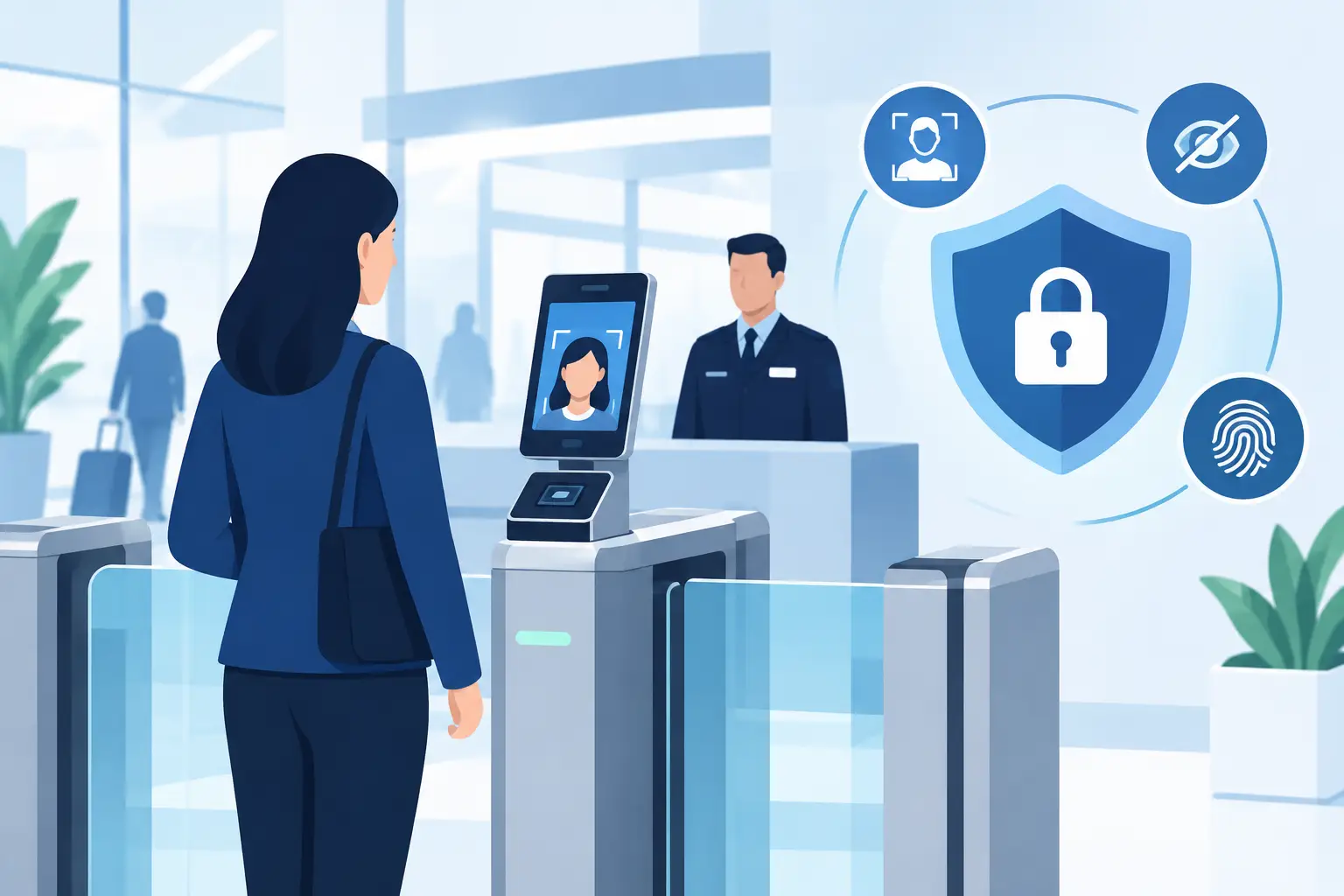
That is where purpose-built ID scanning changes the operating model. A scanner can read the document data, calculate age instantly, and analyze security indicators that are difficult to verify manually. It also creates consistency. The same ID receives the same screening standard whether the line is empty or wrapped around the block.
A scanner should support the documents your guests actually carry, including driver's licenses and passports. It should also function when connectivity is unavailable. An internet outage cannot become an open-door policy, especially during the busiest hours of service.
Treat a scan result as a decision tool, not a substitute for judgment
A passed scan does not remove the need for trained staff. If the portrait does not match the person, the ID is damaged, or the guest is behaving suspiciously, pause the transaction and escalate. Conversely, a scan alert should trigger a defined review process rather than an argument at the front door.
The best workflow combines technology and human observation. The device handles rapid age calculation and document analysis. The team handles context, behavior, and safe enforcement.
Flag Fake IDs Without Creating a Bottleneck
Counterfeit IDs create more than an underage-entry problem. They expose alcohol, cannabis, firearms, and other regulated businesses to enforcement risk, chargebacks, theft, disruptive incidents, and reputational damage. A single failure can cost far more than the sale associated with one guest.
Door teams should be trained to recognize common warning signs: mismatched fonts or spacing, uneven laminate, altered birth dates, an incorrect barcode response, inconsistent holographic features, or a photo that does not match the presenter. But counterfeit quality varies widely. Staff should never rely on one visual feature alone.
Use a clear escalation lane for questionable IDs. Move the guest aside without blocking the line, let a supervisor review the document, and avoid announcing accusations in front of other patrons. This reduces conflict and keeps screening moving for legitimate guests.
The decision standard should be simple: if staff cannot verify the ID with confidence, do not admit the guest. Your team is not required to prove fraud beyond doubt before denying entry. It must apply the venue's admission policy and protect the business.
Screen for Patron Risk, Not Just Age
Age verification is the first gate, not the only one. A venue also needs to know whether a person has been previously removed for violence, harassment, theft, fraudulent identification, or other serious policy violations. Relying on memory works only until staff changes, locations multiply, or a high-risk patron arrives during a chaotic rush.
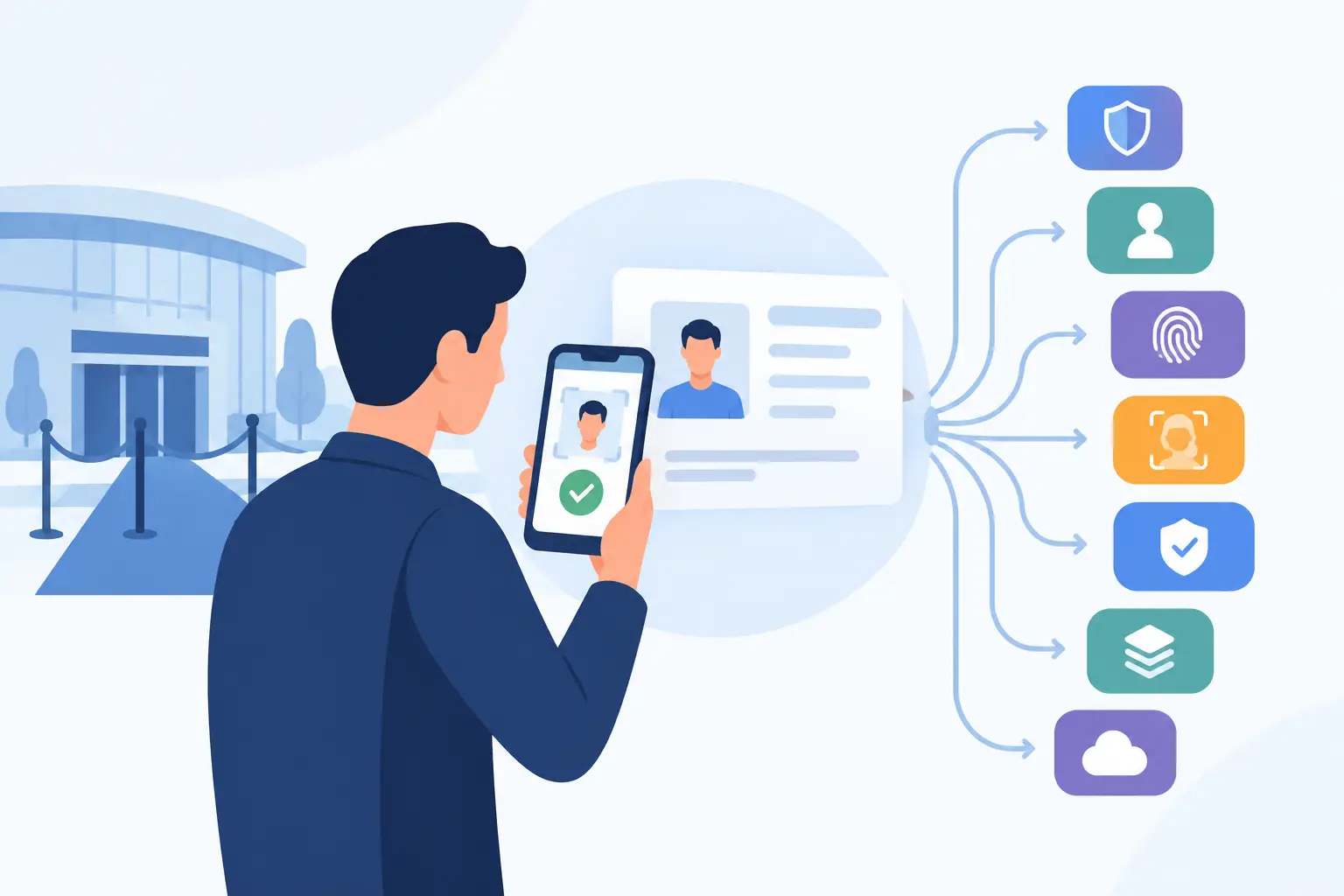
A patron management process gives operators a way to recognize VIPs, document incidents, and flag banned patrons at the point of entry. For a single location, that may mean a controlled local list. For multi-location operations, shared cloud synchronization can help authorized devices work from the same current information.
This capability needs governance. Define who can add a banned-patron record, what facts must support the entry, who can remove or review it, and how long information is retained. A vague blacklist creates risk of its own. A documented, access-controlled process is more defensible and more useful.
Privacy should be built into the workflow from the start. Not every venue needs to retain full patron data for every successful check. Verification-only mode and configurable retention periods let operators collect only what is necessary for the purpose at hand. If data is stored, it should be protected with strong encryption and limited to authorized users.
Train for Real Door Conditions
A screening program is only as reliable as the staff using it. Training should cover device operation, visual ID review, fake-ID escalation, de-escalation, privacy expectations, and what to do during a power or connectivity interruption. New hires need hands-on practice, not just a policy acknowledgment.
Run short drills before service. Give staff examples of expired IDs, altered documents, someone presenting another person's ID, a scanner alert, and a banned-patron notification. Ask each person to explain the next step. This reveals gaps before they become a Saturday-night incident.
Managers should also review performance after busy shifts. Look for repeated overrides, frequent scan failures, long wait times, or inconsistency between staff members. These are operational signals. They may point to weak training, poor door layout, inadequate lighting, or a device setup that does not match the venue's traffic pattern.
Choose Tools That Fit Your Operation
The right screening hardware depends on volume, venue layout, document mix, and whether you operate one location or many. A portable scanner can fit an independent bar, dispensary, or event entrance where staff need mobility. Higher-volume operations may need multiple devices, dedicated charging routines, and synchronized patron intelligence across entrances or sites.
Subscription structure also matters. Some operators need cloud-based coordination; others need dependable standalone age verification with no recurring software requirement. Kred supports offline-first verification, instant age checks, suspicious ID detection, and optional cloud synchronization, so venues can choose the operating model that fits their risk and budget.
Before purchasing, test the full door workflow: how quickly staff can scan, how alerts appear, whether the display is readable in low light, how the device handles connectivity loss, and how data controls are configured. A feature list is not enough. The tool has to work in the conditions where your team makes real admission decisions.
Your door is a business control point, not just a greeting station. Give it a consistent process, trained authority, and technology that still works when the line is long and the stakes are high.