Dealer Test Drive Screening Guide for Safer Handoffs
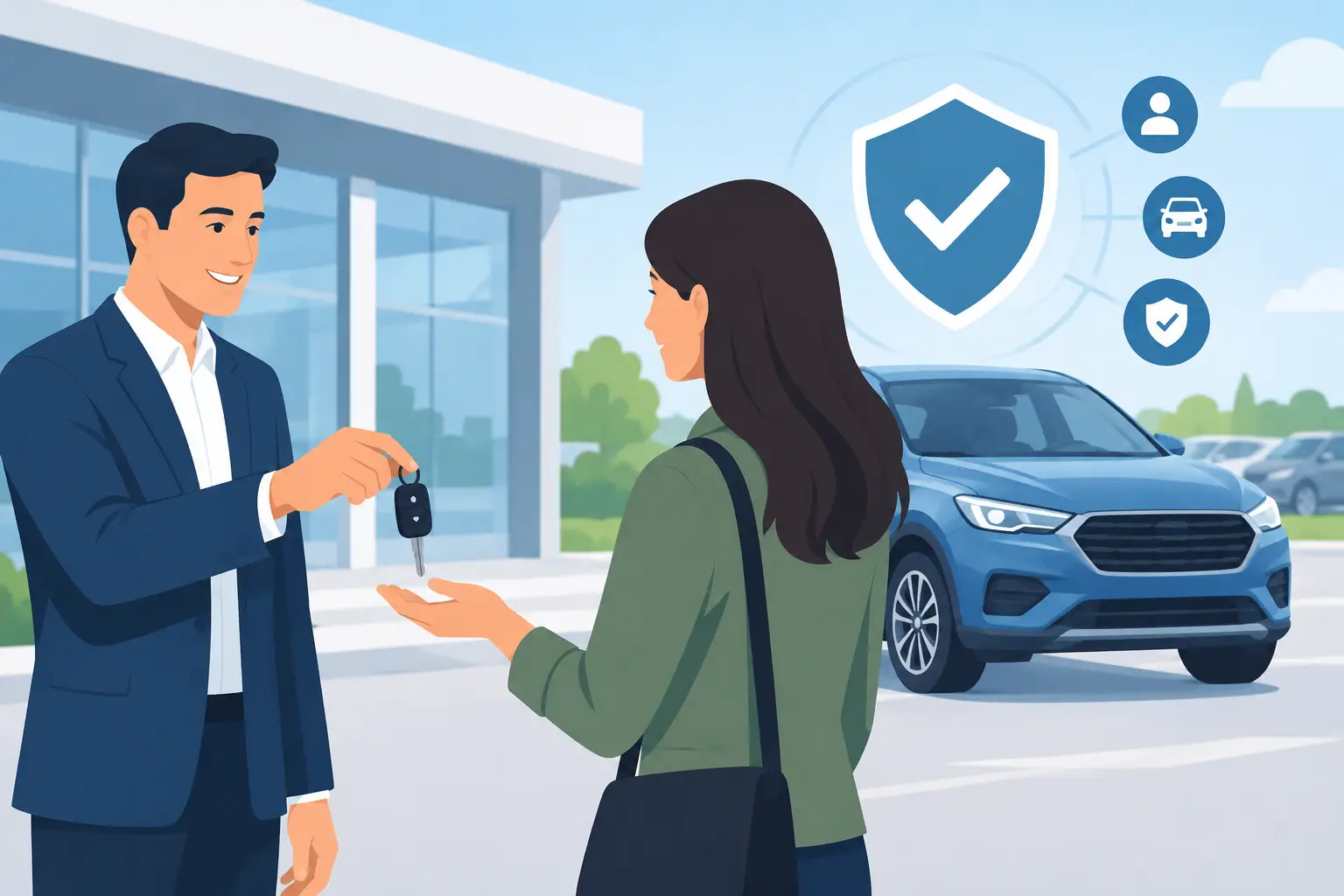
A test drive should start with a controlled handoff, not a salesperson making a judgment call at the curb. This dealer test drive screening guide gives dealership teams a practical way to verify the person taking the keys, document the interaction, and keep the sales process moving without treating every legitimate shopper like a suspect.
The risk is real. A stolen vehicle, fraudulent identity, expired license, or unreturned test-drive unit can create losses that reach far beyond the vehicle itself. Insurance disruption, staff safety concerns, police reports, customer-data exposure, and reputational damage all follow. The strongest control is a repeatable screening process that every salesperson and manager can use under pressure.
Why test drive screening needs a written process
Many dealerships rely on informal habits: glance at a driver's license, make a photocopy, and hand over the keys. That approach breaks down during busy periods, when a new employee is working alone, or when a customer pushes for speed. It also creates inconsistent records and unnecessary privacy exposure.
A written process establishes a clear standard. Staff know what to request, what to verify, where to keep the record, and when to involve a manager. Customers receive the same professional experience regardless of who is handling the appointment.
Screening is not about creating friction for qualified buyers. It is about confirming that the person requesting access is who they claim to be before they operate inventory that may be worth tens of thousands of dollars. Done well, it takes seconds at the desk and can prevent a costly failure at the lot exit.
The dealer test drive screening guide: a five-step workflow
1. Set expectations before the customer arrives
Put your test-drive requirements in appointment confirmations, online inquiry responses, and posted dealership policies. Tell customers they will need a valid driver's license and may need proof of insurance, depending on store policy and carrier requirements. This removes surprises and gives serious buyers a simple next step.
Staff should avoid promising a test drive before required documents are reviewed. A customer who refuses standard identity verification is not merely inconvenienced. That refusal is operational information that should trigger a manager review.
2. Verify the driver's license, not just the photo
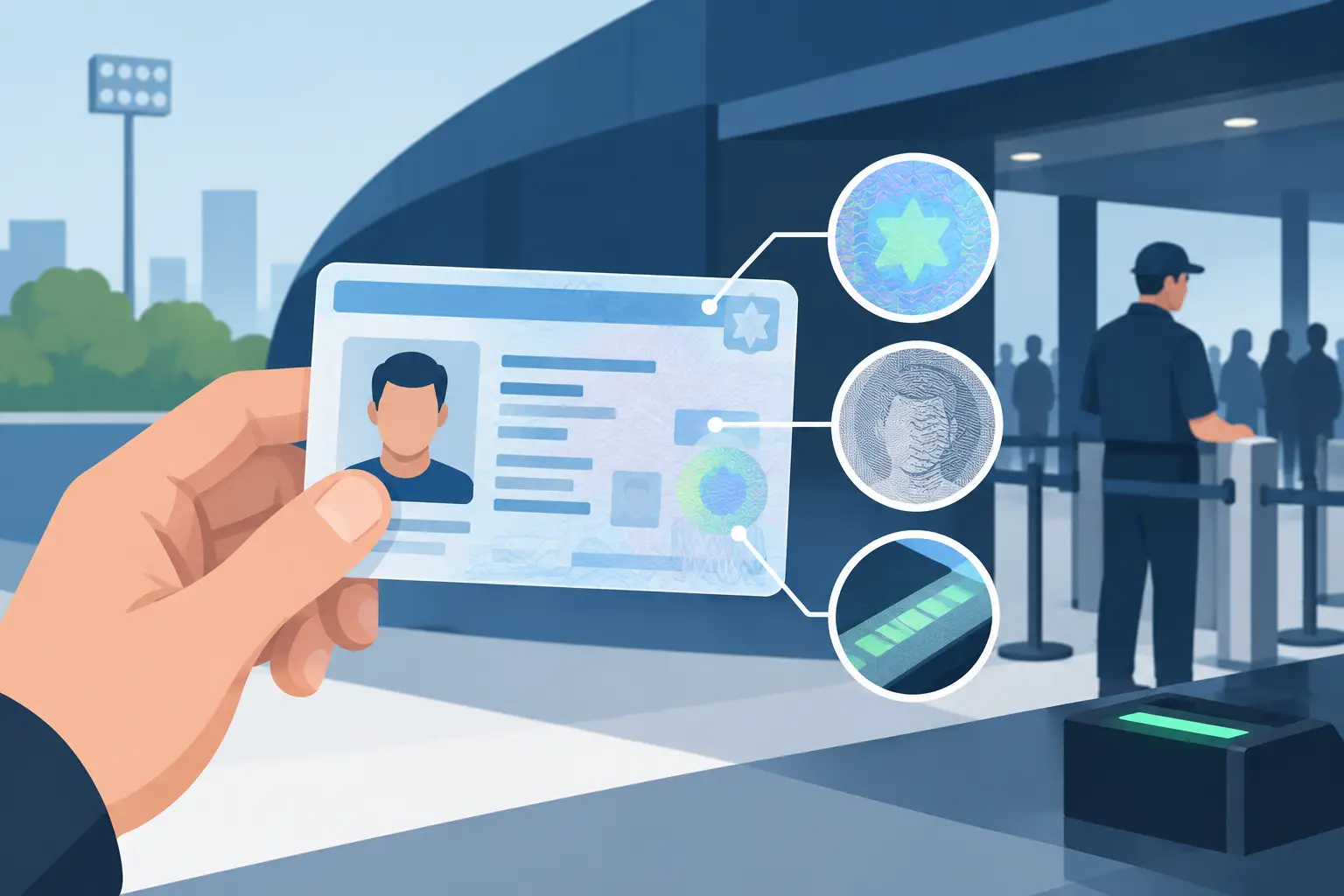
A visual check alone can miss altered cards, borrowed licenses, and high-quality counterfeits. Staff should compare the photograph to the person present, confirm the date of birth, review expiration status, and inspect obvious signs of tampering. They should also check that the name on the license matches the name provided for the appointment or transaction.
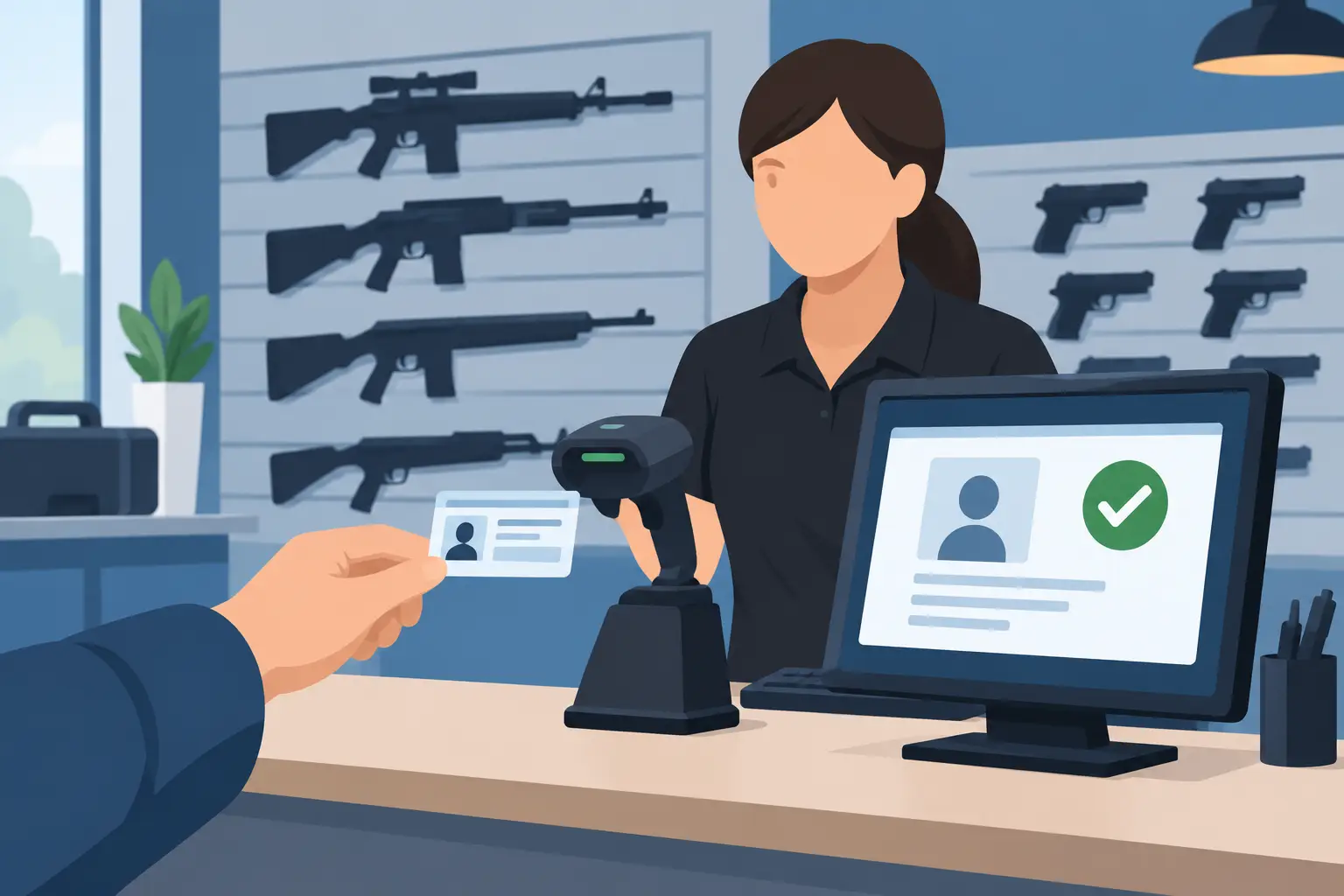
A purpose-built ID scanner adds consistency by reading the barcode and analyzing document security features. Kred scanners, for example, perform instant age verification and assess more than 60 security indicators to identify suspicious or fake IDs. For a dealership, that can provide a faster, more defensible check than relying only on an employee's visual judgment.
An ID scan is a strong identity control, but it is not a substitute for every legal or insurance requirement. It does not establish that a license is currently valid for driving in every jurisdiction, that the holder has active insurance, or that they meet your carrier's rules. Build those checks into your policy where they apply.
3. Match the customer to the intended vehicle and route
Before keys change hands, record the stock number, make, model, plate or VIN reference, departure time, expected return time, and employee assigned to the drive. Confirm who will be driving and whether passengers are allowed. If a co-buyer wants to drive, screen that person as well.
The route should be defined by the dealership, not improvised by the customer. A standard route helps sales staff manage time, reduces the chance of a vehicle leaving the expected area, and gives managers a clear point for escalation when a unit is overdue. GPS-equipped inventory may add another layer of protection, but it should support a disciplined handoff process rather than replace it.
For higher-value, high-performance, or theft-targeted vehicles, adjust the controls. A manager may require a salesperson to accompany the drive, request additional documentation, limit the route, or approve the handoff personally. The right threshold depends on inventory, location, loss history, and insurance guidance.
4. Use a clear escalation path for suspicious activity
Employees should not be left to debate a questionable ID or concerning behavior in front of a customer. Give them a simple response: pause the test drive, retain no document unless your policy permits it, and ask a manager to review the situation.
Potential warning signs include mismatched information, an ID that will not scan or produces inconsistent data, visible card damage around the photo or barcode, repeated pressure to bypass the process, or unusual urgency around a specific vehicle. Any single sign may have an innocent explanation. Several signs together justify a more cautious response.
Managers should be trained to decline a test drive professionally when verification cannot be completed. Avoid accusations. A direct explanation works: dealership policy requires completed license verification before any vehicle leaves the lot. If the customer can provide acceptable documentation later, the team can continue the conversation then.
5. Close the record when the vehicle returns
The test-drive record is not complete when the customer leaves. Staff should confirm the return time, inspect the vehicle according to dealership procedure, recover keys, and note any exceptions. If there was damage, an overdue return, a route deviation, or an identity concern, document it immediately while details are fresh.
This final step protects the dealership in disputes and makes the process auditable. It also identifies gaps in training. If staff routinely fail to capture a return time or skip a required review, management has a measurable operational issue to correct.
Protect privacy while documenting the handoff
Dealerships need enough information to manage risk, but collecting every possible data point creates its own exposure. The best policy is data minimization: collect only what supports the test drive, protect it, and delete it according to a defined retention schedule.
Avoid unsecured photocopies on desks, personal phone photos, and shared email attachments. Those practices make it difficult to control access or prove that records were destroyed. A secure scanning system can support verification-only workflows when full data retention is not necessary, while configurable retention periods help align records with dealership policy.
Access should be limited to staff with a business reason to review test-drive records. If your operation uses cloud synchronization across locations, define who can see alerts and customer data. Encryption, permission controls, and written procedures matter because a fast sales workflow is only useful when it is also defensible.
Train for consistency, not confrontation
The best screening policy fails if it is treated as optional during a rush. Include test-drive screening in onboarding, role-play common customer questions, and give salespeople exact language they can use. The goal is calm consistency, not aggressive enforcement.
For example, a salesperson can say, “Before we head out, I need to verify your license and complete our test-drive record. It only takes a moment.” That sounds routine because it is routine. When every customer receives the same explanation, staff are less likely to make exceptions based on appearance, perceived buying power, or pressure at the desk.
Review the process after any incident, but do not wait for an incident to test it. Managers should periodically observe handoffs, check completed records, and confirm that devices are charged, available, and functioning. Offline-capable verification is particularly valuable when connectivity drops and the dealership still needs to maintain its screening standard.
A secure test drive begins with a simple principle: no keys leave the dealership until identity, documentation, and responsibility are clear. Make that principle easy for staff to follow, respectful for legitimate buyers, and consistent enough to hold up when the stakes are high.