Dealership Fraud Case Study on Closing ID Gaps

A dealership fraud case study rarely begins with a dramatic breach. More often, it starts at a busy sales desk: a customer arrives close to closing, presents a valid-looking driver’s license, asks for a high-demand vehicle, and pressures the team to move quickly. The process feels routine until the vehicle, identity, or financing documents turn out not to be what they appeared to be.
For dealerships, identity fraud is not just a finance-office issue. It can expose inventory during test drives, create chargeback and lending disputes, put employees at risk, and damage relationships with lenders and insurers. The most effective control is a practical one: verify identity early, consistently, and with a documented process that does not slow legitimate buyers down.
Dealership Fraud Case Study: The Fast-Moving Customer
The following is a representative composite based on common dealership fraud patterns. It is not a report of a single incident, but it reflects the operational gaps that repeatedly create losses.
A suburban dealership had a popular late-model performance SUV on its lot. On a Saturday afternoon, a customer arrived with a second person who said he was helping evaluate the vehicle. The primary customer presented an out-of-state driver’s license, requested a test drive, and said he had financing arranged through a credit union.
The salesperson visually checked the license, copied the information into the CRM, and made a photocopy. The ID looked clean, the customer knew basic vehicle details, and the showroom was busy. No one compared the barcode data to the printed information, checked the document’s security features, or confirmed whether the person presenting the ID matched the portrait beyond a quick glance.
During the test drive, the salesperson remained at the dealership to assist another customer. The two visitors did not return.
The vehicle was recovered several days later, but with damage and missing components. The dealer also learned that the identity on the license belonged to a real person whose information had been compromised. The document used at the dealership was a sophisticated counterfeit, not a crude fake. The incident created an insurance claim, lost selling time, staff disruption, and a hard question from ownership: Why was a photocopy treated as verification?
The control failure was operational, not just technical
The dealership had a sign-out procedure, but it depended on individual judgment. Sales staff were trained to collect a license before releasing a vehicle, yet they were not equipped with a consistent method for assessing whether the license was authentic. When traffic increased, the procedure became a paper exercise.
That distinction matters. Collecting an ID creates a record. Verifying an ID helps establish whether the record belongs to the person standing in front of the employee. A copied counterfeit can be just as misleading as no document at all.
The dealership also had no immediate escalation path for suspicious IDs. Staff worried that asking more questions could offend a legitimate buyer or cost a sale. Without a clear policy, speed won over scrutiny.
Where Dealership Identity Fraud Enters the Process
Fraud attempts do not follow one script. Some criminals want temporary access to a high-value vehicle. Others use stolen or synthetic identities to obtain financing, secure a vehicle with fraudulent payment, access customer records, or establish credibility for a later transaction.
The highest-risk moments are usually predictable: test-drive authorization, credit application intake, trade-in title review, remote deal completion, and delivery. Each step may involve a different employee, which means an inconsistency at the front desk can become a larger loss in the finance office.
A strong process does not require salespeople to become document examiners. It requires them to know when an ID has passed a dependable verification step and when it needs a manager review. That protects staff from making a subjective call under pressure.
Why visual inspection alone falls short
A visual check can catch obvious alterations, mismatched typography, damaged laminates, and an applicant whose appearance does not reasonably match the photo. It is still limited. High-quality counterfeit IDs are designed to survive a quick glance, especially in bright showrooms, crowded lots, or evening appointments.
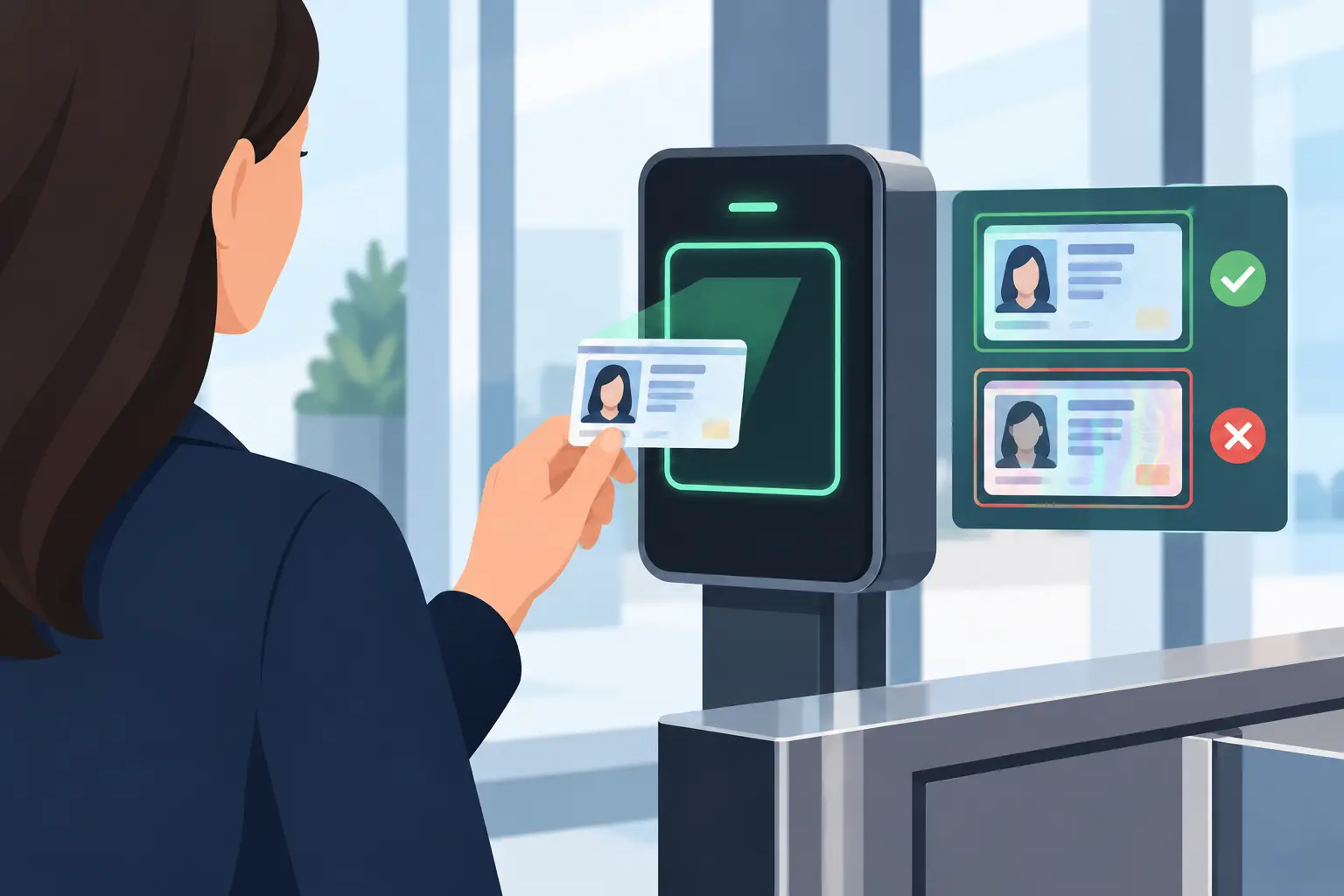
Barcode data can also be useful, but scanning a barcode alone is not proof that the physical document is authentic. Counterfeiters can encode information that matches the printed card. Effective ID screening combines data extraction with document-security analysis and a human comparison of the customer to the photo.
For dealerships serving customers across state lines, this matters even more. Employees cannot be expected to memorize the current design features of every U.S. and Canadian license. A purpose-built scanner can standardize the check by reading the document and analyzing multiple security indicators for signs of suspicious or fake IDs.
The Process Change That Reduced Exposure
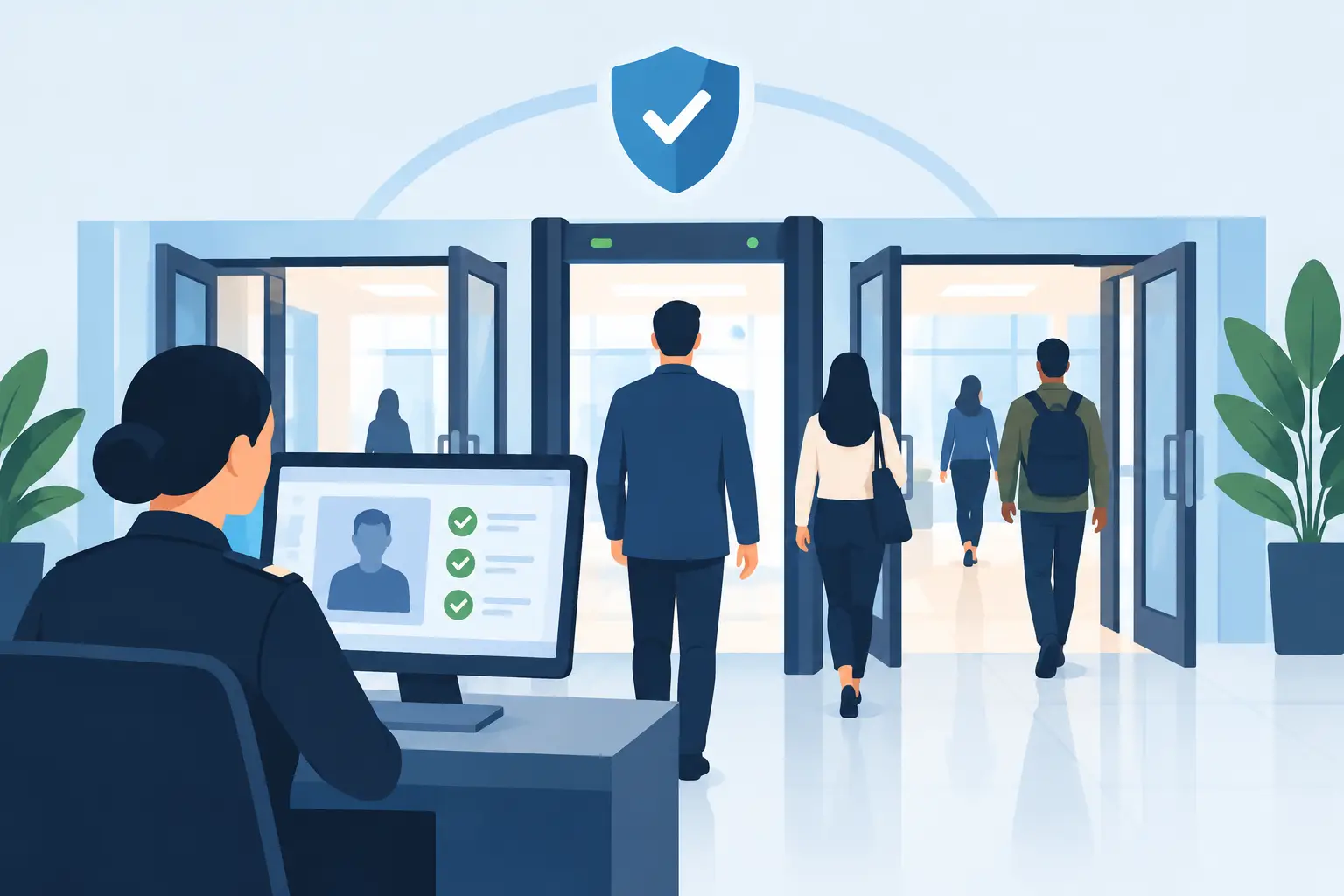
After the incident, the dealership rebuilt its vehicle-release procedure around identity verification. Its goal was not to create friction for every shopper. It was to make the right action automatic when a person wanted access to a vehicle, customer account, financing application, or sensitive paperwork.
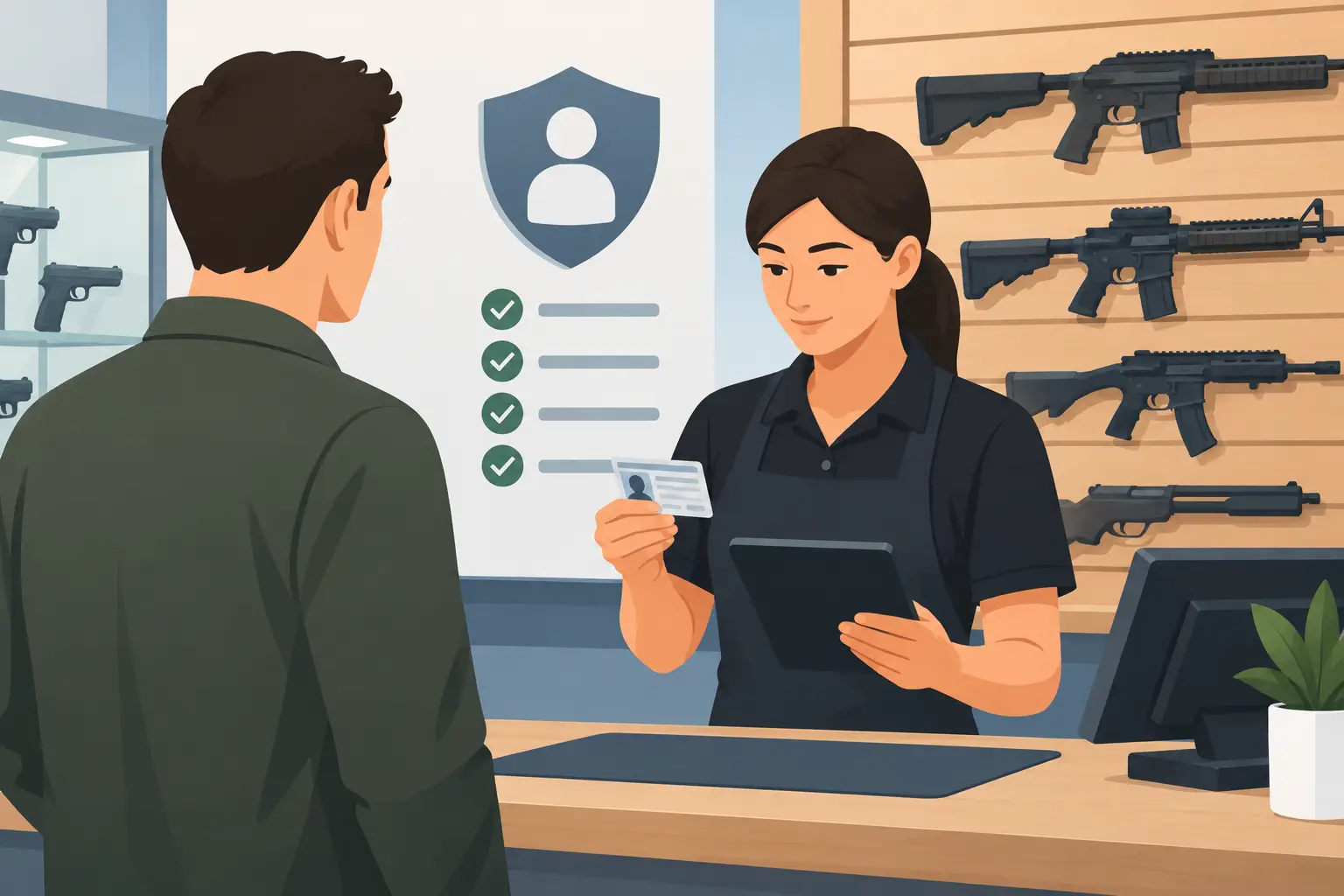
First, every test drive required an ID scan before keys could be released. The scan was performed at the desk, not after the customer had already been handed keys or directed to the lot. Staff compared the scan result, printed information, and photo to the person present.
Second, the dealership defined a simple exception workflow. A scan that flagged a concern did not automatically mean the customer was accused of fraud. It meant the transaction paused for a manager to review the document, request a second government-issued ID where appropriate, and confirm the next step. The tone remained professional and consistent: this is the dealership’s vehicle-access policy, applied to everyone.
Third, managers separated necessary verification data from unnecessary data. The dealership retained only what its internal policy, lender requirements, and applicable laws required. This reduced the risk of turning a fraud-prevention tool into an uncontrolled repository of customer information.
A scanner such as Kred can support this type of workflow by providing instant age and identity verification, suspicious-ID detection based on more than 60 security indicators, and offline operation when a connection is unavailable. For a multi-location dealer group, optional cloud synchronization can help authorized teams recognize prior alerts across devices. For a single store, core scanning can remain local without a mandatory subscription.
A Better Response Protocol for Suspicious IDs
Technology works best when staff know exactly what happens after an alert. The dealership adopted a short protocol for any questionable document:
- Pause the test drive, credit application, title transfer, or delivery process before keys, vehicle access, or sensitive documents change hands.
- Ask a manager to review the ID and compare the customer to the portrait in a neutral, private manner.
- Request an additional form of verification when policy permits, rather than trying to debate the document’s authenticity at the counter.
- Document the event according to company policy, including the employee, time, vehicle involved, and reason for escalation.
- If there is a credible safety concern, attempted theft, or suspected criminal conduct, follow the dealership’s security and law-enforcement procedures.
The wording matters. Staff should not tell a customer, “Your ID is fake,” based solely on a device alert. A more controlled response is, “Our verification process needs a manager review before we can proceed.” This protects the dealership while avoiding unnecessary confrontation.
Privacy Is Part of Fraud Prevention
Dealerships collect sensitive information by necessity. That does not justify collecting everything, retaining it forever, or making it available to more employees than needed. Excess data can become its own fraud risk if a device, email account, or shared drive is compromised.
The right configuration depends on the use case. A test-drive desk may only need verification status and a limited audit record. A finance transaction may require additional documentation under lender and legal obligations. These workflows should not be treated the same.
Look for controls that support verification-only operation, configurable retention periods, role-based access, and encrypted storage. Data minimization is not a barrier to security. It is a way to reduce the value of information exposed if something goes wrong.
What Dealership Leaders Should Measure
A new ID-verification process should be measured like any other loss-prevention control. Track how often IDs are scanned before test drives, how many transactions require manager review, how long verification takes, and whether staff follow the process during peak periods.
Also review near misses. An ID that triggers an alert but results in no loss is still valuable operational intelligence. It may reveal a training gap, a repeat attempt, or a pattern connected to a specific vehicle type, time of day, or location.
The best dealership fraud controls do not make every customer feel suspected. They make verification routine, fast, and consistent. When a high-value vehicle leaves the lot, the dealership should know who received it, whether the presented ID passed a meaningful check, and who approved the release. That is a small amount of discipline compared with the cost of recovering from one preventable loss.