Patron Screening That Protects Every Door
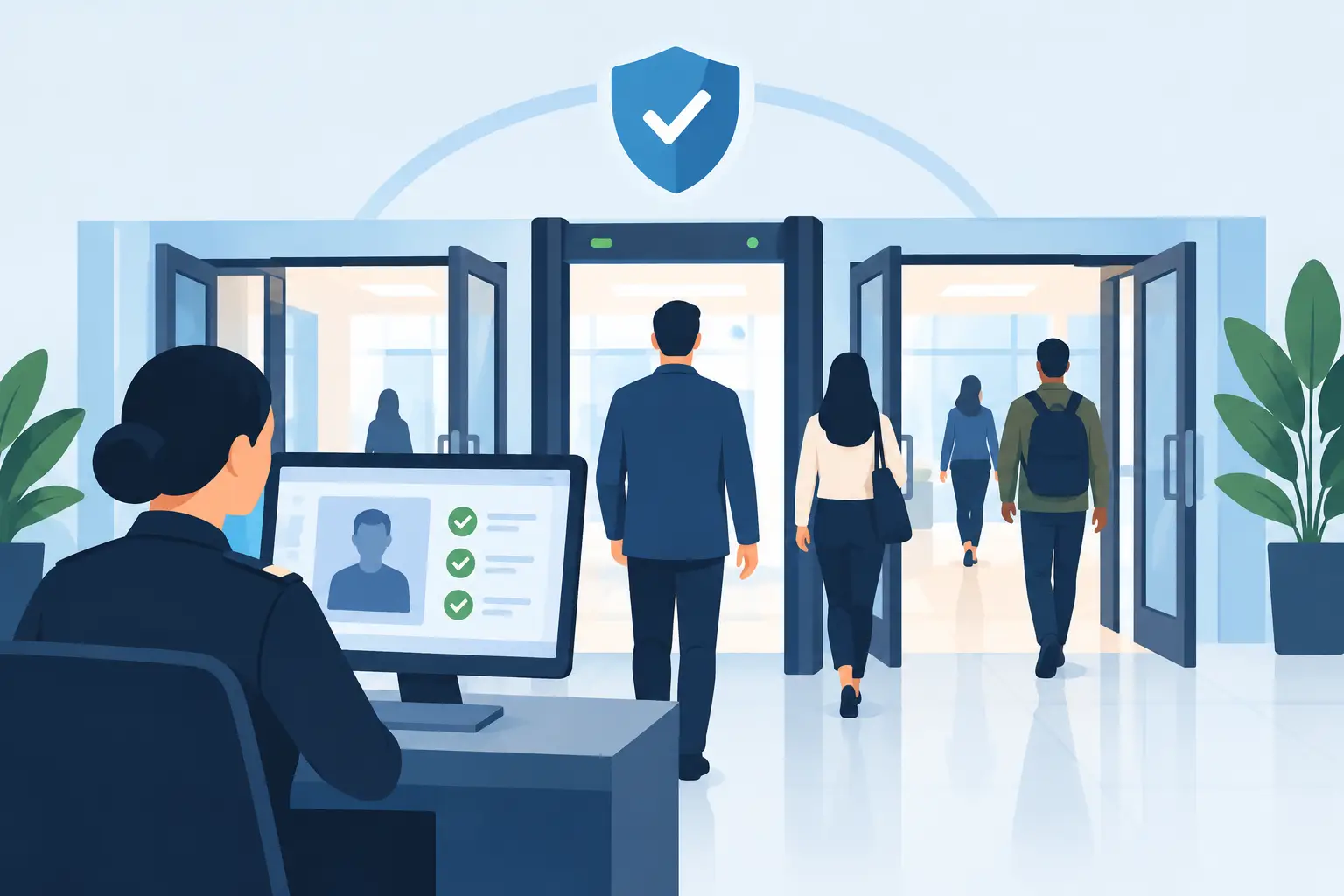
A packed entry line creates pressure for every venue: guests expect to get inside quickly, door staff need clear decisions, and one missed fake ID or repeat problem patron can create consequences long after the shift ends. Effective patron screening gives staff a consistent way to verify identity, control access, and document the decisions that protect the business.
For bars, nightclubs, dispensaries, gun shops, and other identity-critical operations, screening is not simply checking whether a guest looks old enough. It is a practical control at the point of entry. The right process helps reduce underage entry, fraud exposure, disruptive incidents, and uncertainty at the door without turning guest check-in into a bottleneck.
What Patron Screening Means in Practice
Patron screening is the process of verifying an individual's identity and eligibility before allowing entry, completing a transaction, or granting access to a restricted area. At an age-restricted venue, that usually starts with confirming legal age from a government-issued ID. Depending on the operation, it can also include detecting suspicious credentials, identifying banned patrons, recognizing VIPs, and applying location-specific access rules.
A visual ID check still has a place. Experienced staff can spot obvious issues such as a damaged card, a mismatched photo, or behavior that warrants a closer look. But visual inspection alone is inconsistent under low light, long lines, and peak-hour pressure. Modern counterfeit IDs can reproduce surface details that are difficult to evaluate in a few seconds.
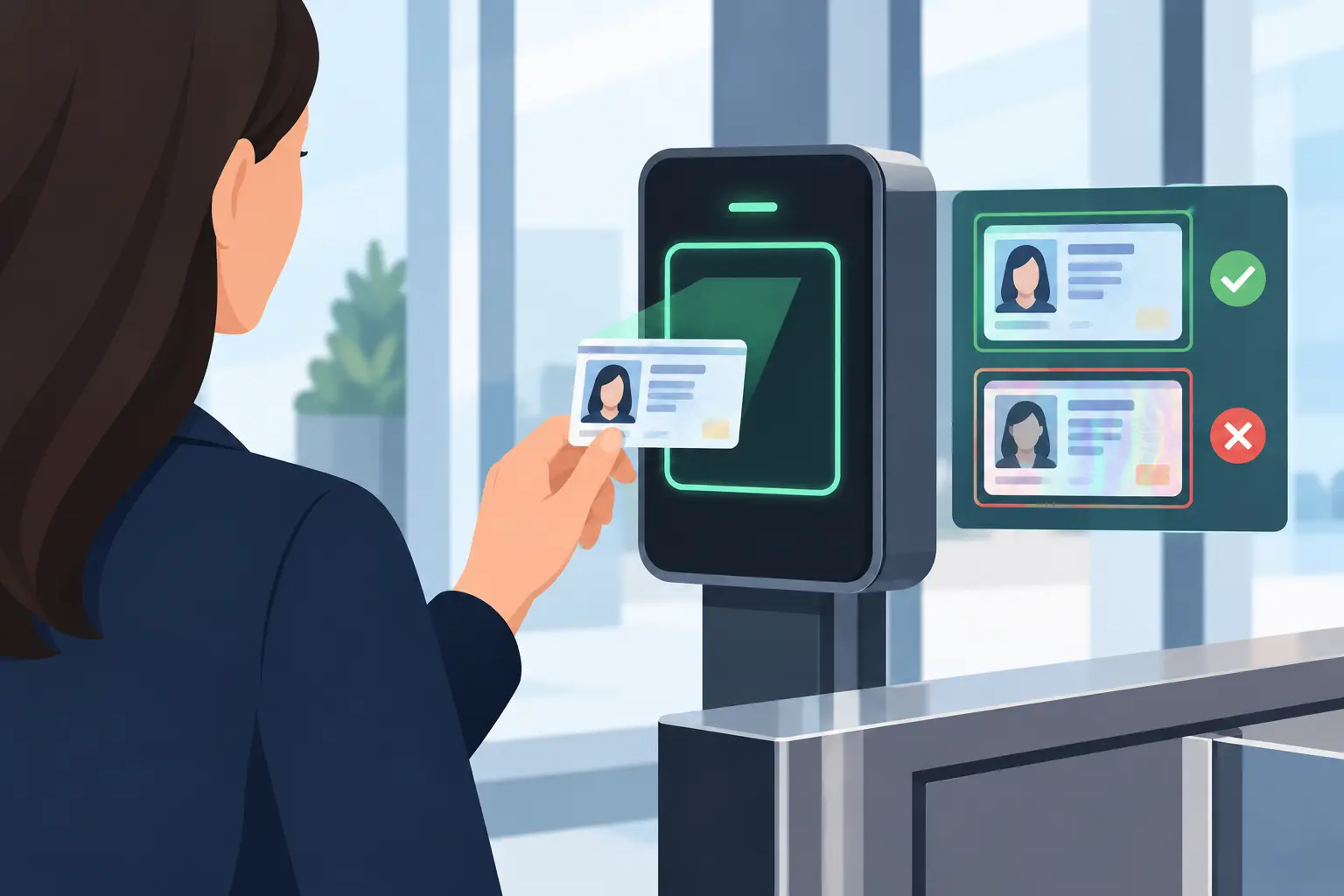
ID scanning adds a repeatable layer of verification. A purpose-built scanner reads the barcode or machine-readable zone, calculates age instantly, and can examine security indicators that help identify suspicious or potentially fake IDs. That gives staff a clearer basis for action while allowing managers to set a standard that does not depend entirely on who happens to be working the door.
The Risks a Screening Process Should Address
The correct screening setup depends on your business, local requirements, and risk tolerance. A neighborhood bar with one entrance will not need the same workflow as a multi-location nightclub group. Still, most venue operators are trying to control four related risks: underage access, fraudulent identification, repeat patron issues, and operational inconsistency.
Underage entry can put licenses, staff certifications, insurance relationships, and community standing at risk. A quick, defensible age-verification workflow reduces the chance that a rushed employee relies on an incomplete visual review.
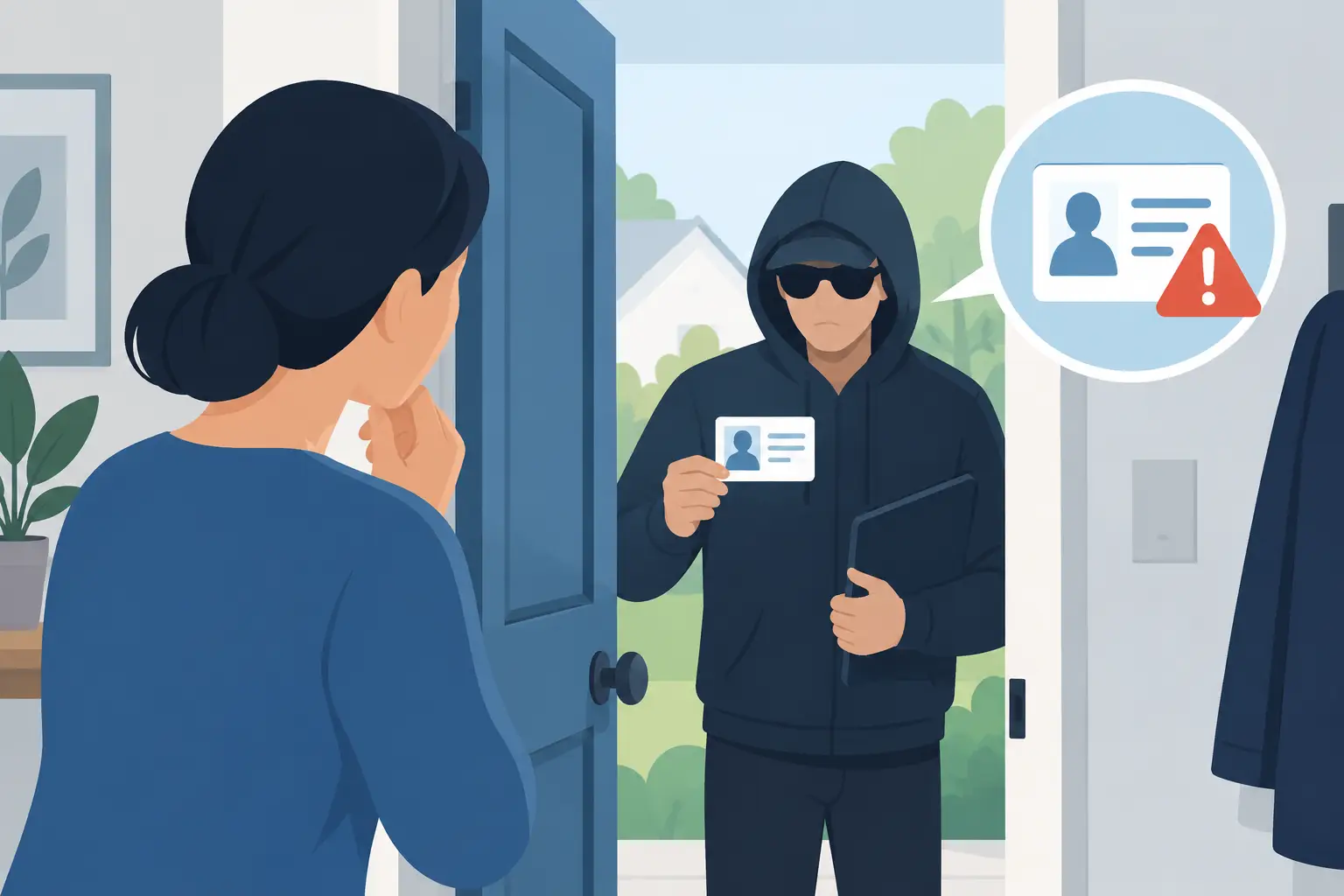
Fraud risk goes beyond a guest using someone else's ID. Counterfeit driver's licenses, altered birth dates, and IDs that pass a casual glance can all create exposure. Screening technology that evaluates multiple document security indicators gives door teams additional evidence before they approve entry or refuse service.
Repeat issues are equally operational. A patron removed for violence, threats, theft, harassment, or a serious policy violation may attempt to return on a different night or visit another location. A properly managed banned-patron alert can help staff recognize the person before the situation reaches the floor. The same system can support VIP recognition, allowing a security tool to improve hospitality as well as control access.
Build a Door Workflow Staff Can Actually Use
The strongest policy fails if it slows the line or asks staff to make complicated judgment calls. Patron screening should be simple enough to apply on the busiest Friday night and clear enough that a new door employee can follow it with confidence.
Start by defining when every guest must be scanned. Many age-restricted operators choose universal scanning because it removes appearance-based assumptions and gives staff a consistent answer when challenged. Other operations scan based on age thresholds or selected entry points. Universal scanning is often easier to enforce, but the right choice depends on local law, venue policy, traffic volume, and the level of risk you need to manage.
Next, establish the response for each result. A valid age result may mean admission. An expired, unreadable, or suspicious ID should trigger a defined secondary review, not an argument at the door. A banned-patron alert should tell staff who has authority to deny entry and when management or security backup is required.
Keep the process tight:
- Greet the guest and request the ID before entry.
- Scan the document and confirm the age and verification result.
- Follow the venue's protocol for alerts, exceptions, or failed scans.
- Record only the information your policy and applicable law require.
- Escalate refusals calmly and consistently.
The goal is not to make door staff act like document examiners. It is to give them reliable tools, clear authority, and an auditable process for handling the decisions that matter.
Plan for the real conditions at the door
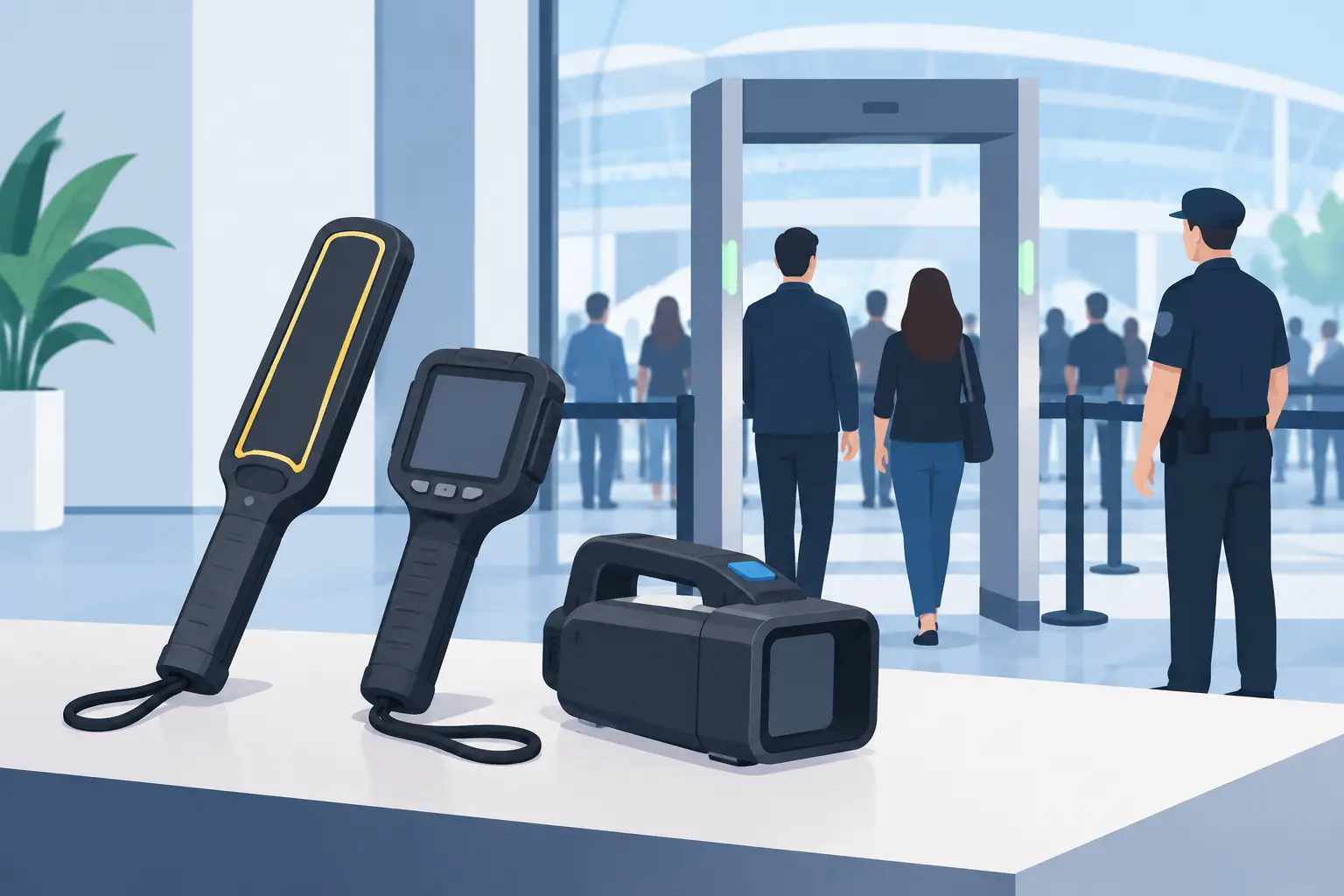
A scanner is only useful if it works where the work happens. Consider lighting, weather, battery life, queue layout, staff handoff, and internet reliability before selecting equipment. Portable hardware is often a better fit for entrances, patios, pop-up checkpoints, and events than a fixed workstation that requires a specific counter and connection.
Offline operation is especially important. Internet outages should not force a venue back to manual calculations and inconsistent visual checks. An offline-first scanner keeps core age verification available even when connectivity drops. Cloud synchronization can be valuable for sharing approved lists, banned-patron records, and operational data across devices or locations, but it should enhance the workflow rather than become a point of failure.
Privacy Is Part of Effective Patron Screening
Screening creates trust when venues can explain what they check, what they retain, and why. Collecting every available data point simply because a scanner can capture it increases liability without always improving security.
A privacy-conscious program uses data minimization. If the operational need is to confirm age, a verification-only workflow may be appropriate. If the venue needs to identify a person who was formally banned after a documented incident, retention should be limited to the information necessary for that purpose, reviewed on a defined schedule, and protected with appropriate access controls.
Operators should decide in advance who can view patron records, who can add or remove a banned status, and how long information remains in the system. Encryption matters as well. Systems using protections such as AES-256 encryption help reduce exposure, but technical safeguards do not replace sound internal policy. Managers should train staff not to share screenshots, discuss patron information casually, or use screening records for purposes outside the venue's stated policy.
State, provincial, and local rules may affect ID scanning, data retention, notice requirements, and alcohol service practices. Consult qualified legal counsel or compliance advisors for requirements that apply to your location. Technology supports a defensible process; it does not replace legal judgment or responsible service training.
Choose Technology Around the Operating Model
When evaluating a patron screening system, start with the job it must do at the door. Fast scan speed matters, but so do false-positive handling, document coverage, portability, staff usability, and the ability to operate during a connectivity outage. Ask whether the system verifies IDs from the documents your guests actually present, including driver's licenses and passports.
Also examine the commercial model. Some venues need centralized cloud tools for multiple doors or locations. Others need a standalone scanner that delivers age verification and suspicious ID detection without an ongoing mandatory software cost. A direct-purchase model with optional cloud services lets operators add synchronization when it solves a real operational need, rather than paying recurring fees for capabilities they will not use.
Kred is built around this approach: portable scanning hardware for instant age verification, suspicious ID detection, VIP recognition, and banned-patron alerts, with optional cloud synchronization for operators who need shared intelligence across devices. Core scanning remains available without requiring every venue to adopt a subscription.
Measure Whether the Process Is Working
Do not judge screening only by how many IDs are scanned. Review how often staff encounter expired, unreadable, underage, or suspicious documents. Track banned-patron alerts and the outcome of those encounters. Watch entry times during peak periods to ensure security controls are not creating unnecessary friction.
Patterns can reveal where policy or training needs adjustment. If one entrance produces frequent manual overrides, the issue may be lighting, device placement, or staff training. If several locations see repeat attempts from the same banned patrons, shared alerts may justify a cloud-enabled workflow. If staff retain more information than necessary, tighten settings and retrain the team.
The best screening process is visible in the moments it prevents: an underage guest stopped before service, a counterfeit ID flagged before entry, or a known problem patron recognized before an incident begins. Build the process for those moments, keep it usable under pressure, and your door team can protect the venue without losing control of the guest experience.