How Scanners Spot Counterfeit IDs at the Door
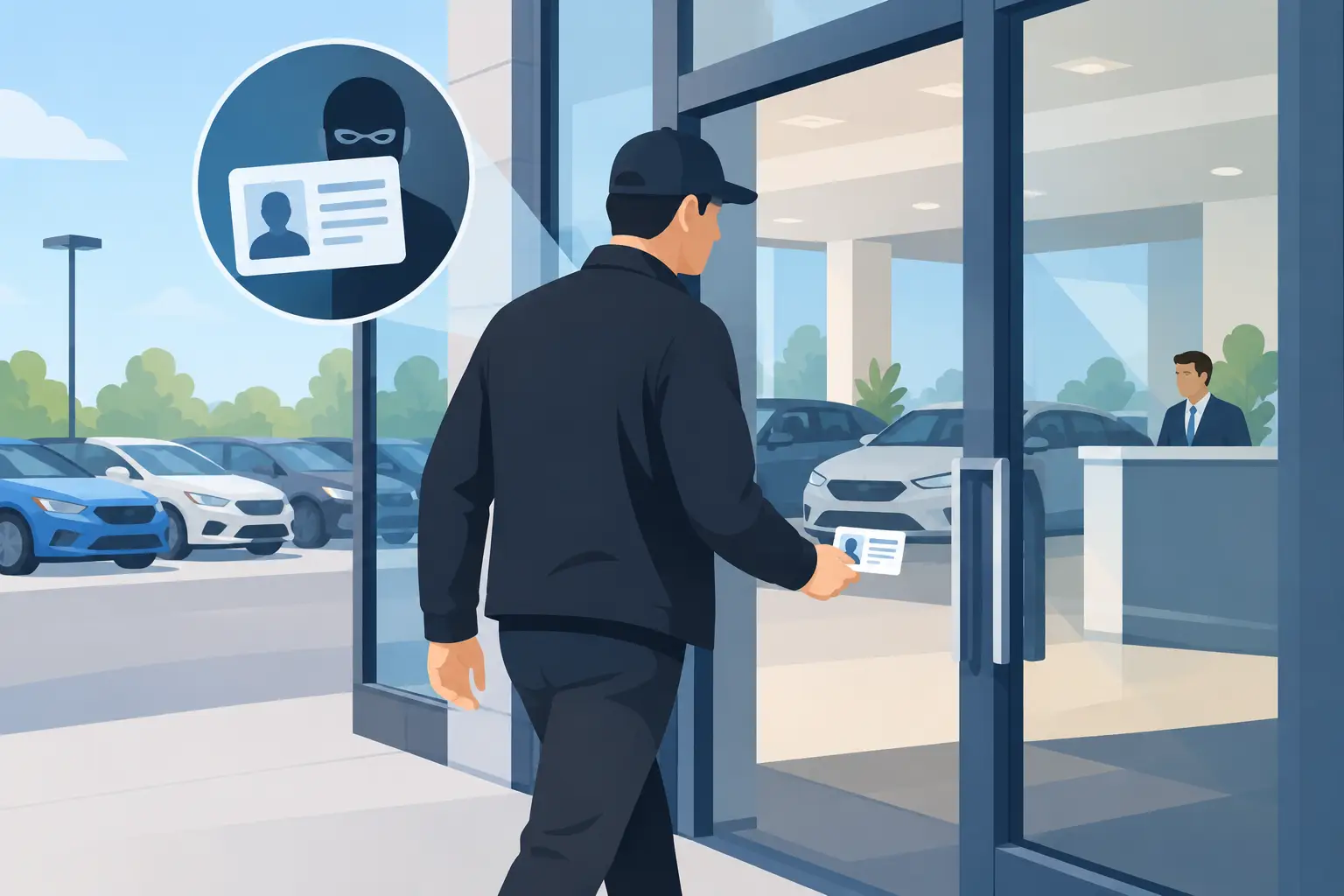
A polished fake can pass a rushed visual check, especially in a dark, crowded entry line. Understanding how scanners spot counterfeit IDs helps operators build a faster, more consistent door process without asking staff to become document-forensics experts. The scanner handles repeatable checks in seconds, while the door team makes the final operational decision.
How scanners spot counterfeit IDs
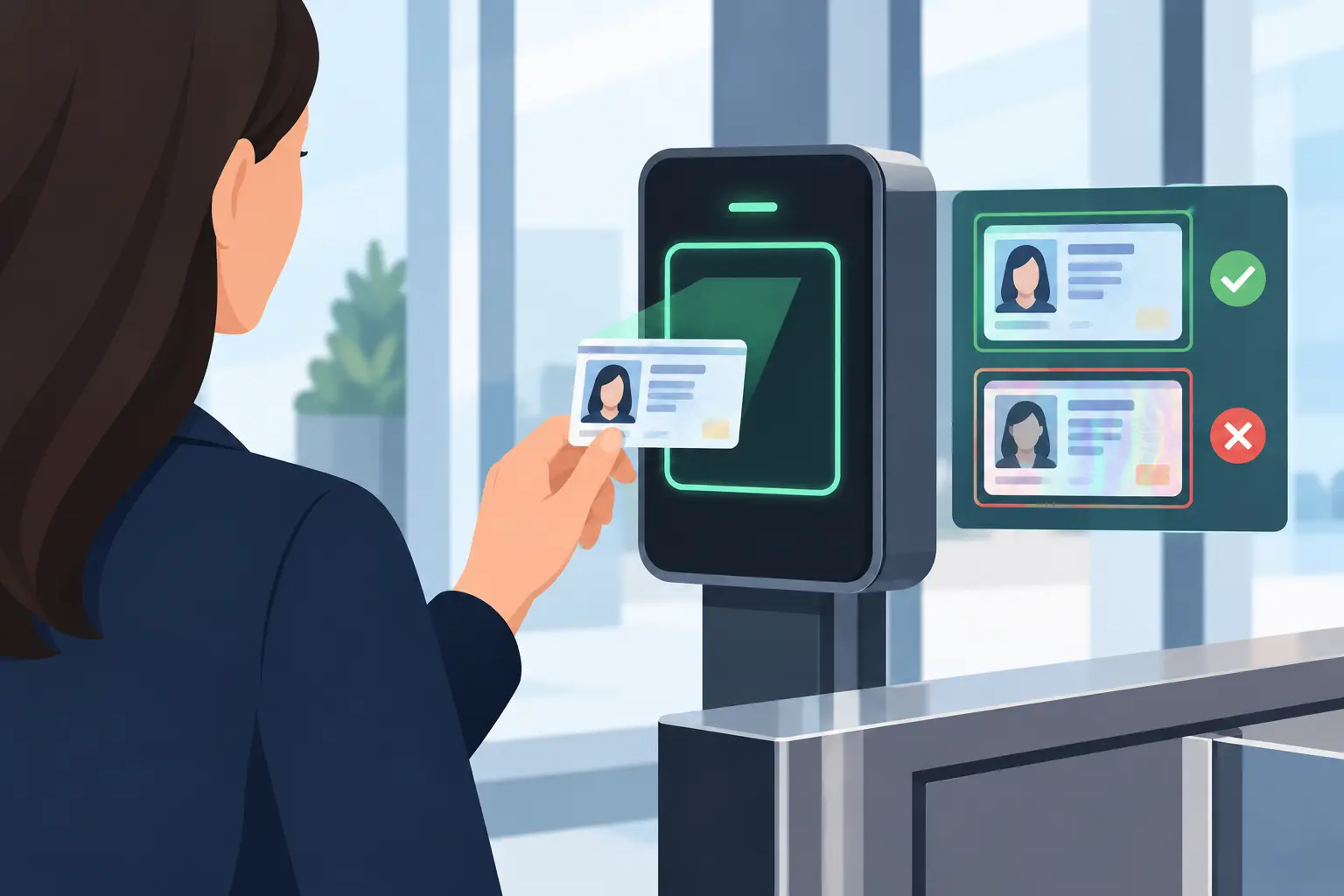
A serious ID scanner does more than read a birth date. It captures and interprets information from the document, then compares multiple signals for inconsistencies associated with altered, copied, expired, or counterfeit IDs. The strongest systems combine barcode analysis with document and security-feature checks rather than relying on one data point.
That distinction matters. A fake ID may contain a readable barcode and still be suspicious. A damaged but legitimate ID may not scan perfectly and still require a measured secondary review. The goal is not to treat every alert as proof of fraud. It is to give staff a defensible reason to pause, inspect, and follow venue policy before granting access or completing a regulated transaction.
Barcode decoding and data validation
Most U.S. driver's licenses and many Canadian identity documents include a machine-readable PDF417 barcode on the back. When scanned, that barcode can provide the holder's name, date of birth, document number, expiration date, and issuing jurisdiction.
The first control is basic but valuable: instant age verification. Instead of calculating a birthday under pressure, staff see whether the customer meets the required age on that date. The scanner can also flag an expired document or one that is not valid until a future date.
More advanced validation examines whether the barcode data is structured as expected for the issuing jurisdiction. State and provincial formats differ. A scanner can identify malformed fields, missing required data, invalid dates, or formatting that does not match the expected document standard. These are common warning signs on cheaply produced or poorly encoded fakes.
Barcode data alone is not enough. Counterfeiters can copy data from a real ID, generate a barcode that appears plausible, or use a barcode from one document on the face of another. A venue that treats a successful barcode read as automatic approval leaves an avoidable gap in its entry controls.
Cross-checking the front of the ID
Quality counterfeit detection looks for agreement between the barcode and the visible document. The printed name, date of birth, license number, expiration date, portrait, and jurisdiction should make sense together. A mismatch can indicate an altered ID, a swapped barcode, or a document assembled from copied elements.
For example, an ID may show a valid-looking photo and birth date on the front but return a different name or date of birth when scanned. It may scan as a different state than the one printed on the card. Those discrepancies are operationally useful because they move the interaction from a quick approval to a documented secondary check.
The person presenting the ID also matters. A scanner can assess the document, but staff should compare the photo, apparent age, and physical details with the customer. Facial comparison remains one of the most practical controls against borrowed IDs.
Reading document security indicators
Government IDs are designed with layers of security features that are difficult to reproduce consistently. Depending on the scanner and document type, analysis can include optical and data-based checks across features such as print quality, layout, fonts, microprinting, holographic elements, ultraviolet or infrared responses, and expected placement of visual details.
Kred scanners analyze more than 60 security indicators to identify suspicious or fake IDs. This approach matters because sophisticated fakes often get one or two features right. They may have a convincing card stock and photo but fail on barcode structure, fine-print detail, image placement, or other document-specific markers.
No two jurisdictions use identical designs, and IDs are periodically redesigned. Effective screening technology must recognize a wide range of current documents while accounting for legitimate variation. That is why operators should avoid rules based on one visible cue, such as “the hologram looks wrong.” A suspicious result is strongest when multiple indicators point in the same direction.
What a suspicious scan result means at the door
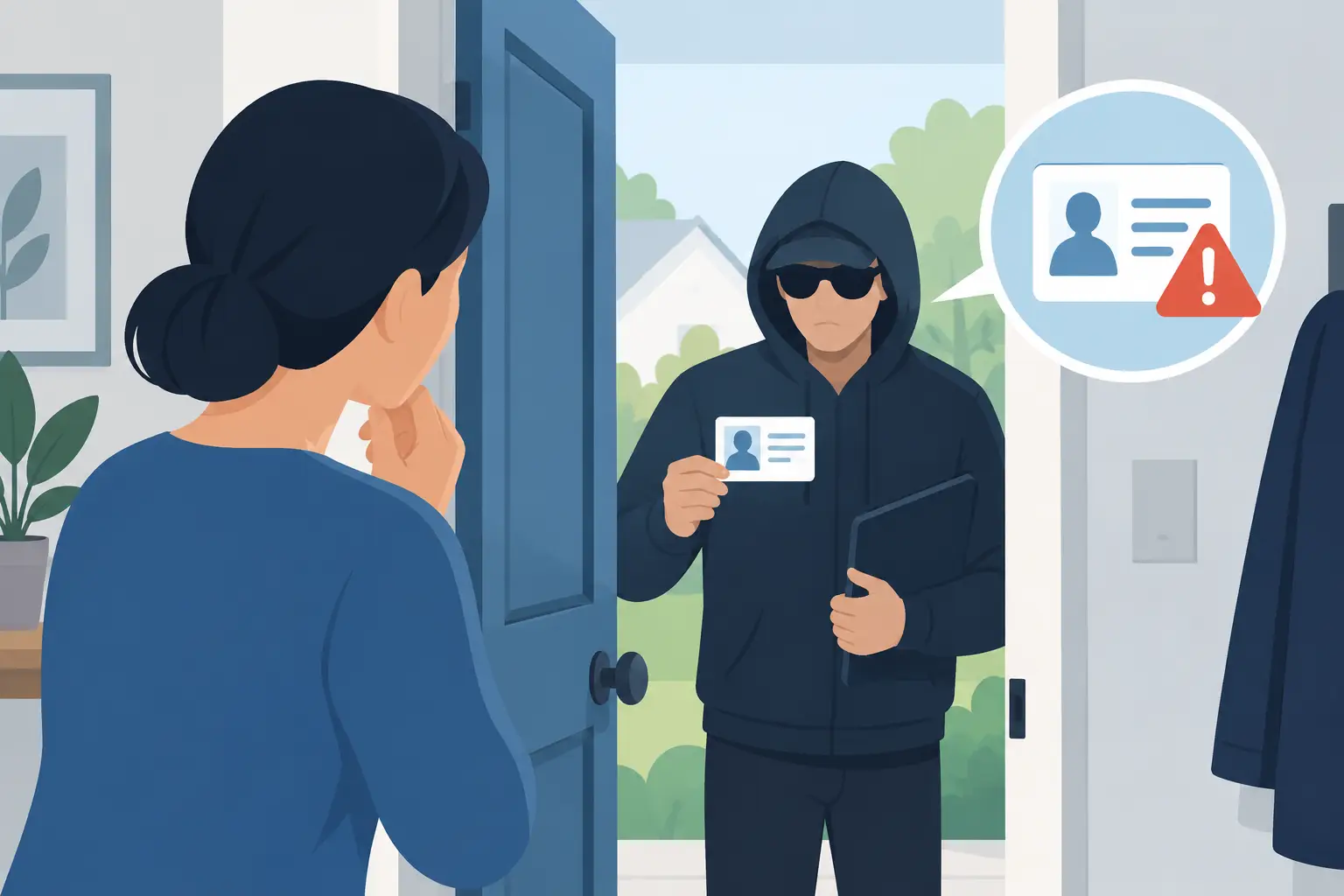
A scanner alert is a risk signal, not a reason for staff to argue with a customer. The correct response depends on venue policy, local law, the type of alert, and the stakes of the transaction. A nightclub managing a high-volume line may handle a questionable ID differently than a dispensary, gun shop, or healthcare facility completing a regulated identity check.
Staff need a simple process they can apply consistently:
- Pause the transaction or entry decision without escalating the interaction.
- Review the ID against the scan result and compare the photo to the presenter.
- Ask a supervisor for a second review when policy requires it.
- Decline entry or service when the document cannot be verified to the venue's standard.
Consistency protects the business. It reduces the chance that an employee makes an exception because the line is long, the customer is persuasive, or a manager is unavailable. It also helps demonstrate that the venue used a reasonable verification process if an underage-service, fraud, or compliance issue is later questioned.
Speed matters, but so does the review path
The best door workflow is not the one with the most alerts. It is the one that catches meaningful risk without slowing legitimate customers unnecessarily. A scanner should return clear age and document results quickly, then give staff an easy escalation path for exceptions.
False positives and unreadable documents are part of real-world operations. Scratched barcodes, glare, bent cards, and outdated ID designs can interfere with scanning. Train staff to retry the scan, scan both sides when required, inspect the physical card, and use the venue's secondary-verification policy. Do not let an unreadable scan become an automatic acceptance or automatic accusation.
For busy venues, hardware reliability is part of fraud prevention. If the system only works with a stable internet connection, the door can fall back to manual judgment during an outage - precisely when staff are under pressure. Offline-first scanning keeps age verification and suspicious-ID screening available even when connectivity is disrupted. Cloud tools can still add value for multi-location patron intelligence and synchronized banned-patron alerts, but core verification should not stop when Wi-Fi does.
Counterfeit detection is only one layer of access control
A legitimate ID does not automatically mean a low-risk customer. The document may belong to someone else, the person may be on a venue's banned list, or prior incidents may require staff awareness. That is why many operators combine ID verification with patron management controls, including VIP recognition and alerts for previously barred individuals.
The reverse is also true: collecting more personal information than necessary can create unnecessary privacy exposure. For a straightforward age check, verification-only mode may be appropriate. Where records are needed for an incident, compliance workflow, or repeat-patron management, retention periods should be configured deliberately. Access controls, encryption, and clear internal procedures matter as much as detection accuracy.
A practical policy defines who can access scan data, what gets retained, how long it is retained, and when staff may search or export records. These controls help operators protect both the venue and legitimate customers while keeping the system focused on its purpose: safer, compliant entry decisions.
Where scanners have limits
ID scanners are powerful screening tools, not a substitute for staff judgment, legal counsel, or local compliance procedures. They cannot guarantee that every document is genuine, and they cannot reliably resolve every identity question without a clear image, readable data, and an appropriate document database or feature set.
Their effectiveness also depends on setup and training. Staff must know how to position the document, recognize an alert, handle a rescan, and escalate without creating conflict at the door. Managers should periodically review exception rates, failed scans, and incidents to identify whether the issue is document quality, staff practice, lighting, hardware placement, or attempted fraud.
The most effective ID program makes the correct decision easy under pressure. Give staff instant age verification, meaningful suspicious-ID signals, a calm exception process, and reliable operation when the line is moving. That is how a scanner becomes more than a device at the door - it becomes a practical control for protecting the license, the team, and the business.