Top ID Fraud Warning Signs at Your Door
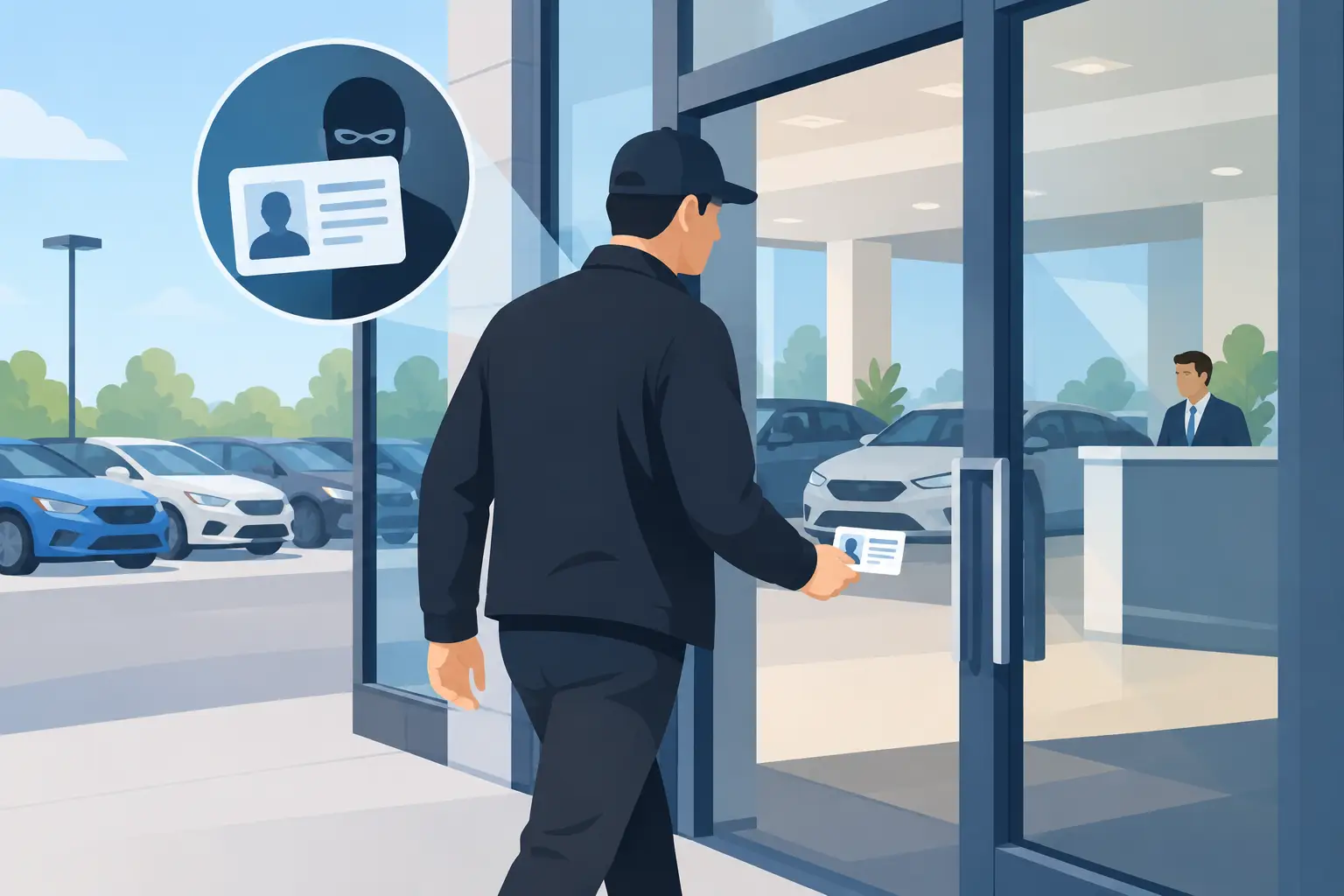
A busy door creates the conditions fraudsters want: low light, loud music, a line that needs to move, and staff who are expected to make a decision in seconds. The top ID fraud warning signs are rarely one obvious flaw. More often, they are small inconsistencies in the document, the scan result, and the patron's behavior that do not add up.
For bars, clubs, dispensaries, gun shops, and other identity-critical businesses, a missed fake ID can create more than an awkward interaction. It can expose the operation to underage sales, regulatory action, loss of license, chargebacks, theft, and avoidable safety issues. The right response is not to turn the door into an interrogation. It is to give staff a consistent screening process backed by reliable ID verification.
Top ID Fraud Warning Signs Staff Can Catch
1. The photo does not match the person presenting it
Start with the person, not just the card. Look at facial structure, age, hairline, eyes, and other features that are harder to change than hairstyle, makeup, or facial hair. A hesitant glance at the photo is not enough. Door staff should make a deliberate comparison before moving on.
A photo mismatch can indicate a borrowed ID, which is still a major compliance problem even when the document itself is genuine. Be careful not to rely on one feature alone. Weight changes, aging, glasses, and cosmetic changes happen. The question is whether the overall identity is credible.
2. The date of birth or expiration date looks altered
Fraudsters often target the fields that determine whether they can enter or buy. Warning signs include uneven type, numbers that sit too high or low in a field, blurred printing, unusual spacing, or a date area with a different finish from the rest of the card.
Run a fingertip lightly across the surface when appropriate. A raised area, rough patch, or inconsistent laminate can suggest that a date was physically changed. But visual inspection has limits. Modern counterfeit IDs can reproduce surface details well, especially in a dark entry environment. That is why a document that looks acceptable still needs a scan when compliance matters.
3. The barcode result does not match the front of the ID
A barcode mismatch is one of the clearest indicators of fraud. The printed date of birth, name, or ID number should align with the data encoded on the barcode or machine-readable zone. If the card says one thing and the scan returns another, do not treat it as a minor data-entry issue.
Some fakes use a legitimate barcode format with altered visual information. Others contain barcode data that is copied from a different person. Either way, the discrepancy gives staff an objective reason to refuse entry or escalate the interaction under venue policy.
4. Security features are missing, weak, or inconsistent
Government-issued IDs contain layered security features that are difficult to reproduce accurately. Depending on the jurisdiction and document type, these can include holograms, microprint, ultraviolet elements, ghost images, tactile features, laser engraving, and variable patterns that change when the card is tilted.
Staff should know what commonly issued IDs in their market are supposed to look like, but memorization alone does not scale across states, provinces, passports, and frequent design updates. A scanner that analyzes multiple security indicators provides a more consistent control than asking every employee to become a document expert. Kred scanners analyze more than 60 security indicators while delivering instant age verification, giving teams a practical second layer when the line is moving fast.
5. The card stock, edges, or laminate feel wrong
Authentic IDs are manufactured to a standard. Counterfeits often reveal themselves through physical quality: edges that separate, a laminate that bubbles or peels, unusually thick or thin card stock, corners that are poorly cut, or a surface that feels soft and flexible when it should be rigid.
This check is useful, but it is not conclusive. A genuine ID can be worn, heat-damaged, or cracked after years in a wallet. Treat physical irregularities as a reason to inspect further, not automatic proof that the card is fake.
6. The patron is trying to control the interaction
Behavior does not prove fraud, and staff should avoid making decisions based on nervousness, appearance, accent, or other subjective impressions. Still, certain actions are operational red flags when they occur alongside document inconsistencies.
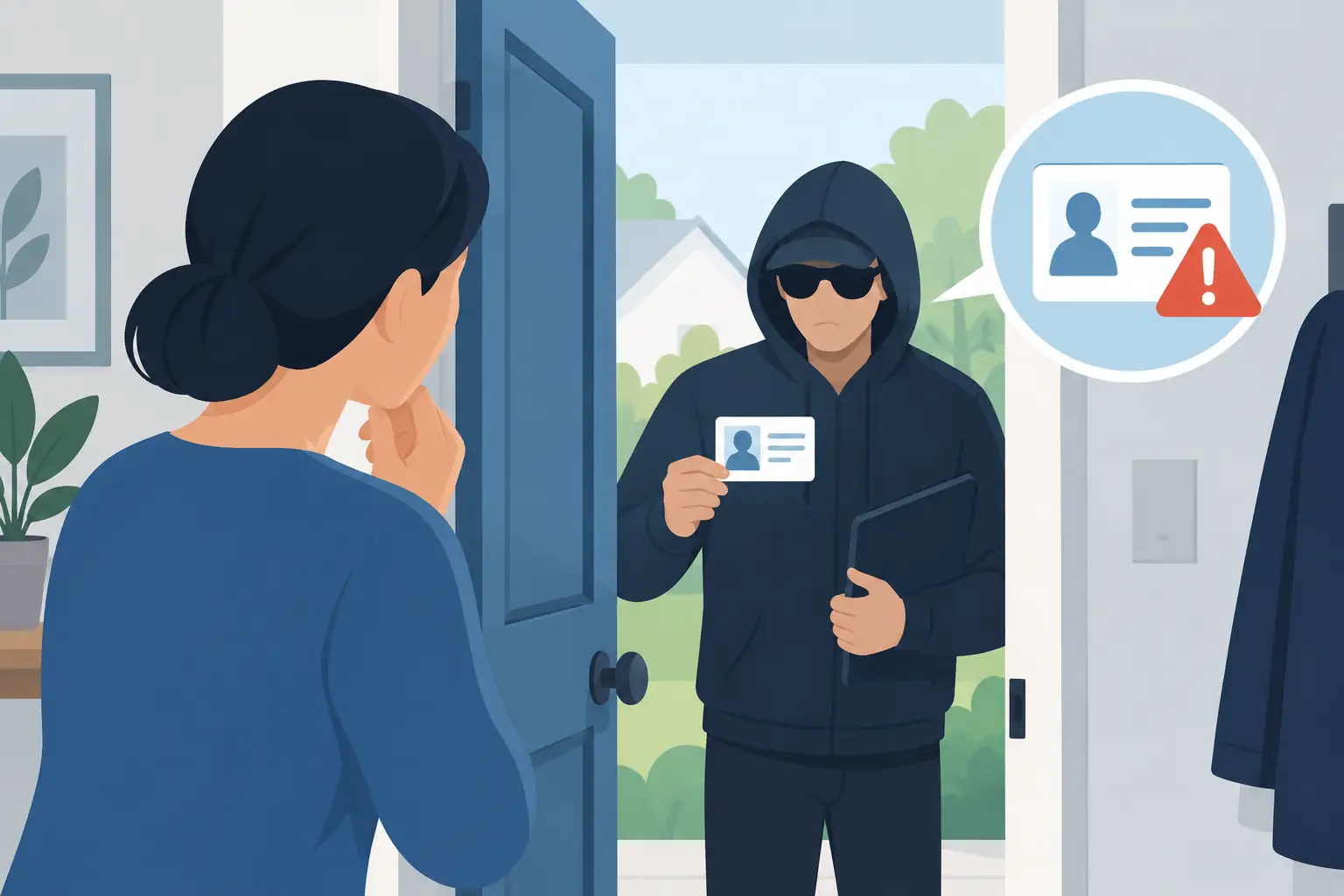
Watch for patrons who keep a thumb over key information, refuse to hand over the ID, rush the staff member, pressure them with a growing group, or immediately ask for a manager before the ID has been reviewed. Another common tactic is distraction: presenting multiple cards, a phone, cash, or a story at the same time the staff member is checking the document.
The best response is calm and procedural. Ask the patron to place the ID in the staff member's hand or on the scanner, complete the check, and follow the same policy every time. Consistency protects the employee as much as it protects the venue.
Why Visual Checks Alone Create Gaps
Experienced door staff can spot many bad IDs, but visual inspection depends on lighting, training, fatigue, and the volume of people arriving at once. It also places the burden on individual judgment. Two employees can look at the same sophisticated counterfeit and reach different conclusions.
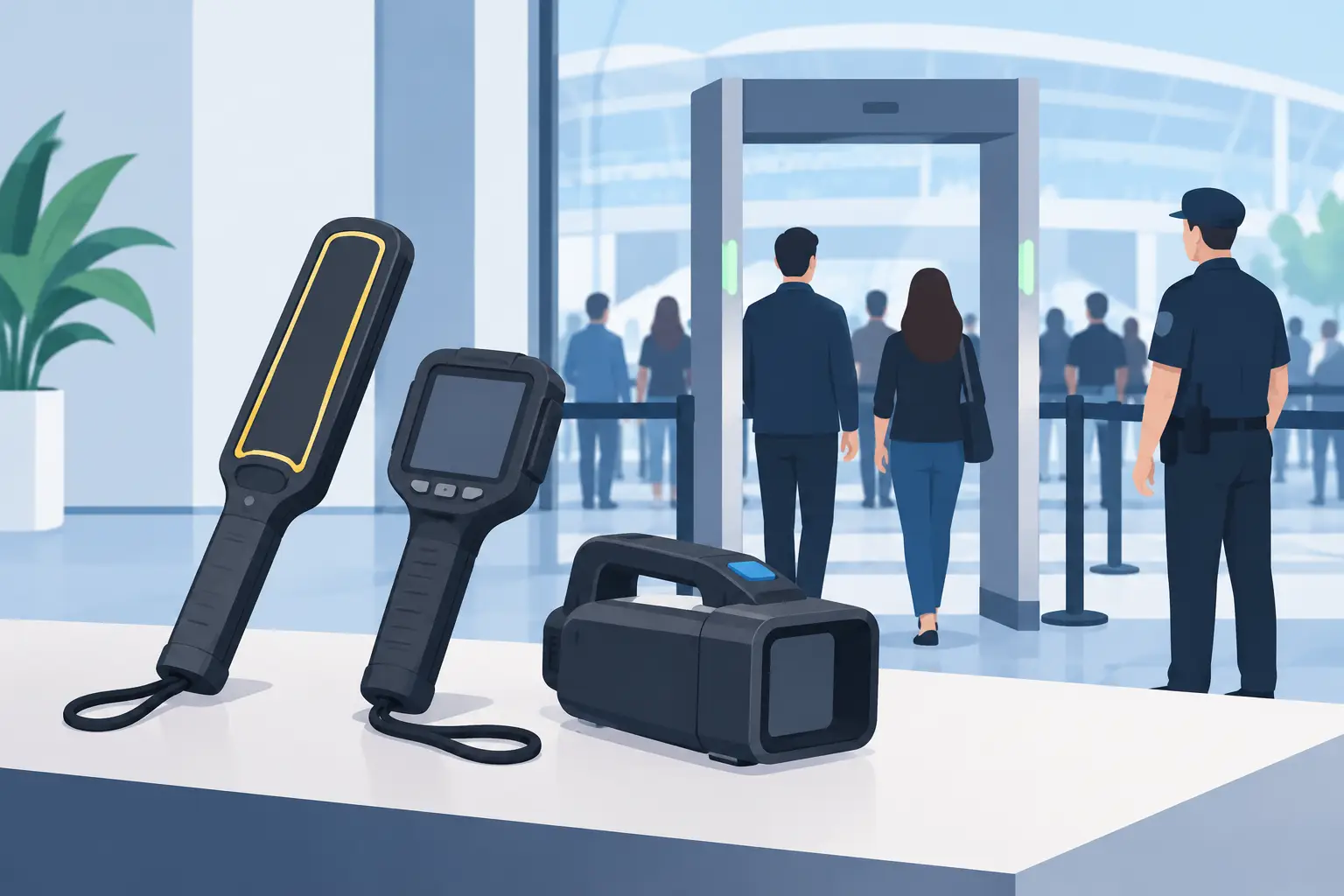
A purpose-built ID scanner adds repeatability. It can validate age, read encoded data, flag suspicious document characteristics, and reduce the chance that a rushed employee waves through a questionable ID. For multi-device or multi-location teams, cloud synchronization can also help operators recognize banned patrons and VIPs without relying on memory or paper lists.
Connectivity should not be a single point of failure. Venues still need to verify IDs during Wi-Fi outages, in outdoor lines, or in locations with unreliable service. An offline-first device keeps the core verification workflow available when it is needed most. Cloud tools are valuable for synchronized intelligence, but the door should not stop working when the internet does.
A Practical Escalation Process for Questionable IDs
When a warning sign appears, staff need a simple process they can execute without disrupting the line. First, pause the transaction or entry decision and take a second look at the document and scan result. Next, compare the photo to the person and confirm that key data fields align.
If the concern remains, involve a manager or designated supervisor rather than debating the patron at the door. The employee can state the policy plainly: the ID could not be verified, so entry or sale cannot proceed. Avoid accusations unless your organization has a specific protocol and the facts support it. Calling someone a criminal based on a suspicion can create unnecessary conflict.
Document the incident according to your retention policy. The right approach depends on your jurisdiction, legal guidance, and the type of business you operate. Many venues benefit from verification-only workflows or configurable retention settings that support compliance needs without holding more personal data than necessary. Privacy discipline matters: collect what you need to make a defensible access decision, secure it, and retain it only as long as policy requires.
Train for consistency, not confrontation
The strongest fraud program is not built on a single device or a single experienced bouncer. It combines clear rules, repeatable scanning, supervisor support, and periodic training on current ID designs and common fraud tactics.
Run short practice sessions before peak nights. Give staff examples of altered dates, barcode mismatches, borrowed IDs, and damaged genuine documents. Make it clear when they may refuse entry independently and when they should escalate. This reduces hesitation, prevents uneven enforcement, and keeps the team focused on the same standard.
A professional door operation does not need to be hostile to be firm. When staff can verify identity quickly, explain decisions without improvising, and keep working during an outage, fraud becomes harder to exploit and legitimate patrons move through with less friction. That is the standard worth building into every shift.