How to Screen Altered Licenses at the Door

A license can pass a quick glance and still be altered. At a busy door, that gap creates exposure: underage entry, unlawful sales, chargebacks, incidents, and scrutiny from regulators. Knowing how to screen altered licenses means giving staff a fast, repeatable process that catches inconsistencies before a patron enters or a transaction is completed.
This is not about turning door staff into forensic document examiners. It is about combining basic physical inspection, informed questioning, and ID-scanning technology so decisions are consistent when the line is long and the pressure is high.
What an altered license can look like
An altered license started as a legitimate document but has been changed to misrepresent the holder's age or identity. Unlike a fully counterfeit ID, it may contain authentic state-issued materials, security features, and barcode data. Common alterations include changed dates of birth, replaced photos, modified expiration dates, or swapped personal information.
That distinction matters operationally. A card may feel real because much of it is real. It may also scan a barcode that appears valid because the barcode was not changed along with the visible information. Staff should never treat one successful check as a complete clearance.
The most common objective is simple: make a minor appear old enough to buy alcohol, enter a restricted venue, purchase regulated products, or complete an identity-sensitive transaction. Altered IDs are also used for impersonation, account fraud, and access to restricted areas. Your screening process should be built around the risks specific to your operation.
Start with a controlled handoff
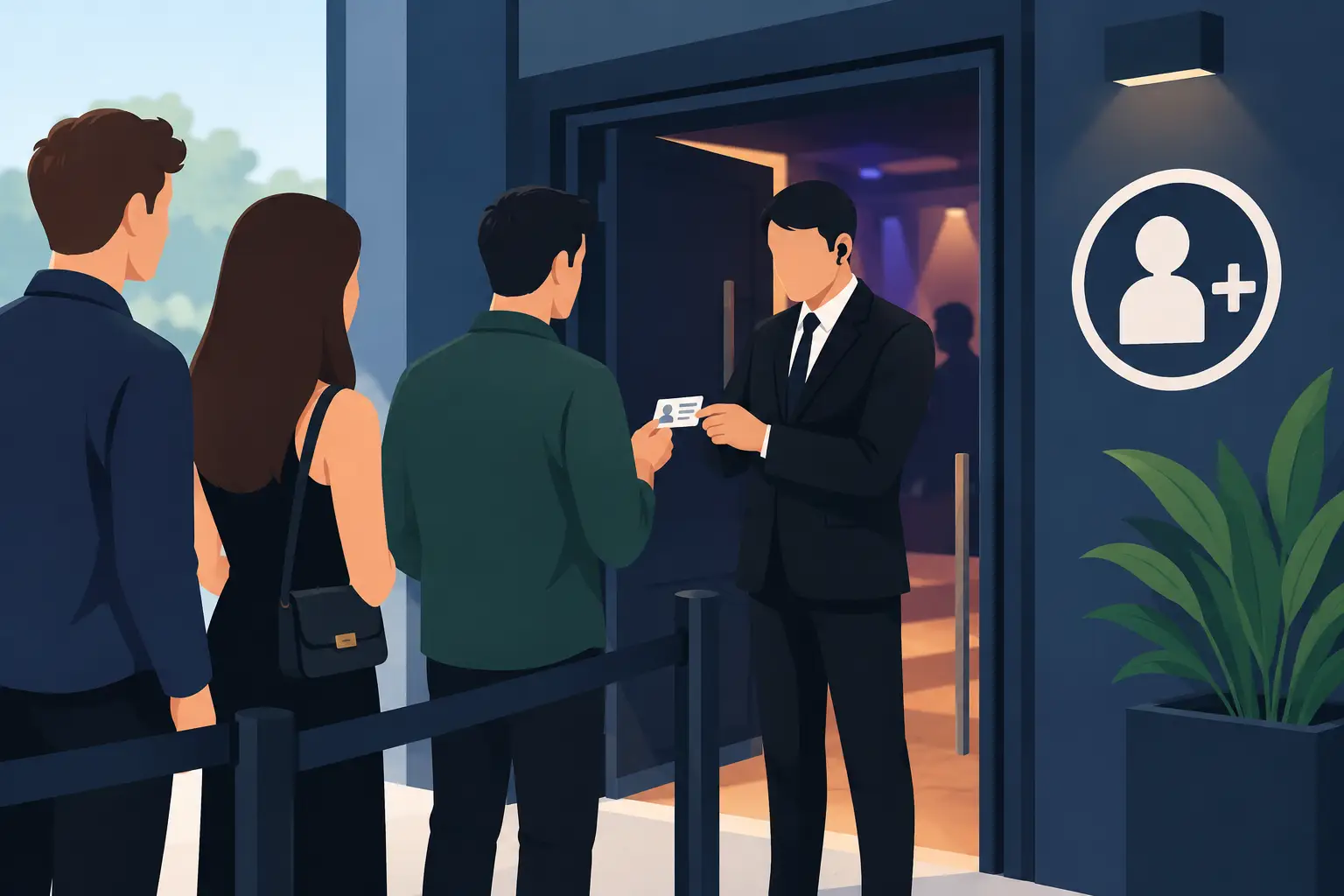
The screening process begins before anyone studies the card. Ask the patron to remove the license from their wallet or phone case and hand it over. A clear view of the full card makes it harder to hide lifted laminate, cut edges, or other physical changes.
Hold the ID under normal lighting, then tilt it. Look at the front and back rather than focusing only on the birth date. A rushed check that reads the date and waves someone through is exactly what altered-ID users expect.
Staff should compare the person to the photograph first. Pay attention to facial structure, eyes, nose, ears, and distinctive features that are harder to dismiss than hair color, makeup, or a changed hairstyle. If the photo does not reasonably match the holder, stop the transaction or entry process according to venue policy.
Check the card for physical tampering
A legitimate driver's license is manufactured as a single security document. Alterations often leave evidence at the surface, edges, or laminate. Train staff to look for signs, not just one dramatic defect.
Look for uneven or cloudy laminate, bubbling, lifted corners, scratches around the photo or date of birth, and areas that reflect light differently from the rest of the card. Examine whether text is sharp and evenly aligned. A changed date may have different font weight, spacing, color density, or print quality than nearby text.
Pay particular attention to the portrait. A photo substitution can leave visible seams, disturbed laminate, adhesive residue, or a different texture around the image. On licenses with tactile features, raised lettering or symbols should feel consistent across the card. Missing or irregular tactile elements deserve a closer review.
Check the edges as well. A card that has been split apart and reassembled may show unusual thickness, separation, rough trimming, or inconsistent layers. Do not bend, puncture, or damage a customer's ID. Your job is to identify reasonable signs of tampering, not to destroy evidence.
State designs change frequently, so staff should not rely on memory alone for every visual feature. Keep current reference materials available for the states and provinces your location commonly sees. This is especially useful for multi-state nightlife districts, border markets, and destinations with heavy tourism.
Compare the visible data to the barcode
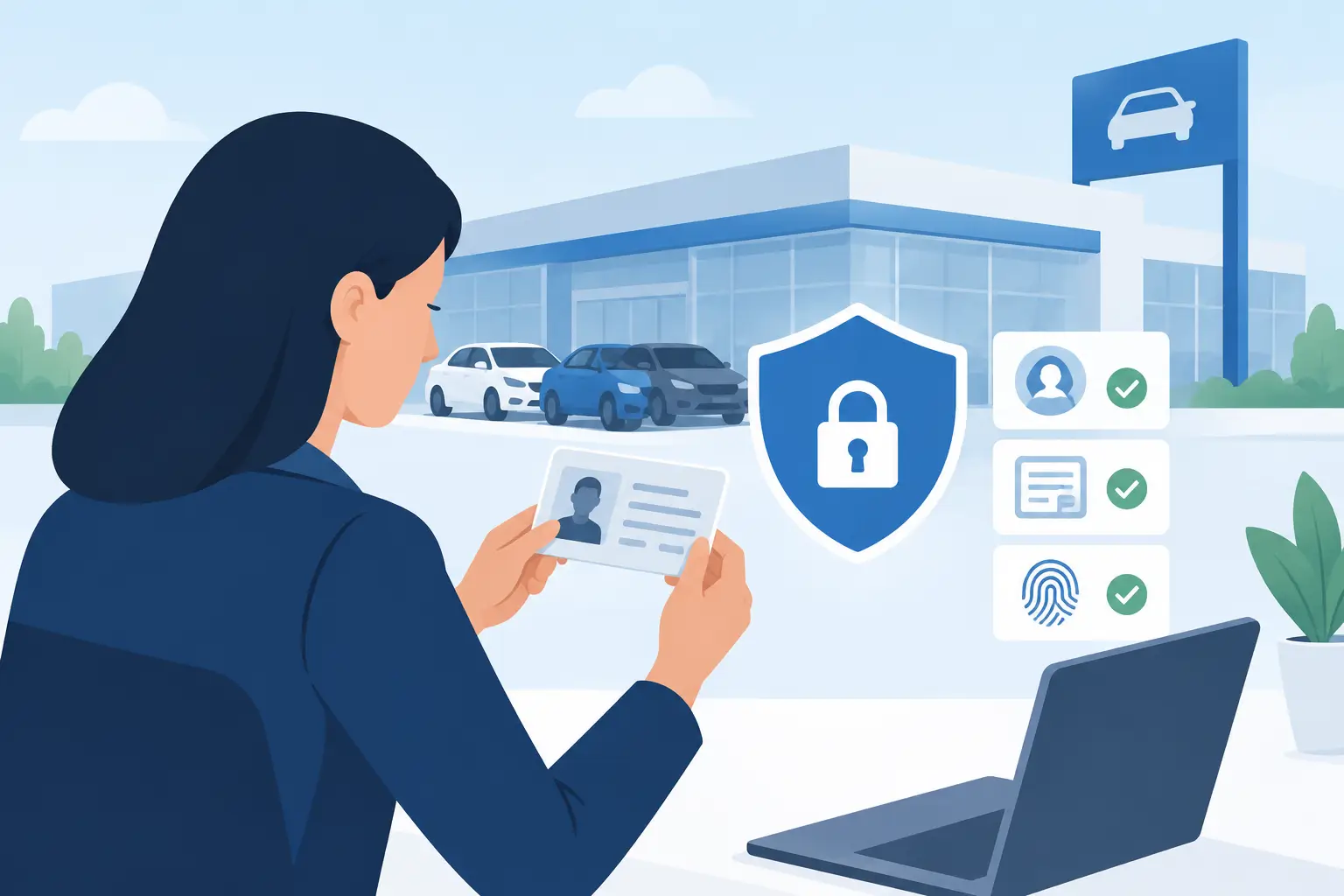
A barcode scan is one of the strongest operational controls available, but it must be used correctly. Scan the machine-readable zone and compare the returned data with the information printed on the front of the license. A mismatch between the displayed date of birth, name, license number, or expiration date and the barcode data is a major warning sign.
An altered card may have a legitimate barcode that still contains the original holder's information. For example, a visible birth date may have been changed while the encoded data still shows the person is underage. This is why staff should not simply scan for a green age result and move on. The scan should support the physical review, not replace it.
Quality ID-scanning hardware can also assess document characteristics and security indicators that are difficult to judge in a crowded entry line. That adds consistency, especially when new staff members are working a high-volume shift. A tool such as Kred can provide instant age verification and suspicious ID detection while continuing to operate when internet service is unavailable.
Still, technology has limits. A scan cannot resolve every question of identity, and it cannot make a poor staff decision acceptable. Train employees to escalate mismatches, unreadable barcodes, damaged cards, and any ID that does not match the presenter.
Ask questions only when the card raises concern
Questioning is useful after you identify a discrepancy, not as a substitute for inspection. Keep the interaction professional and brief. Ask the patron to state their date of birth without reading it from the card. If needed, ask for the address, ZIP code, or the license's expiration month and year.
Do not coach the answer by pointing to the information. A person using someone else's license or an altered document may hesitate, provide conflicting details, or become unusually focused on getting the card back. Nervousness alone is not proof of fraud, but it can reinforce a concern already created by physical or barcode inconsistencies.
Avoid confrontational language. Tell the patron that the ID cannot be accepted under your venue's verification policy. Staff do not need to accuse someone of using a fake or altered license at the door. A calm, consistent refusal protects employees and reduces the chance of an unnecessary confrontation.
Create a clear escalation procedure
Every shift should know who makes the final call when an ID is questionable. For a small bar, that may be the manager on duty. For a nightclub, dispensary, dealership, healthcare facility, or multi-site operation, it may be a security lead or compliance manager.
Your policy should state what staff do when an ID fails inspection: deny entry or service, document the incident when appropriate, notify the supervisor, and follow applicable local rules on whether the document may be retained. Laws vary by state and province, and an ID that looks suspicious is not automatically something your staff can confiscate. Build the policy around current legal guidance for your jurisdiction.
For repeat-risk management, record only the information your operation genuinely needs. A privacy-conscious system can support verification-only workflows, configurable retention periods, and restricted access to stored data. If your venue uses a banned-patron list, establish clear criteria, review procedures, and access controls so the list is useful without becoming careless or overbroad.
Train for speed, not shortcuts
The best screening program is fast because it is practiced. Staff should follow the same sequence every time: take the ID, compare the person to the photo, inspect the card, scan it, compare visible and encoded data, then escalate any concern. Repetition makes the process natural and prevents employees from skipping steps during a rush.
Use real-world practice during onboarding and refresher training. Show examples of damaged legitimate IDs alongside altered documents so staff learn the difference between ordinary wear and meaningful tampering. Review current license formats periodically, particularly before busy seasons, major events, or changes in local enforcement activity.
Managers should also track what happens at the door. If staff regularly encounter unreadable barcodes from one jurisdiction, repeated photo mismatches, or patterns around certain nights, adjust training and equipment placement. Screening data should improve operations, not sit unused in a report.
A well-run door does not need to debate every questionable card. It needs a consistent standard: if the photo, physical document, and machine-readable data do not line up, the ID does not clear. That standard protects your license, your staff, and the customers who expect your venue to take access control seriously.